
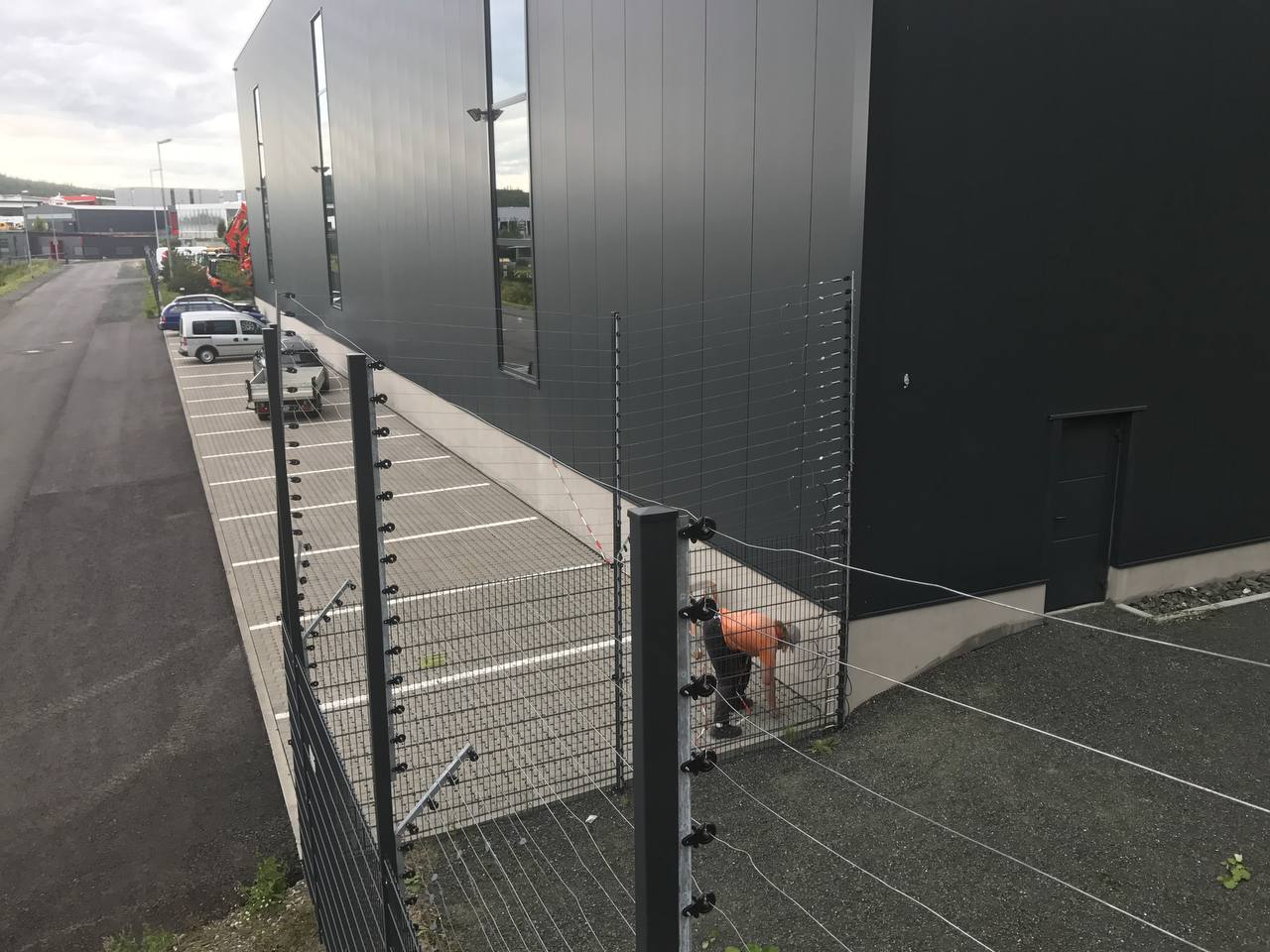
Safeguarding an industrial plant
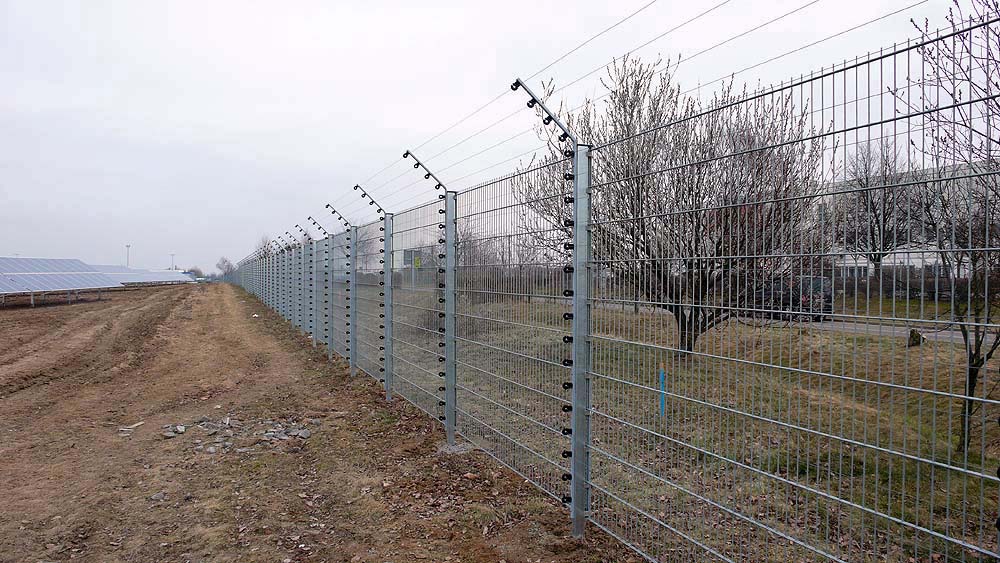
rotec power fence with double rod mesh
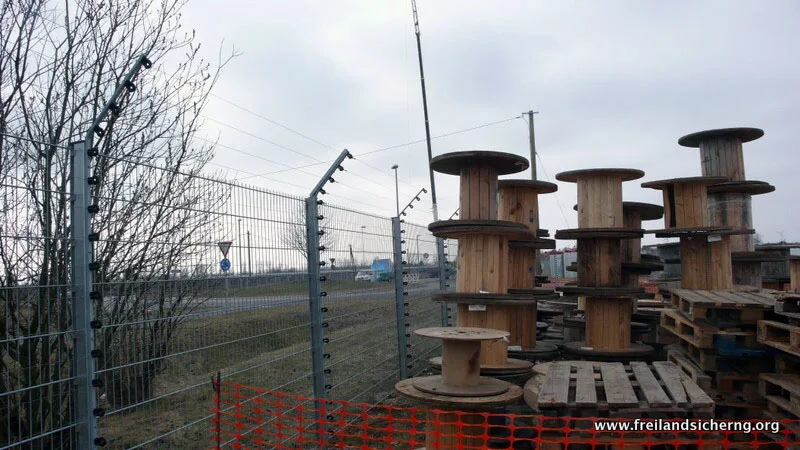
Outdoor protection cable store
Outdoor protection of a cable warehouse with double rod mats and power fence
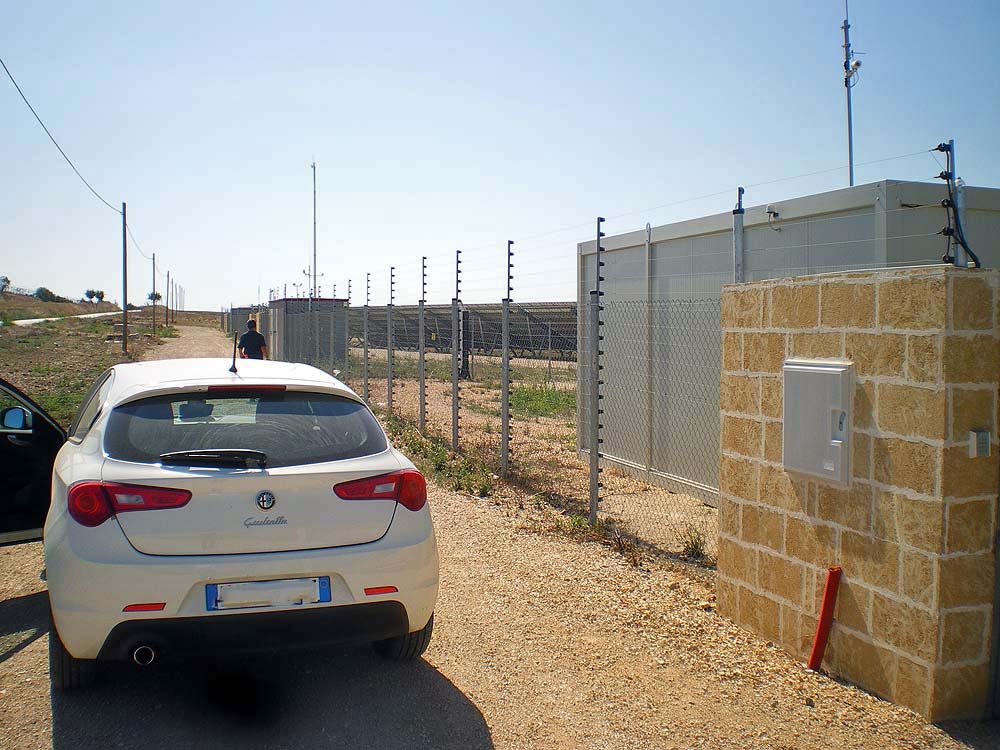
Solarpark_Freilandsicherung
APS power fence protection for a solar park in Italy
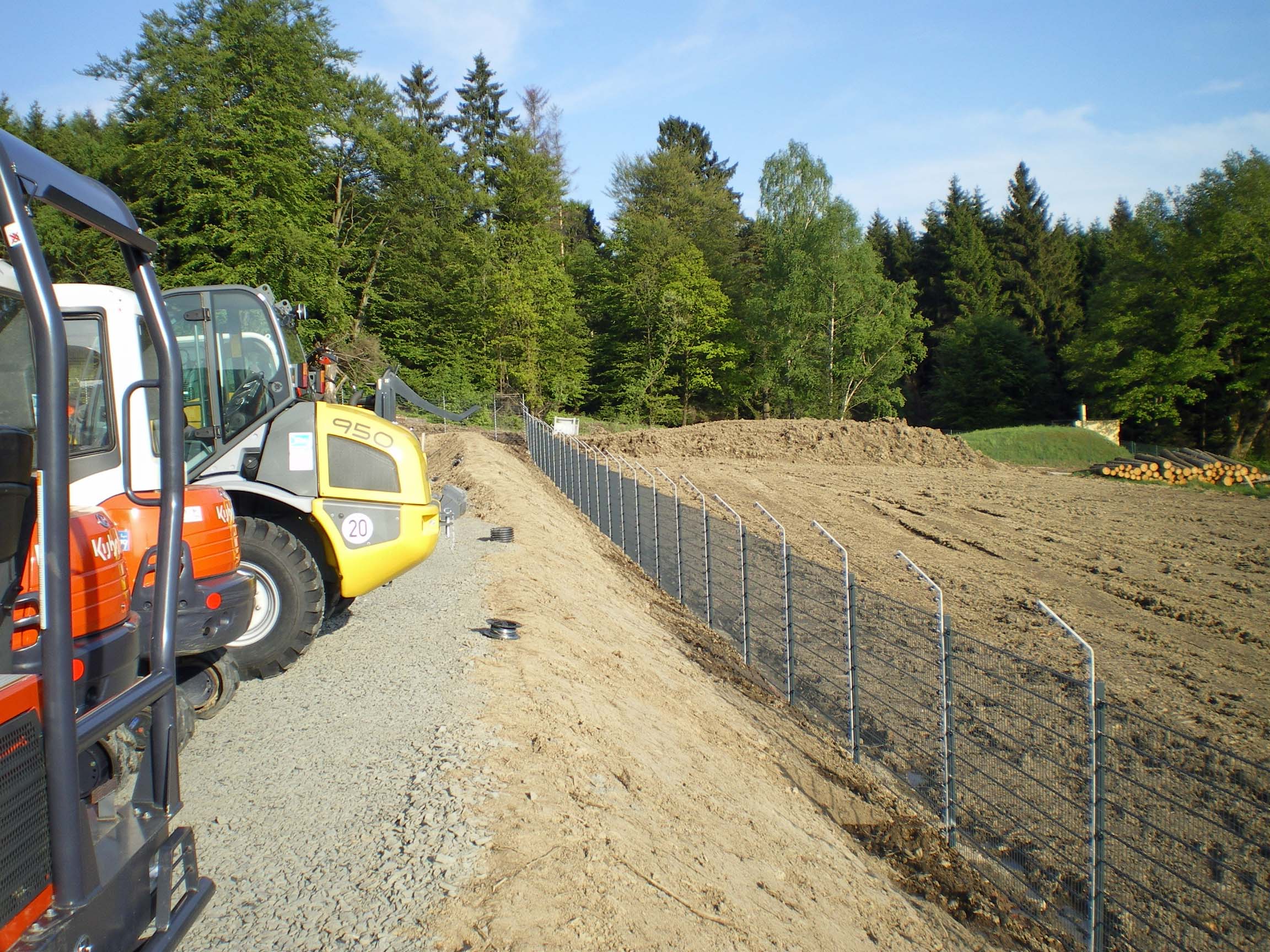
Security fence perimeter protection
Securing a machine park with a power fence
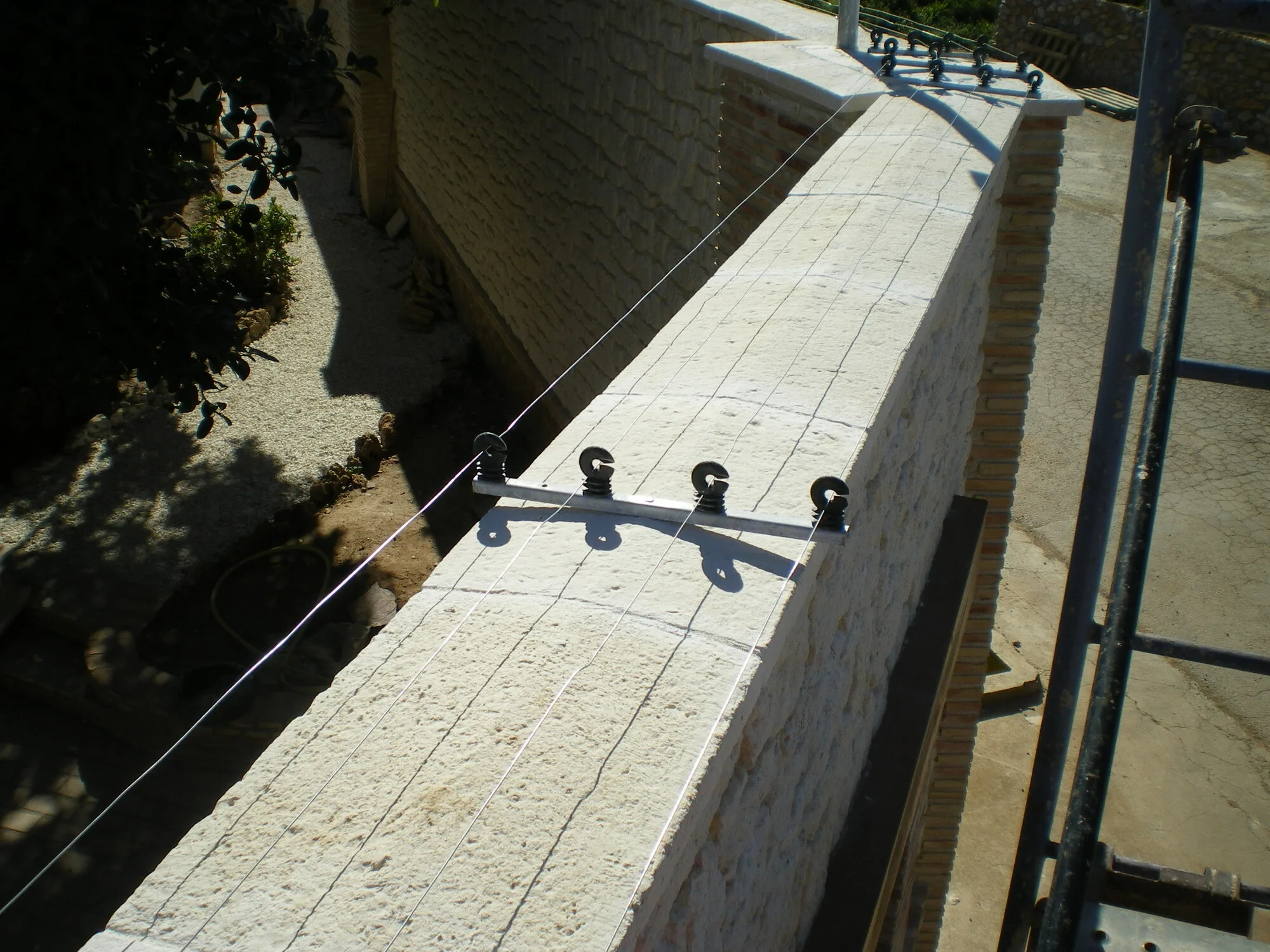
Climb-over protection
Climb-over protection with electric fence on the wall of a factory in Spain
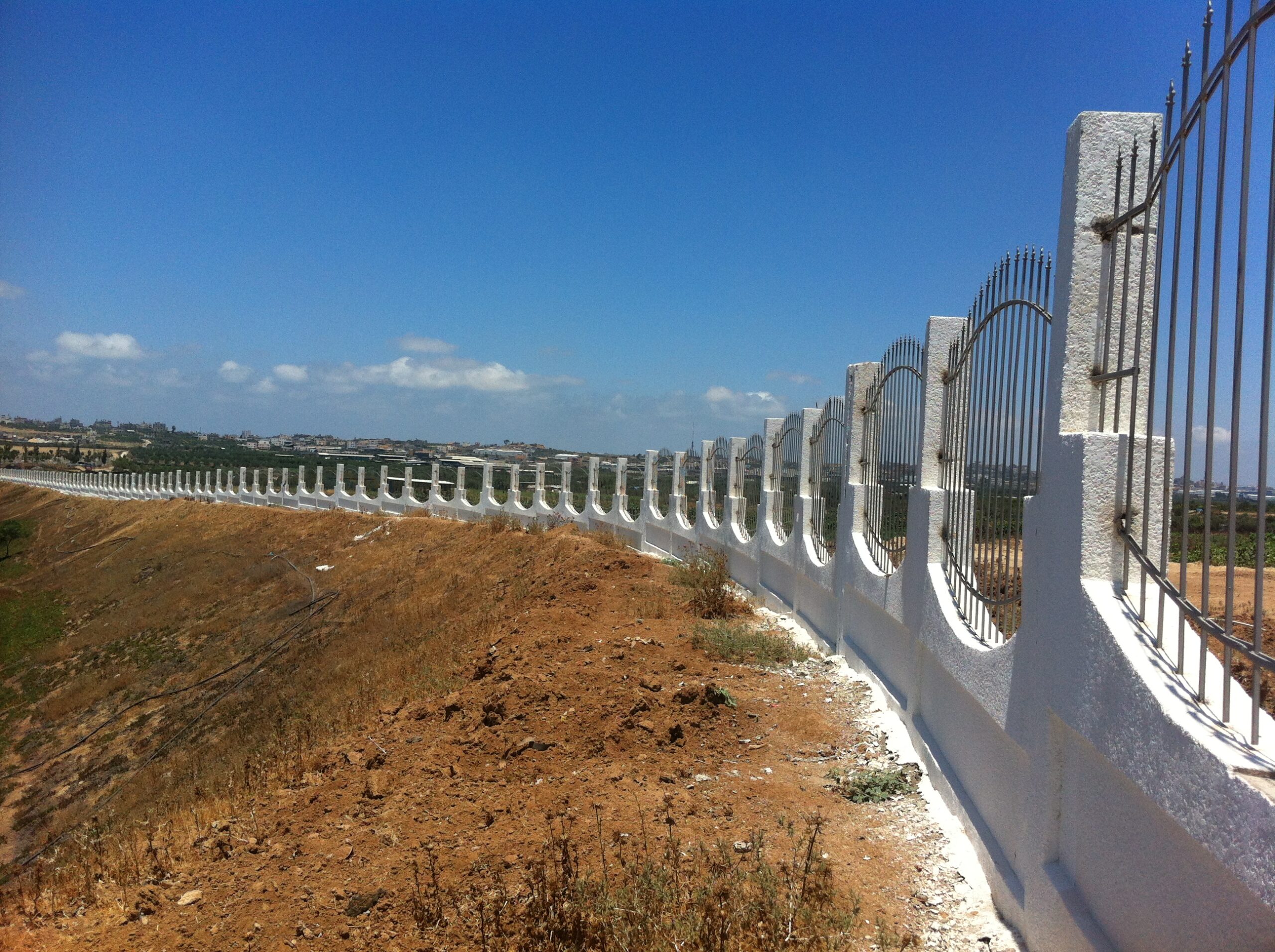
Power fence protection for Gaza sewage treatment plant
Securing the sewage treatment plant in the city of Gaza
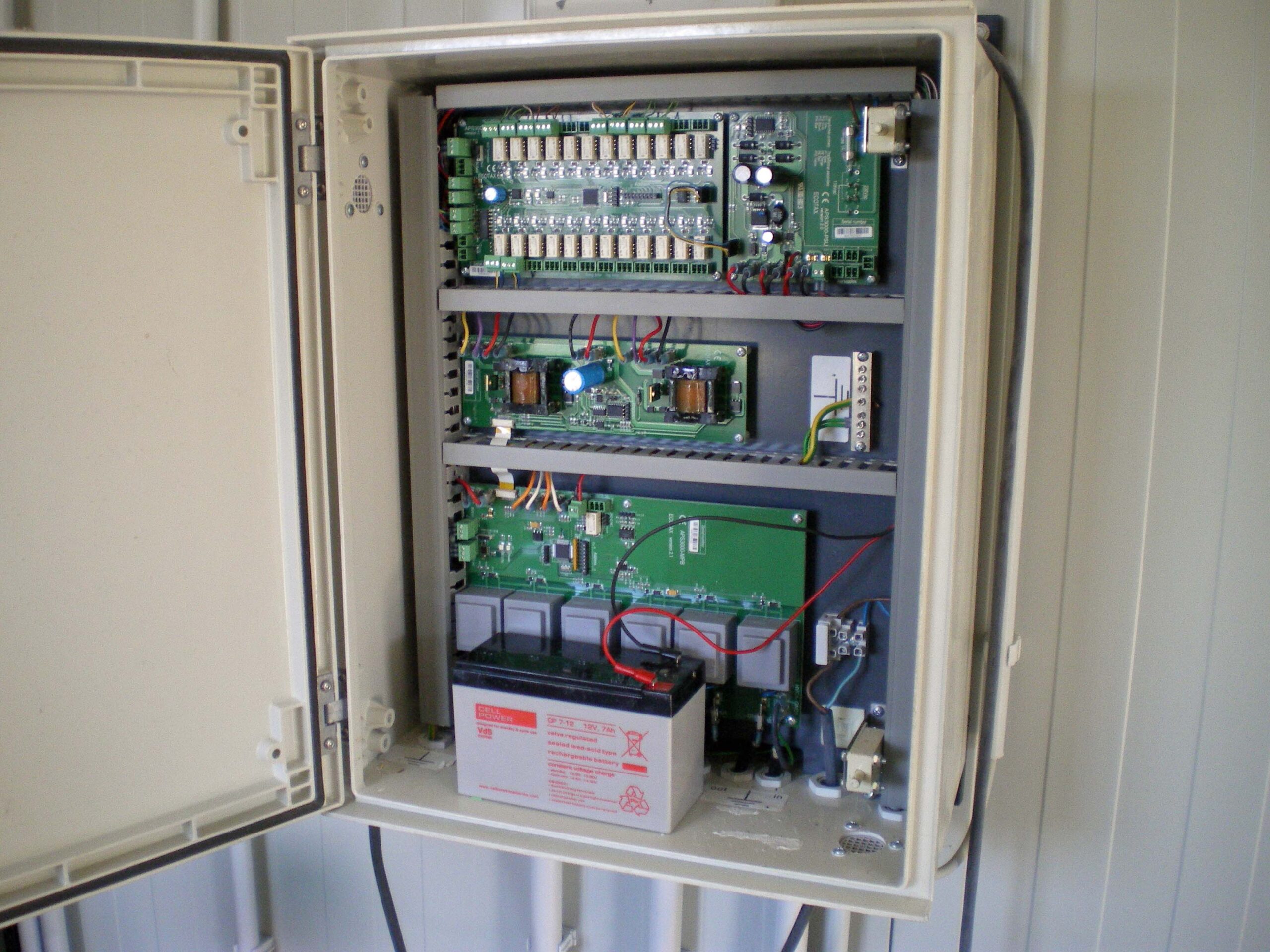
Power fence control unit
APS power fence control unit for securing a solar park
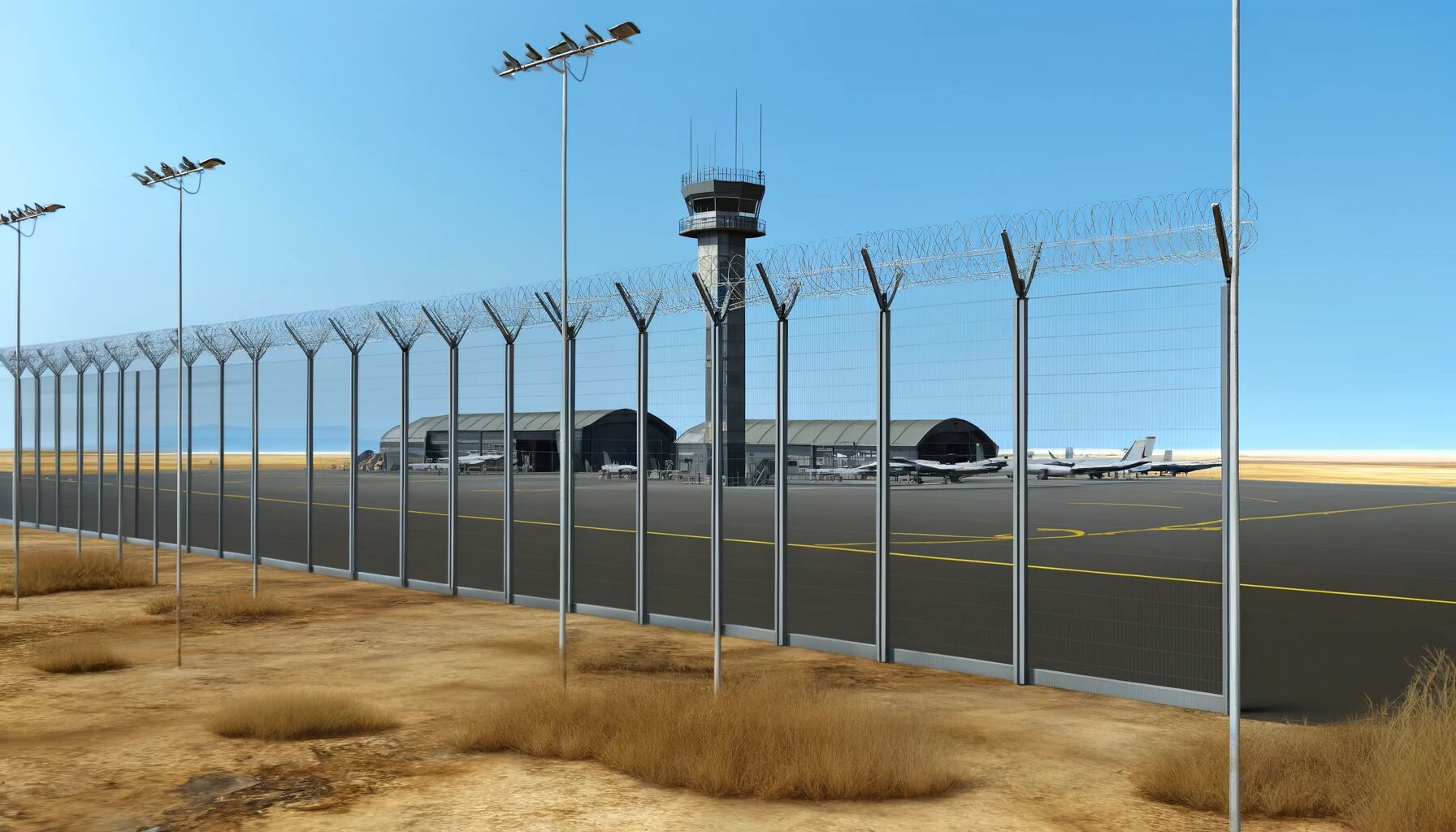
High security fencing for airports
We supply high-security fencing for military facilities, power stations and police stations. These images are subject to confidentiality. For information, please contact the author.
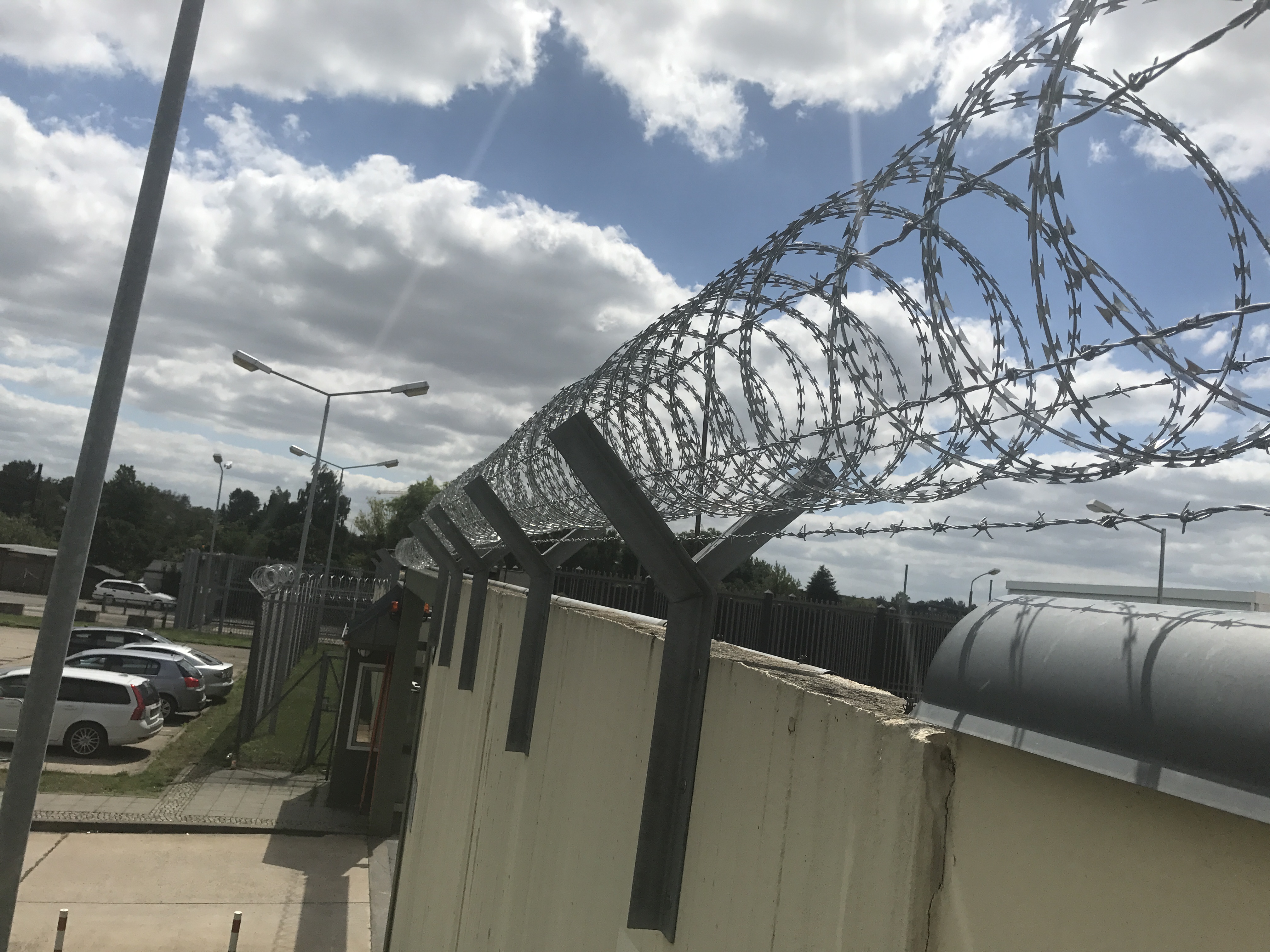
NATO wire with Y-bracket
NATO wire as a climbing barrier on a wall
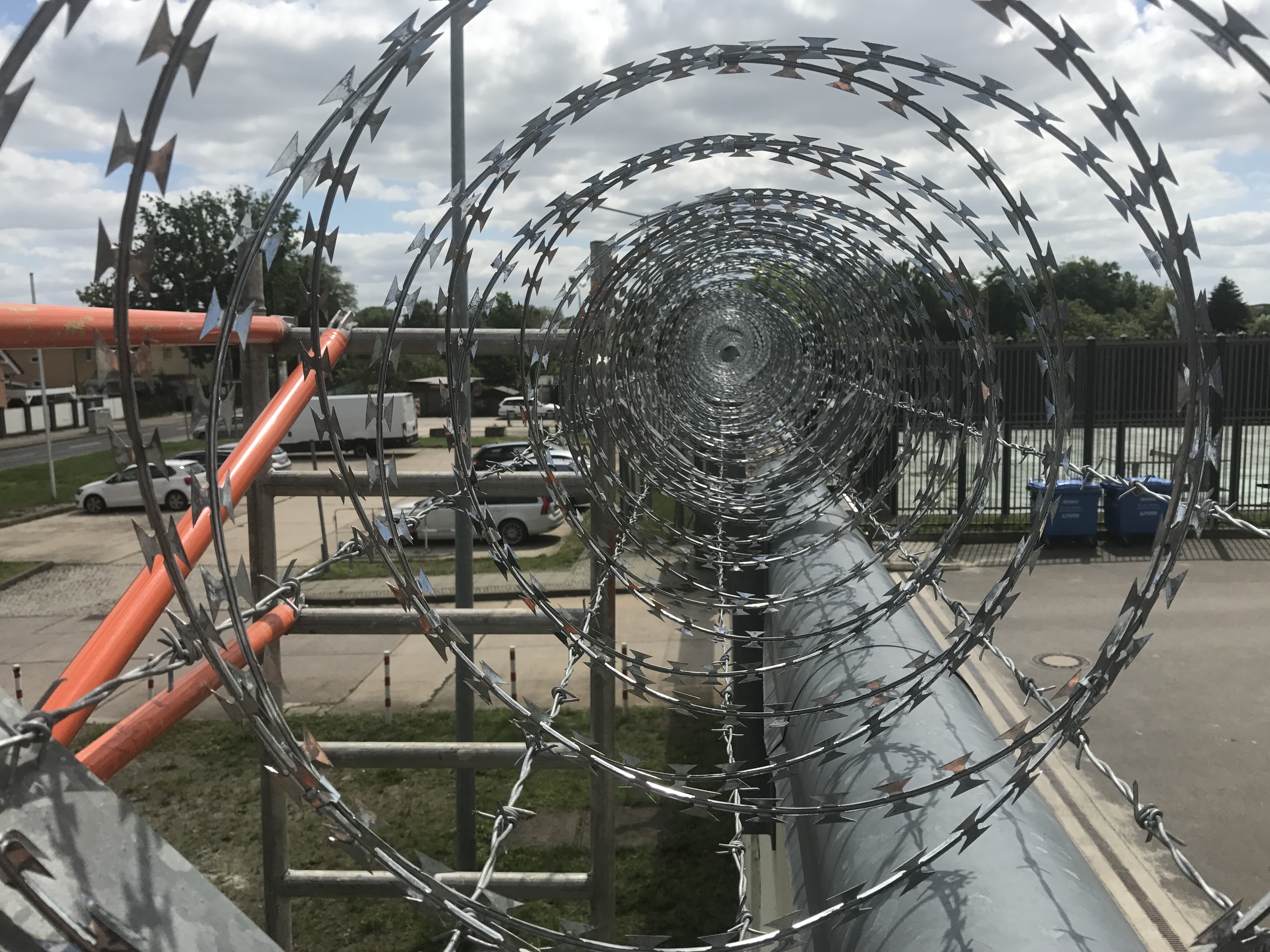
NATO Wire 2026: Installing NATO Wire on a Wall Using Y-Brackets
nato-draht-natodrahtrolle-y-traeger-mauer-uebersteigschutz.jpg
High-Security Fence (2026) Security Fencing and Perimeter Security for Industrial Sites with rotec
A High security fence For many industrial sites, this is a crucial component of outdoor security. This is because valuable assets are often located outdoors, and attacks frequently occur at night. That is why perimeter protection is needed that both deters intruders and triggers alarms. This is exactly where rotec’s security fences and high-security fences come into play.
In this article, you’ll find clear definitions and guidance to help you make decisions. You’ll also find practical tips on planning, installation, and operation. Additionally, we’ll discuss the rotec electric fence APS, as it combines detection and deterrence. You’ll also find information on gates, doors, and anti-climb protection. This text is intended for industry professionals, operators, planners, architects, and security managers.
Summary: Outdoor security begins at the perimeter, because that is where intruders start. A security fence provides structure and clearly defines access points. A high-security fence complements this by detecting attacks and triggering alarms. For the aps electric fence, rotec describes daytime operation in the low-voltage range and nighttime operation with high-voltage pulses of up to 9,000 volts. At the same time, rotec specifies a current limit of 35 mA and 5 joules of shock energy at 50 pulses per minute. This creates a powerful deterrent, while the fence remains designed as an integrated system. As a result, perimeter protection becomes measurably effective in everyday situations because perpetrators lose time and responses are initiated more quickly.
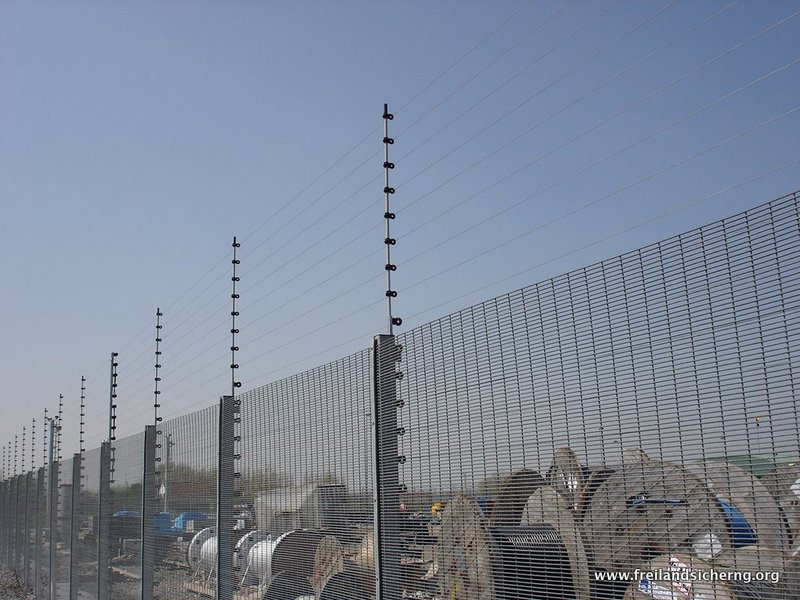
High-Security Fencing and Security Fencing: Open-Area and Site Security for Industry
Outdoor security involves protecting outdoor areas against unauthorized access, theft, and sabotage. This includes the entire perimeter—that is, the fence line, gates, and access points. A Security fence is often the foundation because it clearly delineates areas and consolidates access points. A High security fence This becomes important when the risk and target value increase, and when locations are unoccupied at night.
rotec describes typical applications involving precious metals, copper cables, copper shavings, stainless steel, and brass scrap in outdoor settings. In this context, rotec cites car repair shops, vehicle depots, recycling centers, and storage yards. Therefore, the decision between a security fence and a high-security fence is not a matter of gut feeling. It depends on the attack scenario, response time, and operational procedures.
Rotec also explains that the Stromzaun APS system detects attempted break-ins and forwards signals to an alarm system, security guards, or a GSM module. According to Rotec, the system operates at low voltage during the day and is therefore imperceptible. At night, it switches to high voltage—Rotec specifies up to 9,000 volts. This creates an active perimeter security system once the alarm chain has been configured.
High-Security Fence: Definition and Benefits
A High security fence is a perimeter solution for high-risk situations, combining a physical barrier, detection, and deterrence. rotec describes the high-security fence, as part of the stromzaun aps system, as a solution that detects intrusion attempts and can trigger an alarm. This not only prevents intrusions but also responds to them. This is particularly relevant when staff are not on site at night.
Rotec states that the technology is based on high-voltage pulses of up to 9,000 volts. At the same time, Rotec specifies a current limit of 35 mA and a shock energy of 5 joules, compared to the legal limit of 7 joules. In addition, rotec specifies a pulse frequency of 50 pulses per minute. According to rotec, this combination is designed to serve as a strong deterrent while remaining safe.
How does a high-security fence with 9,000 volts work in practice?
rotec describes the principle as pulsating high-voltage pulses that are active at night. According to Rotec, anyone who touches the system receives a noticeable shock and is pushed back. At the same time, an alarm is triggered by the detection system, provided the system is properly integrated. During the day, according to Rotec, the system operates at low voltage and is therefore harmless and imperceptible.
Why does a high-security fence need a clear alarm chain?
A high-security fence is more effective when the alarm system is not only technically in place but also supported by organizational measures. Therefore, it must be clear who is notified and who responds. Rotec specifies the alarm system, security guards, or a GSM module as the recipients. Without a clear response, even the best perimeter protection remains incomplete. With a clear chain of command, perpetrators lose time, and the risk increases.
In addition to a high-security mechanical fence, sensor-based fence monitoring can be a useful option. Especially for existing fences, barbed wire, and long perimeters, rotec APS Flexiguard provides active alarm detection along the fence. Read more in the technical article Retrofit Fence Monitoring with rotec APS Flexiguard.
What does "detects, reports, and fights back" mean at rotec?
rotec uses this term in the context of the electric fence system. It refers to the combination of detection, notification, and deterrence. rotec cites 5,000 or 9,000 volts as the shock effect. It is important that the system be designed as a security chain, not just as a fence line. This allows attacks to be detected earlier and reported more quickly.
Security Fence: Definition and Benefits
A Security fence is a fencing system that defines the layout of the site and directs traffic flow. It is particularly effective when gates and access points are carefully planned. A security fence can also serve as the foundation for adding subsequent layers of site security. That is precisely why it is the first step in many projects.
Rotec explains that the Stromzaun APS system can be adapted to various types of fencing. Rotec specifically mentions double-bar fencing, chain-link fencing, and portable construction fences. This often makes it possible to retrofit an existing security fence. This is important because it allows investments to be planned in stages.
When is a security fence sufficient as a burglary-proof fence?
A security fence is often sufficient when security requirements are moderate and response times are short. In such cases, a sturdy construction, clear gate logic, and well-defined access rules are key. In addition, the design must be compatible with shift operations and delivery traffic. When security levels are high or when sites are unmanned, a high-security fence is often a more sensible choice.
Security Fence vs. High-Security Fence: A Decision-Making Guide with Clear Criteria
The decision between a security fence and a high-security fence can be made successfully if the criteria are carefully evaluated. These include risk, terrain, attack scenarios, integration, operation, and maintenance. After all, a perimeter security system must fit into everyday life; otherwise, it will be circumvented. That is why a brief risk analysis is the most important starting point.
- Risk and Target Value: High target values outdoors call for high-security fencing and detection systems.
- Site and Use: A large number of gates and deliveries place greater demands on gate logic and processes.
- Attack scenario: Overclimbing, cutting, and sabotage require coordinated countermeasures.
- Integration: The alarm chain, control center, and responsibilities must be defined.
- Operation: Daytime and nighttime operations must be tailored to the staff and the facility's use.
- Maintenance: Vegetation, contact with animals, and the weather all affect outdoor facilities, which require regular maintenance.
Security fence or high-security fence—which one is right for my risk level?
If your property is active at night, a security fence with a well-designed gate system is often sufficient. If your property is empty at night, the risk increases significantly. In that case, a high-security fence with detection and deterrence features becomes more important. rotec describes a system that operates on high voltage at night and on low voltage during the day. This allows the system to run normally during the day, while providing enhanced protection at night.
What role does response time play in the decision-making process?
Response time determines whether an alarm is effective. When response times are long, intruders must be deterred earlier. A high-security fence can help with this because it acts as both a deterrent and an alarm system. A security fence is more effective when it is part of an overall security plan. Therefore, operators should document processes and responsibilities in writing.
Applications: B2B Examples of Security Fences and High-Security Fences
Security fencing and high-security fencing are relevant in many industrial sectors. rotec cites, among others, car service centers, vehicle depots, recycling centers, and storage yards. rotec also provides examples of solar parks, including facilities in Europe. In addition, rotec addresses power transmission towers and critical infrastructure, as attacks on these sites can have serious consequences. For this reason, outdoor security is a key concern for operators and government agencies.
- Open-air storage facility for copper cables, precious metals, and valuable materials
- Recycling centers and scrap yards that are prime targets for theft
- Solar Farms and Wind Farms at Risk of Cable Theft
- Industrial parks and depots with long perimeter fences
- Power poles and critical infrastructure at risk of sabotage
- High-security areas such as airports and government agencies, depending on the project
How can I effectively prevent cable theft at a solar farm?
rotec cites specific individual cases from 2025 in which material values of 25,000 euros and 100,000 euros are mentioned. In addition, six-figure damages are cited, as well as higher repair costs. rotec also explains that repairs are often more expensive than the cable itself because testing and reconstruction take time. Consequently, perimeter protection must be actively planned, and the alarm chain must function properly. A high-security fence with detection capabilities can be a crucial component here.
Planning and Bidding: Guidelines for Architects and Planners
Planning begins with the user profile and by assessing risk and target values. Next, fence lines, gates, doors, and access points are defined. Next, the alarm chain is defined, and interfaces are documented. For the stromzaun aps, rotec describes how signals are forwarded to the alarm system, security personnel, or GSM module. It is precisely this interface that must be included in every request for proposals.
Technical specifications are helpful when planning a high-security fence. rotec specifies high-voltage pulses of up to 9,000 volts, a current limit of 35 mA, and 5 joules of shock energy. rotec also specifies 50 pulses per minute, as well as guidelines for lightning protection on the electric wire. When such details are clearly specified in the contract, acceptance and operation become easier.
What technical specifications should I include in the request for proposals?
First, list the operating modes for day and night so that usage is clear. Then include the key technical specifications provided by rotec, including 9,000 volts, 35 mA, and 5 joules. Also include the pulse frequency, which rotec specifies as 50 pulses per minute. Don’t forget the lightning protection note, because rotec states that it is a legal requirement. Finally, include the alarm forwarding feature so that the control center or service provider is integrated.
Installation Throughout Europe: Process and Interfaces with rotec
rotec manufactures in Berlin and is a manufacturer of security fencing and high-security fencing. In addition, rotec offers planning, manufacturing, and installation all under one roof. Furthermore, rotec carries out projects throughout Europe and showcases reference projects across the continent. This is important for industry because sites are often spread out internationally. That is why clear processes and clear interfaces are essential.
rotec describes how the electric wire is installed inside the fence. The electric wire and the fence are insulated from each other, and the fence is not electrified. Brackets are mounted on posts; they are galvanized and available in a variety of colors. rotec also features patented tension springs that compensate for expansion and contraction. This ensures that the wire remains properly tensioned at all times.
How are gates and doors integrated into security fences and high-security fences?
rotec describes specialized solutions for gates and doors designed to detect and prevent break-in attempts. rotec identifies three protection types for gates, and the choice depends on the intended use. There is a serial version that triggers a signal every time the gate is opened. There is a combined version that sounds an alarm at night but remains usable during the day. There is also a parallel version that does not trigger an alarm when opened.
Operation, Maintenance, Service Life: Common Sources of Malfunctions and Countermeasures
Outdoor installations are constantly exposed to the elements and environmental factors, and this applies to both security fences and high-security fences. When it comes to protecting critical infrastructure, rotec emphasizes robust construction and durability. At the same time, rotec identifies typical causes of false alarms with the aps electric fence. These include contact with the electric wire, contact with plants, contact with animals, fence vibrations, and varying weather conditions. That is why clear operating procedures are necessary.
rotec describes an alarm relay that triggers as soon as the high voltage drops below the rated value. rotec refers to this additional device as a “pre-alarm” and cites vegetation as an example. rotec also describes a backup battery that enables autonomous operation in the event of a power outage. According to rotec, in the event of a power outage, the system automatically switches to low-voltage operation. This ensures that detection remains possible and operation becomes more stable.
How can I prevent false alarms at the fence in everyday life?
Plan for vegetation maintenance, as contact with plants can cause a drop in voltage. Check mountings and tension, as vibrations can cause malfunctions. Define responsibilities so that pre-alarms are used as maintenance signals. For large systems, implement zoning to help locate events more quickly. This reduces false alarms and increases acceptance.
Common Mistakes and How to Avoid Them
Errors usually aren't caused by technical issues, but rather by a lack of planning and processes. That's why it's worth having a short checklist that proves helpful time and again in projects. These points apply to security fencing, and they apply just as much to high-security fencing. If you follow them, your perimeter security will remain reliable in day-to-day operations.
- Error: There is no clear chain of command, and no one is responding. Countermeasure: Define responsibilities and test processes.
- Error: Gates are vulnerabilities, and using them is not consistent with protection mode. Countermeasure: Define gate logic according to rotec variants.
- Error: Vegetation is underestimated, and this leads to disturbances. Countermeasure: Care plan, and use the pre-alarm as a reminder.
- Error: Lack of lightning protection on the electrical wire. Countermeasure: Include mandatory lightning protection in the design.
- Error: Operation and maintenance are not documented. Countermeasure: Routines, protocols, and clear points of contact.
Checklist: Steps from Risk Analysis to Ongoing Operations
- Survey the site and document the perimeter, gates, and access points.
- Evaluate target values and define attack scenarios.
- Decide whether a security fence or a high-security fence is the right level of security.
- Establish an alarm chain and clarify the interfaces with the control center or service provider.
- For high-security fencing, incorporate rotec's design parameters into the planning, including lightning protection.
- Coordinate the installation process and define operating modes for day and night.
- Perform the commissioning and test the alarm forwarding.
- Perform routine maintenance, and regularly inspect vegetation, mountings, and gates.
Real-world example: Outdoor security measures against cable theft, without made-up metrics
A solar park operator has long stretches of fencing, and no one is on site at night. At the same time, the copper cables and equipment on the premises are an attractive target. rotec cites specific cases in which the value of stolen materials ranged from 25,000 euros to 100,000 euros. rotec also cites cases involving six-figure losses, as well as higher repair costs. Therefore, security measures become cost-effective when downtime is reduced.
In this scenario, a security fence serves as the foundation because it defines the perimeter. A high-security fence complements this by combining detection and deterrence. For the aps electric fence, rotec describes daytime operation in the low-voltage range and nighttime operation with high voltage up to 9,000 volts. In addition, rotec offers “pre-alarm” to detect voltage drops caused by vegetation. This makes operation predictable and allows for targeted maintenance.
Optional: Climb-over protection and high-security wire as add-ons for industrial fencing
Some locations also require a mechanical barrier at the top. rotec describes this as barbed wire, also known as razor wire, S-wire, blade wire, and barbed-hook wire. rotec describes the wire as high-security wire for prisons, military facilities, airports, industrial plants, and embassies. rotec also specifies a high-strength wire with a diameter of 2.5 mm, and blades made of galvanized sheet steel or stainless steel. This is a clear addition when climb-over protection is required.
rotec also specifies Y-brackets for installation, with a maximum spacing of 2.5 m. rotec recommends protective clothing such as gloves and a leather apron for installation. In addition, rotec specifies a minimum height of 2.0 m for installation on fences and wall crowns. Furthermore, rotec points out strict legal requirements and recommends consulting with local authorities. This is important because planning must be particularly careful in this regard.
Call to Action: Choose rotec Security Fencing and High-Security Fencing for a Durable Solution
If you’re planning perimeter security for industrial sites, start with a risk analysis and a clear alarm chain. Then choose the appropriate level of security—either a standard security fence or a high-security fence. rotec manufactures both types of fences and offers planning, manufacturing, and installation all under one roof. In addition, rotec implements projects throughout Europe, and you’ll receive a solution tailored to your operations. Use the following pages to get started, and contact rotec to discuss your project requirements.
- rotec Company Page
- rotec electric fence aps Technology
- rotec profishop, new store
- Outdoor Security with High-Security Fencing, rotec blog
- Preventing Cable Theft in Solar Parks, rotec blog
- NATO Wire as High-Security Wire, rotec blog
- Protecting Power Poles and Critical Infrastructure, rotec blog
- rotec info
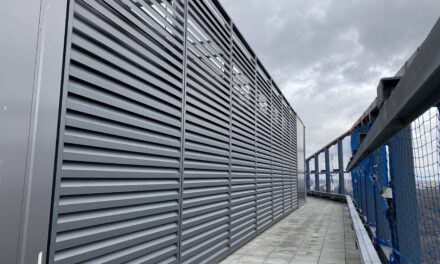
- Ventilation Grilles, Additional Building Topics
- Weather protection grilles, additional building topics
Note: The old store https://www.rotec-shop.eu is offline. The new store is https://www.rotec-profishop.de.
FAQ: Security Fences and High-Security Fences in Practice
What is the difference between a security fence and a high-security fence?
A security fence defines the perimeter and guides access points. A high-security fence complements this with detection capabilities and a stronger deterrent effect. Rotec describes the APS electric fence as operating at low voltage during the day and at high voltage at night. Therefore, the choice depends on the level of risk and the required response time.
Is the APS electric fence safe for people and animals?
rotec describes high voltage but low current, as well as pulsed operation. rotec specifies a limit of 35 mA and 50 pulses per minute. rotec also specifies a shock energy of 5 joules, compared to a legal limit of 7 joules. According to rotec, this is intended to eliminate the risk of injury.
Why isn't the fence electrified?
Rotec explains that the electric wire is installed inside the fence. The electric wire and the fence are insulated from each other. Therefore, the fence is not electrified. This is important for operational safety and workplace safety.
What happens if someone climbs over the electric fence?
"rotec" refers to a defined breaking strength of the electric fence wire. If the load exceeds 40 kg, the wire breaks and an alarm is triggered. This is designed to detect attempts to climb over the fence. Additionally, the electrical pulse acts as a deterrent during nighttime operation. For operators, the response of the alarm chain is what matters most.
What sources of interference does rotec cite during operation?
rotec cites contact with plants, contact with animals, and fence vibrations. rotec also cites weather conditions as a contributing factor. That is why maintenance and regular inspections are important. In addition, pre alarm can detect voltage drops and trigger maintenance early.
Which gate solution is the most practical for industrial use?
rotec describes three variants, and the choice depends on the application. In many industrial facilities, the combined variant is a good choice because it signals an alarm at night while remaining operational during the day. For emergency exits, the serial variant may be suitable because it signals every time the door is opened. It is important to have clear operating rules to ensure that the safety feature is not bypassed.
How does rotec help with critical infrastructure?
rotec describes attacks on power poles as a growing risk and cites sabotage as an example. rotec notes that it developed the “stromzaun” outdoor security system as early as 1995. rotec also mentions its use in the automotive industry, recycling centers, vulnerable industrial facilities, and the Federal Printing Office. This indicates a clear focus on the industrial sector.
Glossary: Terms for Open-Area Security and Perimeter Protection
- Outdoor Security: Protecting outdoor areas against unauthorized access, theft, and sabotage through technology and processes.
- Site Security: A comprehensive plan consisting of fencing, gates, rules, alarm systems, and response procedures for a company premises.
- Perimeter Protection: Protection of the property's outer boundary, including access points and interfaces with the alarm system.
- Alarm chain: A defined procedure for who is notified and how the intervention is organized.
- pre-alarm: Early warning in the event of a voltage drop, such as that caused by vegetation near the power line.
- Overclimb Protection: An additional barrier at the top of a fence, wall, or building to make it harder to climb over.
- Detection: Detect tampering or interruption so that an alarm can be triggered.
- Zoning: Organize into sections so that alerts can be clearly assigned and checked more quickly.



 EN
EN  DE
DE  ES
ES  FR
FR  IT
IT  NL
NL  PL
PL  TR
TR
0 Comments