
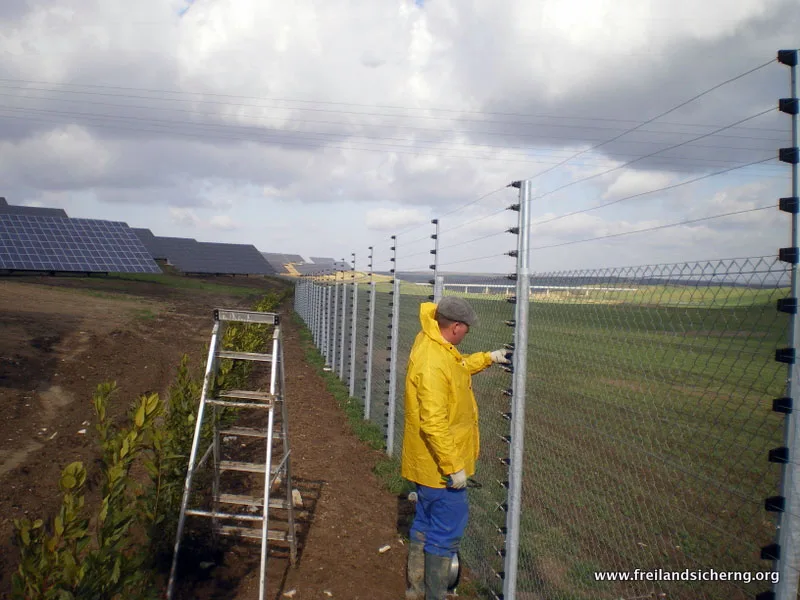
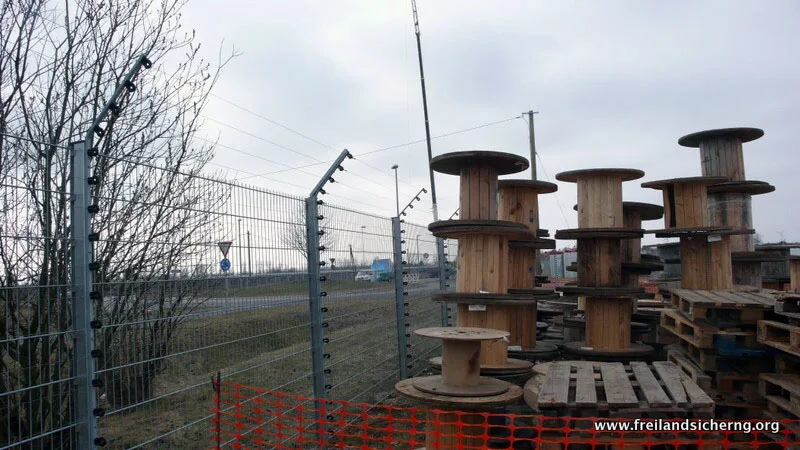
Outdoor protection cable store
Outdoor protection of a cable warehouse with double rod mats and power fence
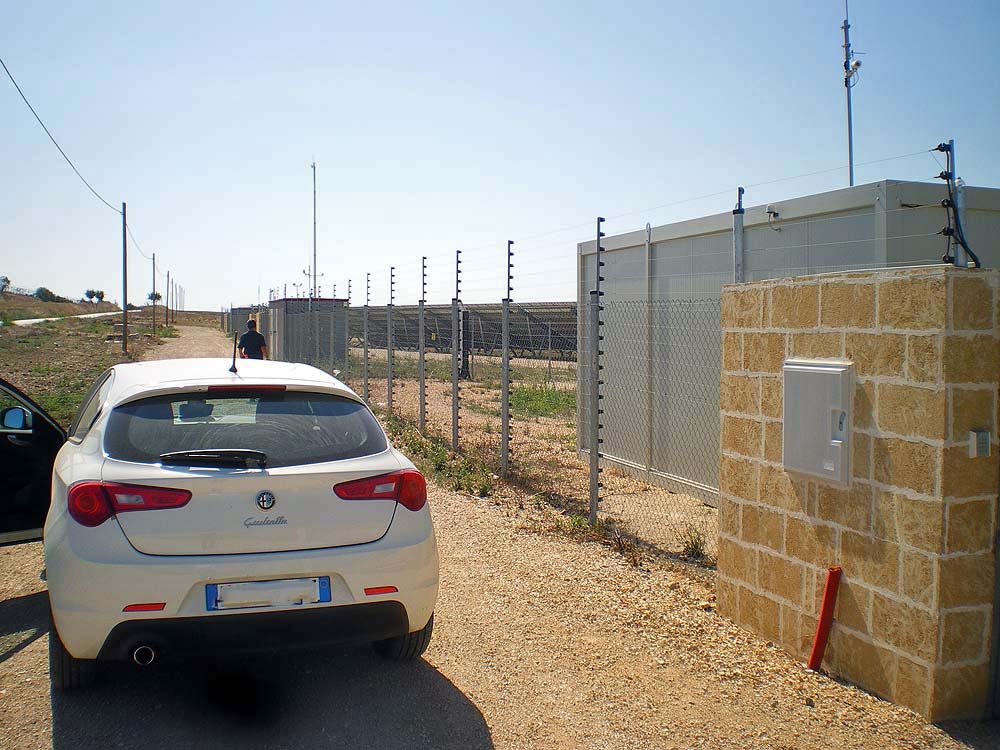
Solarpark_Freilandsicherung
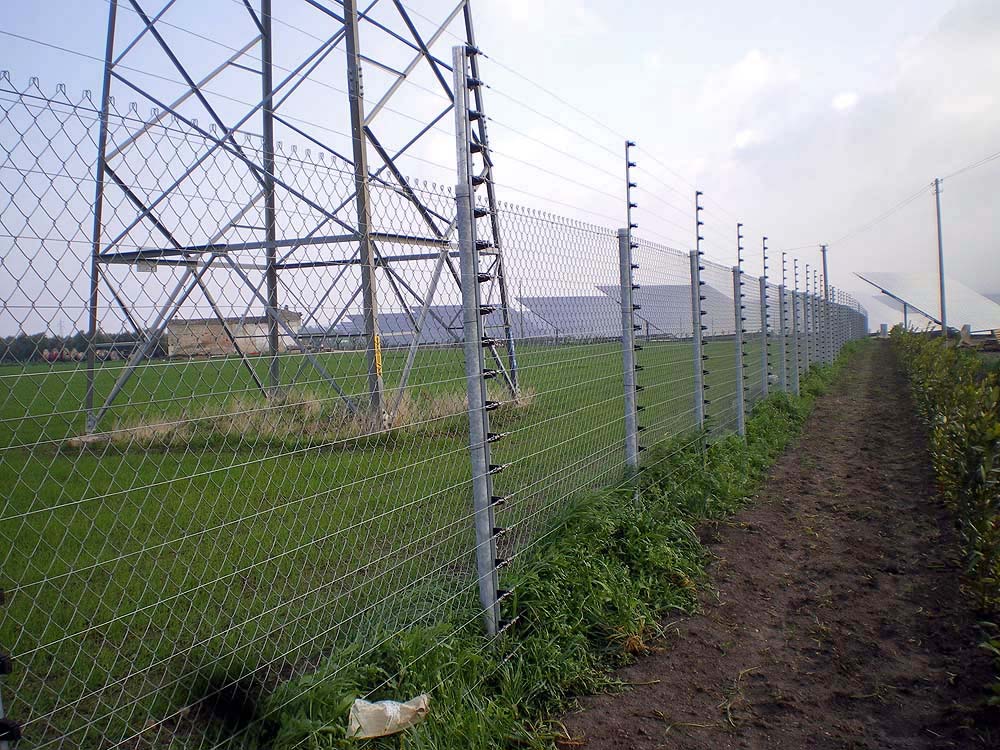
APS power fence protection for a solar park in Italy
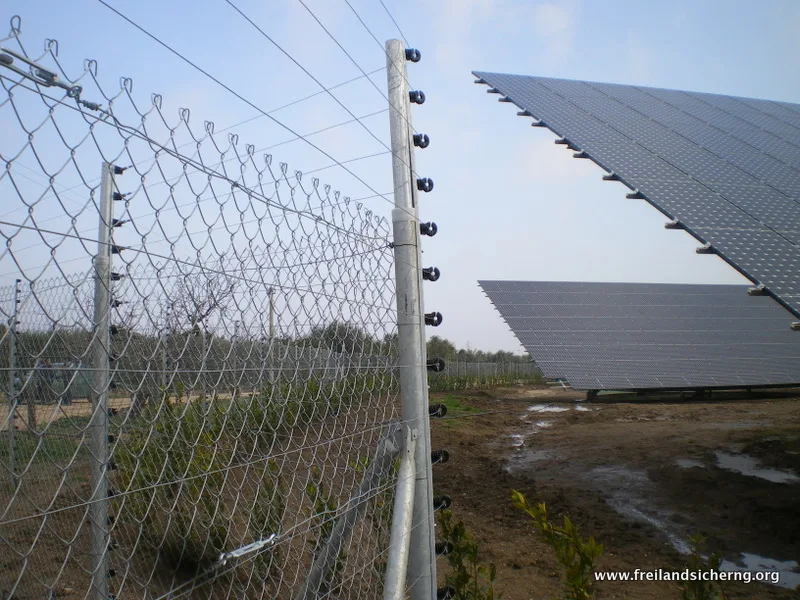
Power fence protection for a solar park
APS power fence protection for a solar park in Italy
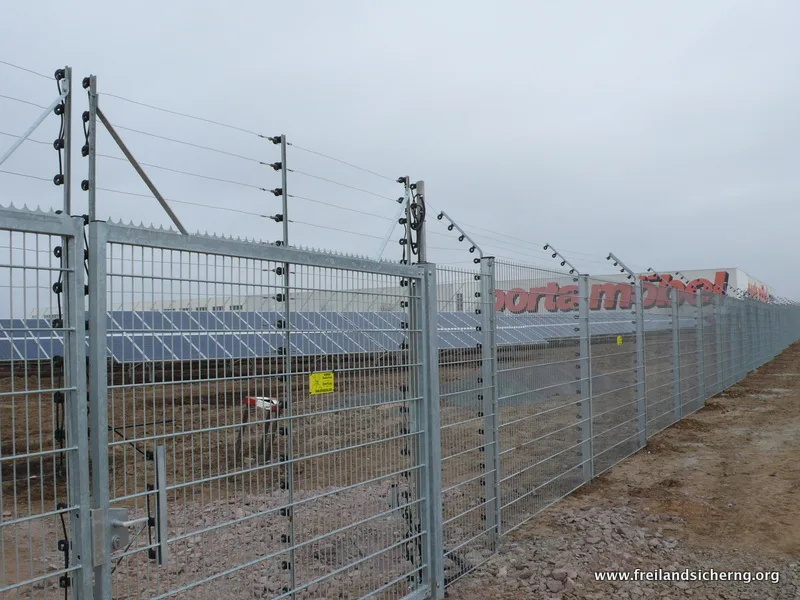
Gate system
Securing a gate system with a power fence
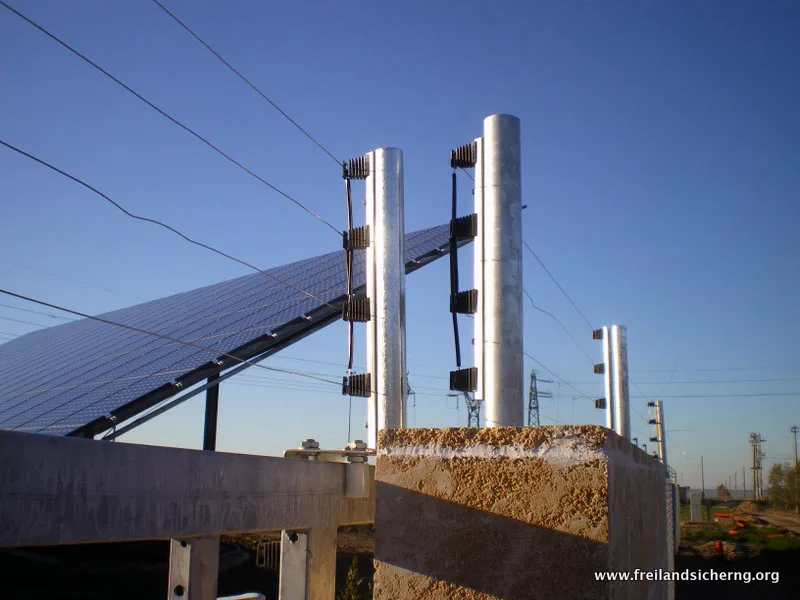
Electricity fence
Climb-over protection with electric fence on a wall
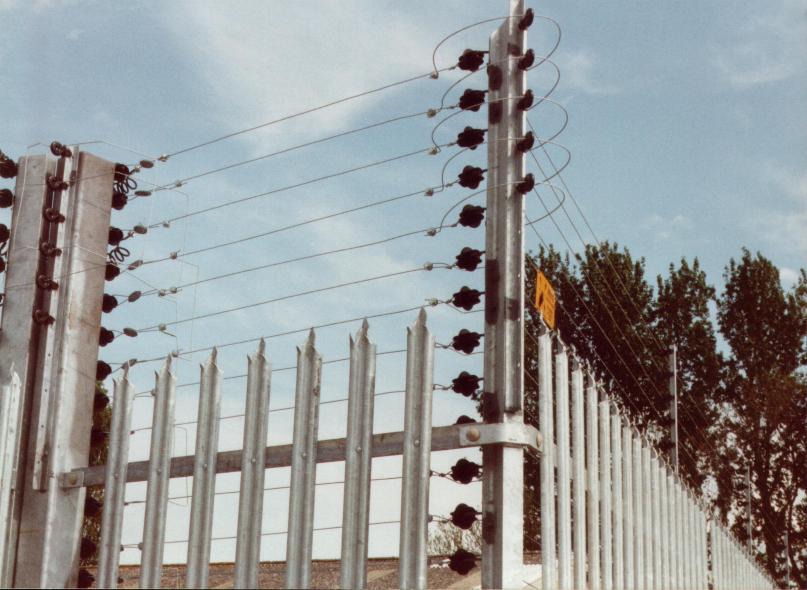
High security fence with APS electric fence from rotec
APS power fence for securing an industrial area
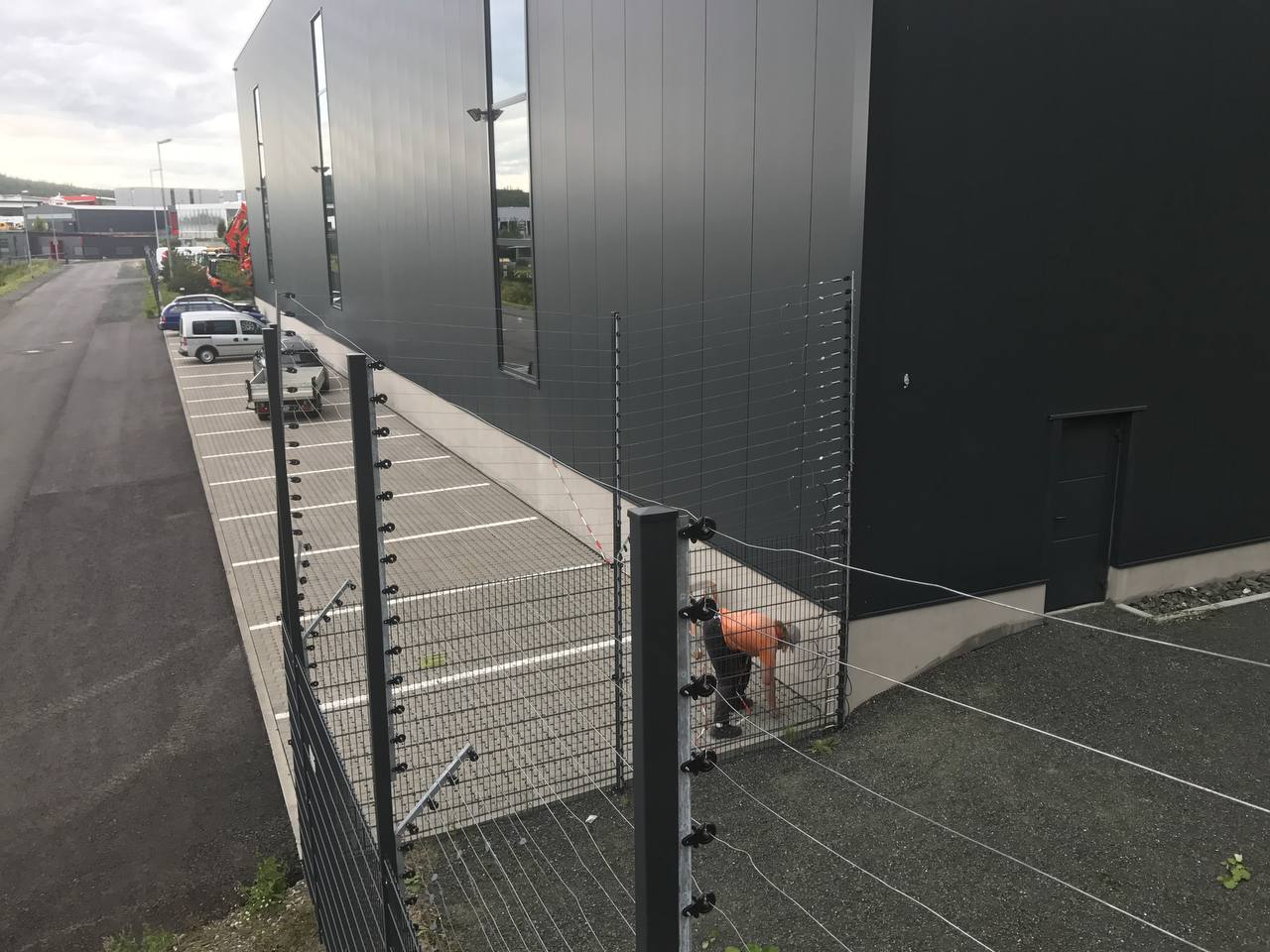
Safeguarding an industrial plant
rotec power fence with double rod mesh
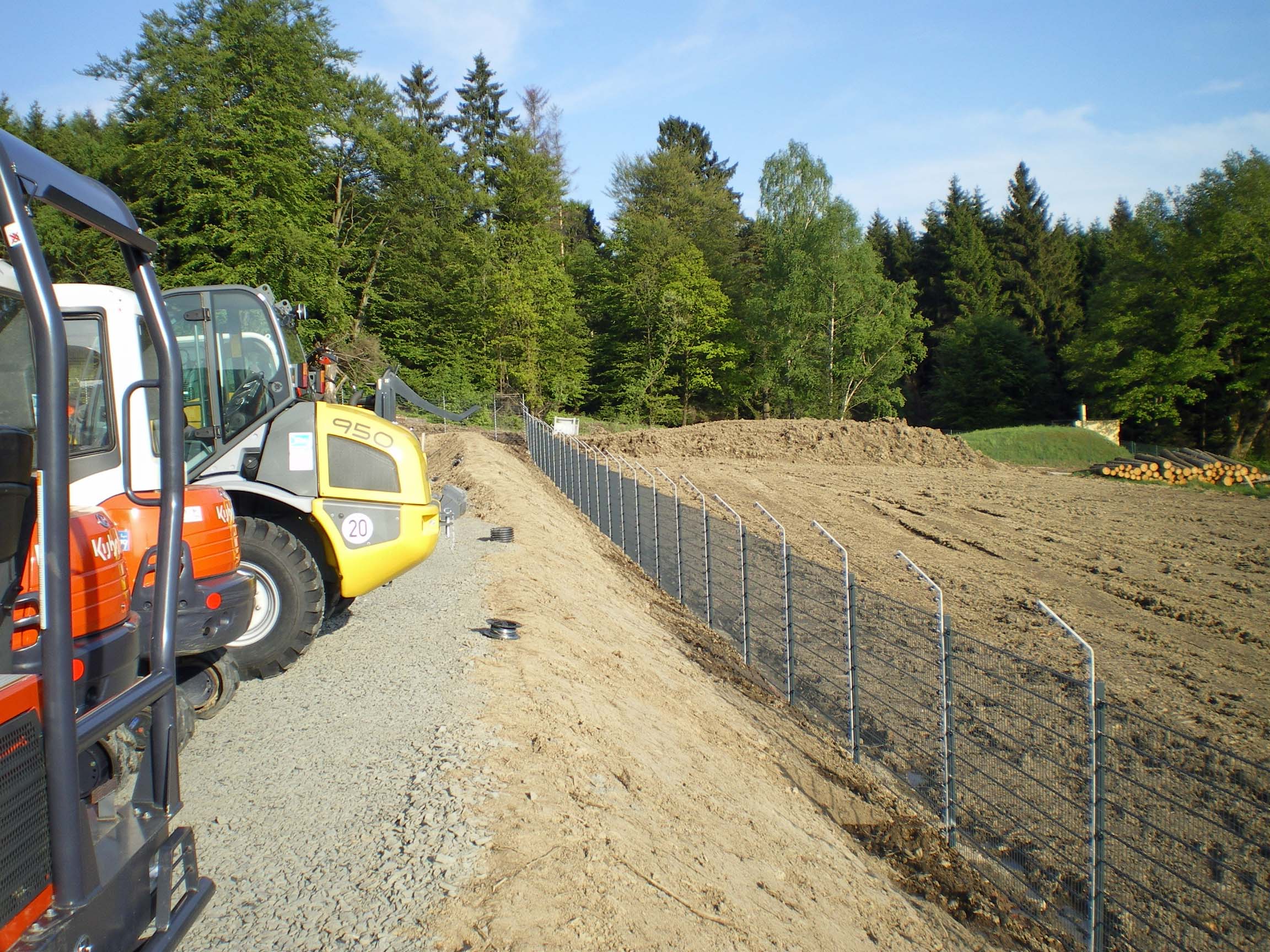
Security fence perimeter protection
Securing a machine park with a power fence
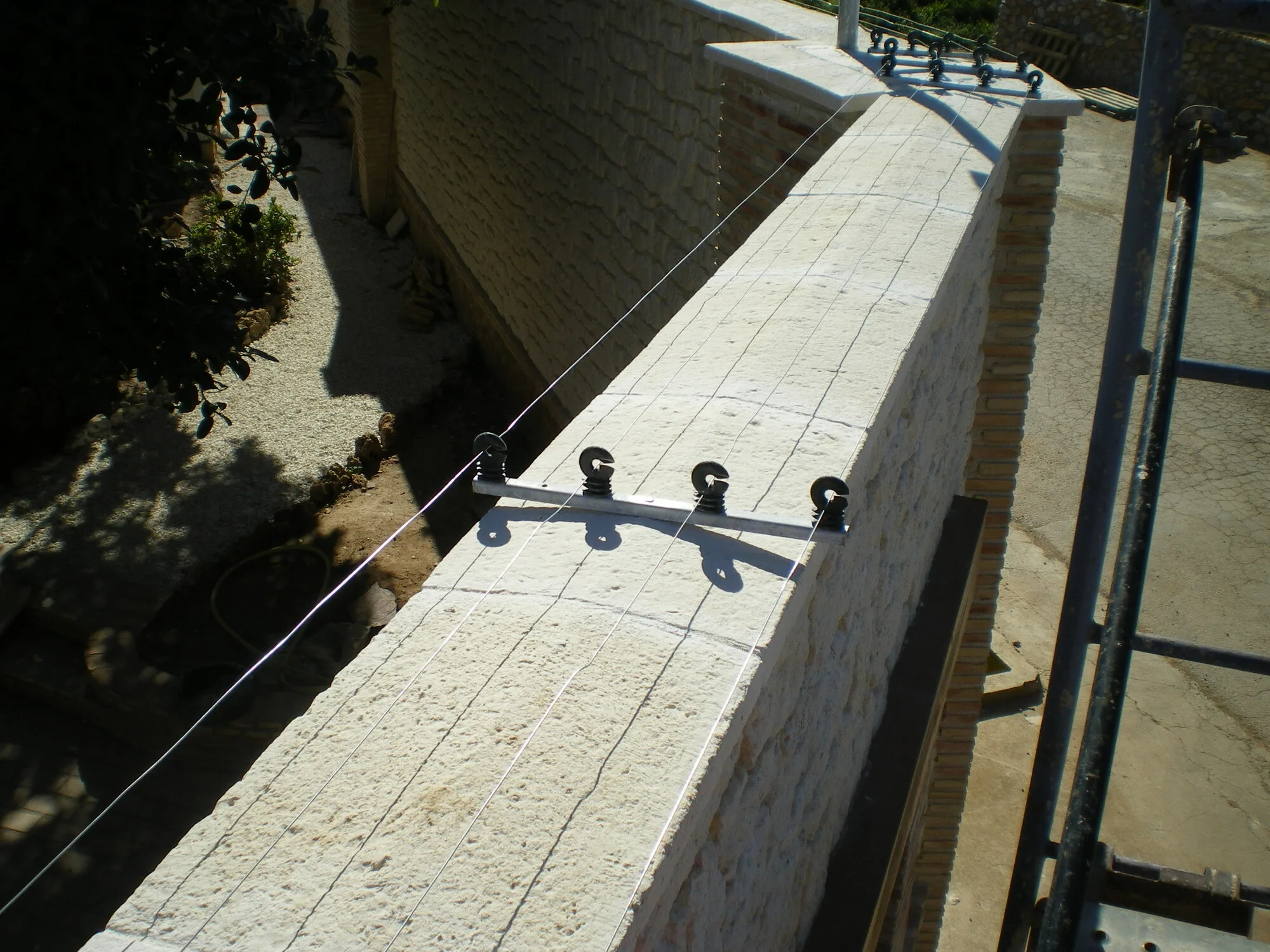
Climb-over protection
Climb-over protection with electric fence on the wall of a factory in Spain
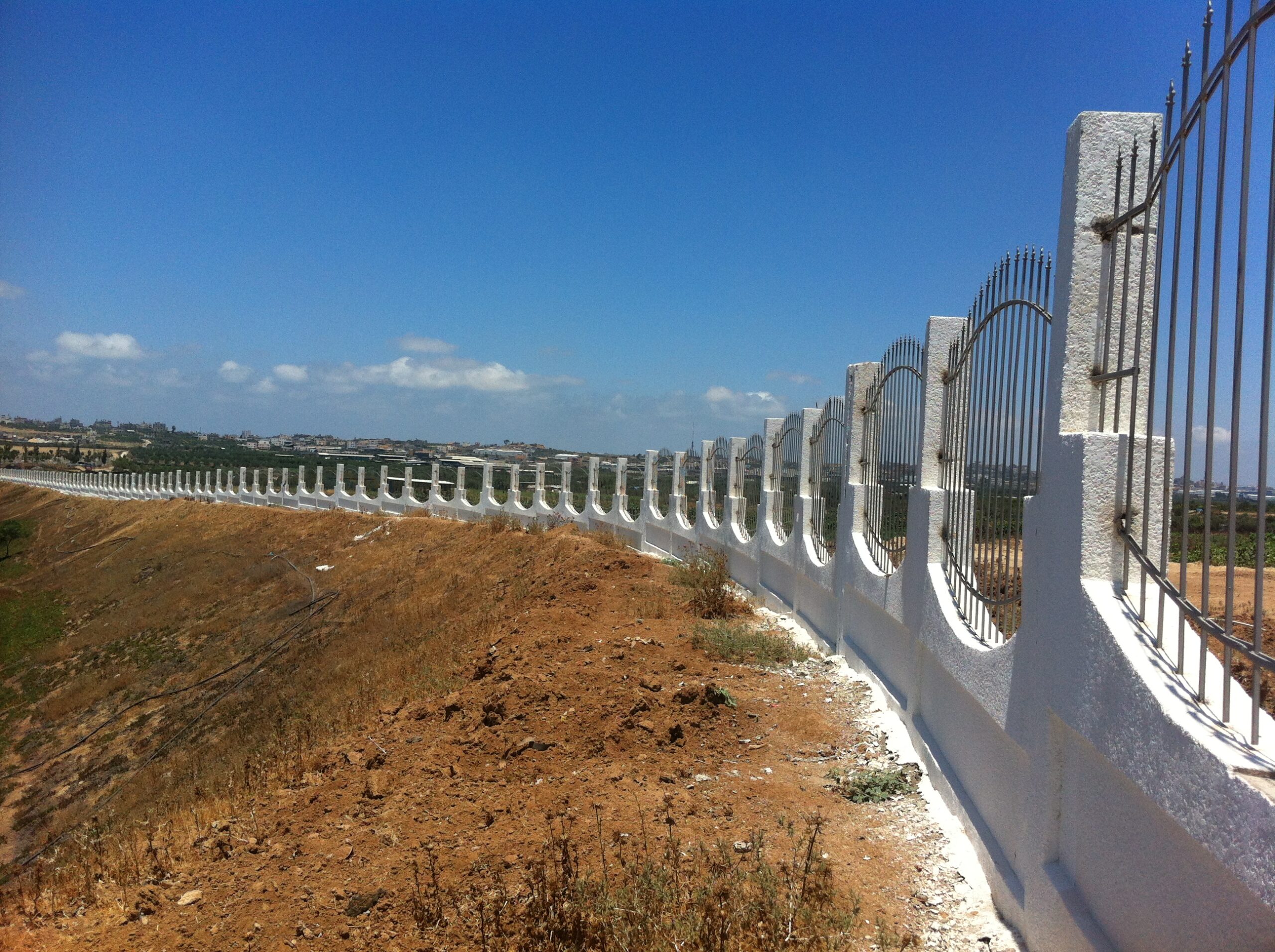
Power fence protection for Gaza sewage treatment plant
Securing the sewage treatment plant in the city of Gaza
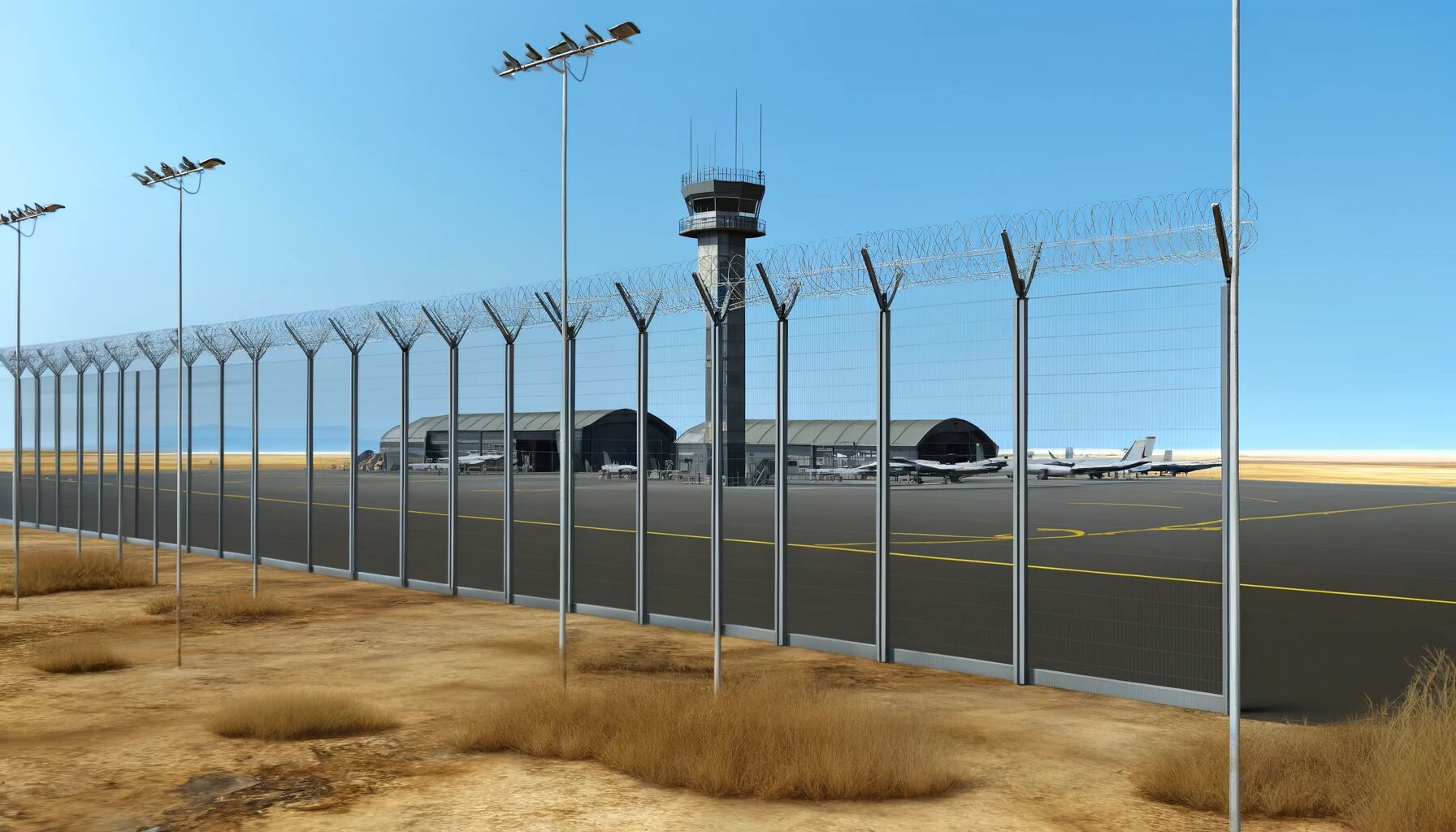
High security fencing for airports
We supply high-security fencing for military facilities, power stations and police stations. These images are subject to confidentiality. For information, please contact the author.
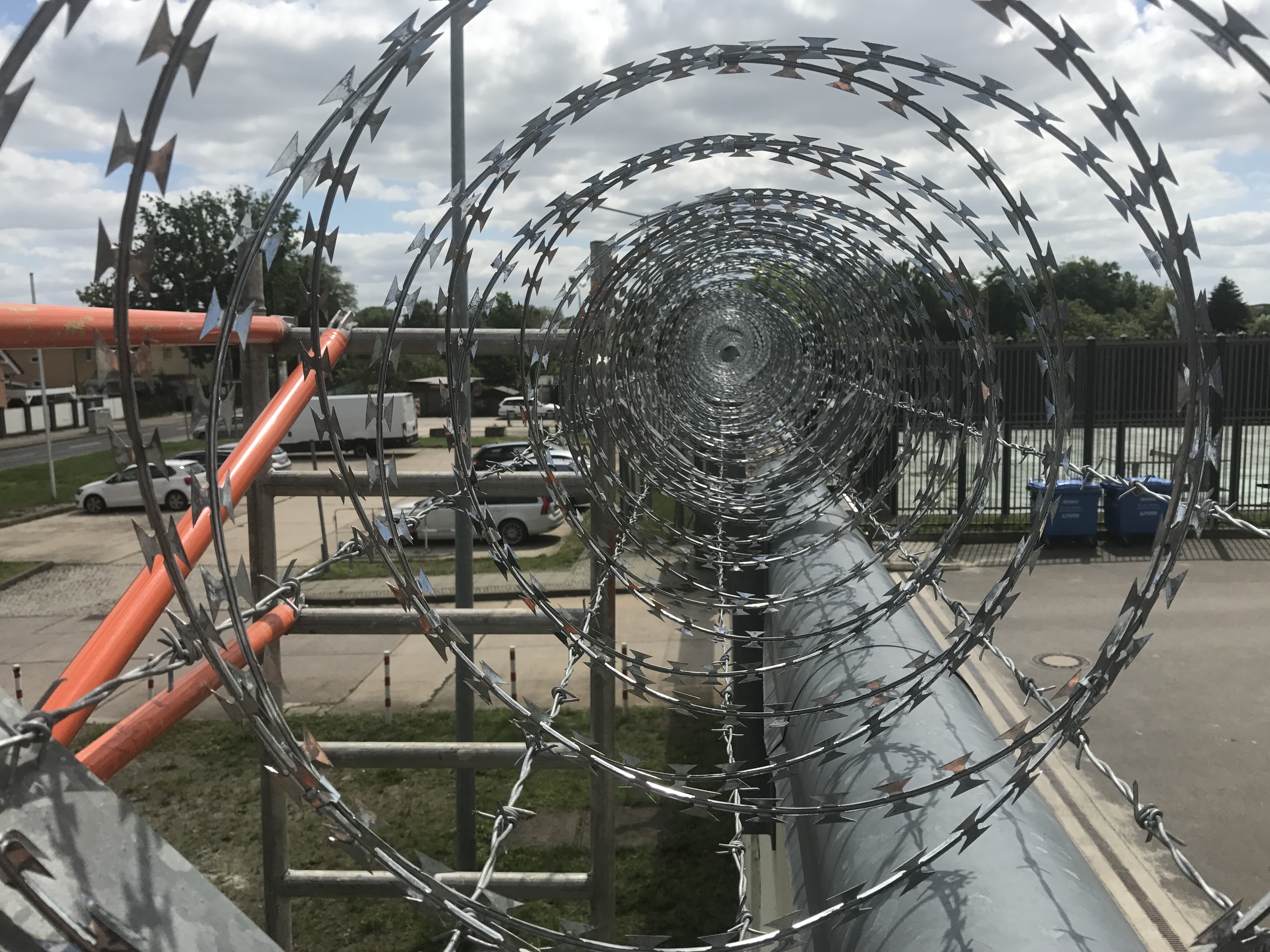
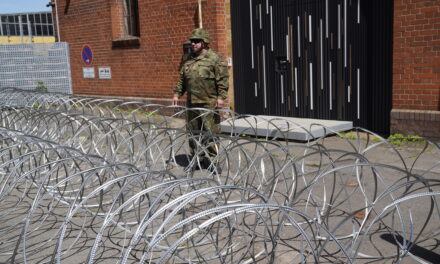
NATO Wire 2026: Installing NATO Wire on a Wall Using Y-Brackets
nato-draht-natodrahtrolle-y-traeger-mauer-uebersteigschutz.jpg
Prevent cable theft in solar/wind farms and protect your systems
Effectively preventing cable theft at solar parks will be a must for operators and investors in 2026. That’s because thieves steal copper and, at the same time, cause downtime. In addition, follow-up costs rise because inspections and repairs take time. That’s why security must be part of operational planning—just as much as maintenance and monitoring. rotec supports solar parks in this effort with active perimeter protection and clear alarm systems.
This article presents documented examples from Germany in the year 2025. It also explains how an active electric fence works along a perimeter. You’ll gain a clear understanding of the technology behind the rotec APS electric fence, including the 9,000-volt pulse that is triggered upon contact at night. You’ll also receive criteria, checklists, and common mistakes to help planning teams make decisions more quickly. At the end, you’ll find specific next steps for your projects in Berlin, Brandenburg, and throughout Germany.
Cable Theft at the 2025 Solar Park: Why the Risk Is Real
Solar farms are often located in remote areas, which means there is a lack of social oversight. At the same time, the sites are large, leaving many potential points of entry. Perpetrators take advantage of this situation because they want to operate undisturbed. They often start by cutting through the outer fence. Then they cut the cable bundles and haul them away. This results not only in material losses but also in operational disruptions.
Many operators also underestimate the scope of repairs. Cable runs must be inspected, and connections must be securely restored. In addition, individual system components must be recommissioned. This results in additional costs that can significantly exceed the value of the materials. This is precisely why prevention makes economic sense—because it prevents downtime.
Brief Statistics for 2025: Documented Damage and Examples from German Solar Parks
It is not possible to arrive at a reliable nationwide total because reports often specify only specific areas. Nevertheless, specific cases clearly illustrate the scale of the problem and help in assessing the risk.
-
Series of incidents in Bavaria, Ansbach County, 2025: Fourteen similar incidents were reported. The estimated total damage amounted to more than 500,000 euros.
-
An isolated incident in the Main-Tauber district, September 2025: The material value of the stolen cables was reported to be approximately 100,000 euros. In addition, significantly higher repair costs were expected.
-
Case Study: Reppichau, June 2025: Approximately ten kilometers of cable were stolen. The reported damage amounted to 25,000 euros, and the site had already been targeted again.
-
Individual incidents in December 2025, also in the Ansbach district: Approximately 70 kilometers of copper cable were reported, and the damage was described as being in the six-figure range.
-
A specific case in Baden-Württemberg, December 2025: The length was reported as 50 kilometers, and the value was estimated at approximately 125,000 euros.
These examples illustrate two patterns. First, individual incidents can quickly reach five- or six-figure amounts. Second, when perpetrators are successful, a series of incidents tends to follow. That is why it is worth implementing a strategy that intervenes early and reports incidents immediately.
What Does Perimeter Security Mean in a Solar Farm?
Perimeter security refers to the protection of a property’s outer boundary. It includes fences, gates, and access points. It also encompasses detection and alarm systems. The goal is to ensure that unauthorized access is detected immediately. Solar parks benefit from this because intruders must first breach the perimeter. If the perimeter is actively protected, intruders have less time to tamper with the cables.
For solar farms, in addition to active deterrents, early detection at the fence is also crucial. If existing fences are to continue to be used, adding sensor-based technology may be a good idea. The article Retrofitting Fence Monitoring for Existing Fences shows how rotec APS Flexiguard can actively monitor existing perimeters.
Effective perimeter security is based on three principles. It acts as a deterrent because it is visible and effective. It detects intrusions because tampering triggers an alarm. It enables a response because an alarm chain is immediately notified.
rotec APS Electric Fence: An Active Security Fence Instead of a Passive Barrier
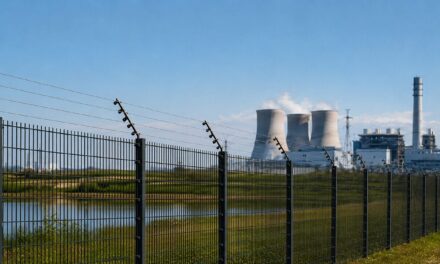
With the APS electric fence, rotec offers an active fencing system. It upgrades existing fences to security fences and can also be installed as part of a new design. The system is also suitable as a climb-over protection for walls, facades, and roofs. rotec reports over ten years of experience with the system and more than 1,500 installations.
The key is the combination of deterrence and detection. The APS system detects attempted break-ins and transmits signals. This provides an early technical warning along the perimeter. rotec also cites very high system reliability as a manufacturer specification, which is important for operators.
Day Mode and Night Mode: Why Switching Between Them Is Important for Solar Farms
During daytime operation, the system can operate in low-voltage mode. According to rotec, this mode is safe and imperceptible. It is therefore also suitable for areas where people pass through, provided the project is planned accordingly. At the same time, daytime operation helps detect sabotage and vandalism.
At night, the system switches to high voltage. The system then prevents unauthorized access to the high-voltage area, which operates at 9,000 volts. This creates an active touch protection system that immediately deters intruders. This effect is particularly crucial in solar parks, because many incidents occur at night.
9,000-volt shock upon contact: a technical explanation and proper context
The high-voltage generator produces high-voltage pulses of up to 9,000 volts. If an intruder touches the electric wire, they receive a very strong electric shock, which acts as a deterrent. rotec explicitly describes this deterrent effect as its primary function, even though the pulse is classified as harmless.
It is important to limit the electrical energy. rotec specifies a maximum current of 35 milliamps. rotec also specifies a shock energy of 5 joules, while the legal limit is 7 joules. In addition, the generator operates in pulses. It produces about 50 pulses per minute. According to rotec, this combination is designed to eliminate the risk of injury.
This classification is important for operators. This is not a continuous current. These are pulses with limited energy. The goal is deterrence and detection, so that perpetrators do not gain any time.
System Architecture: Three Components That Work Together
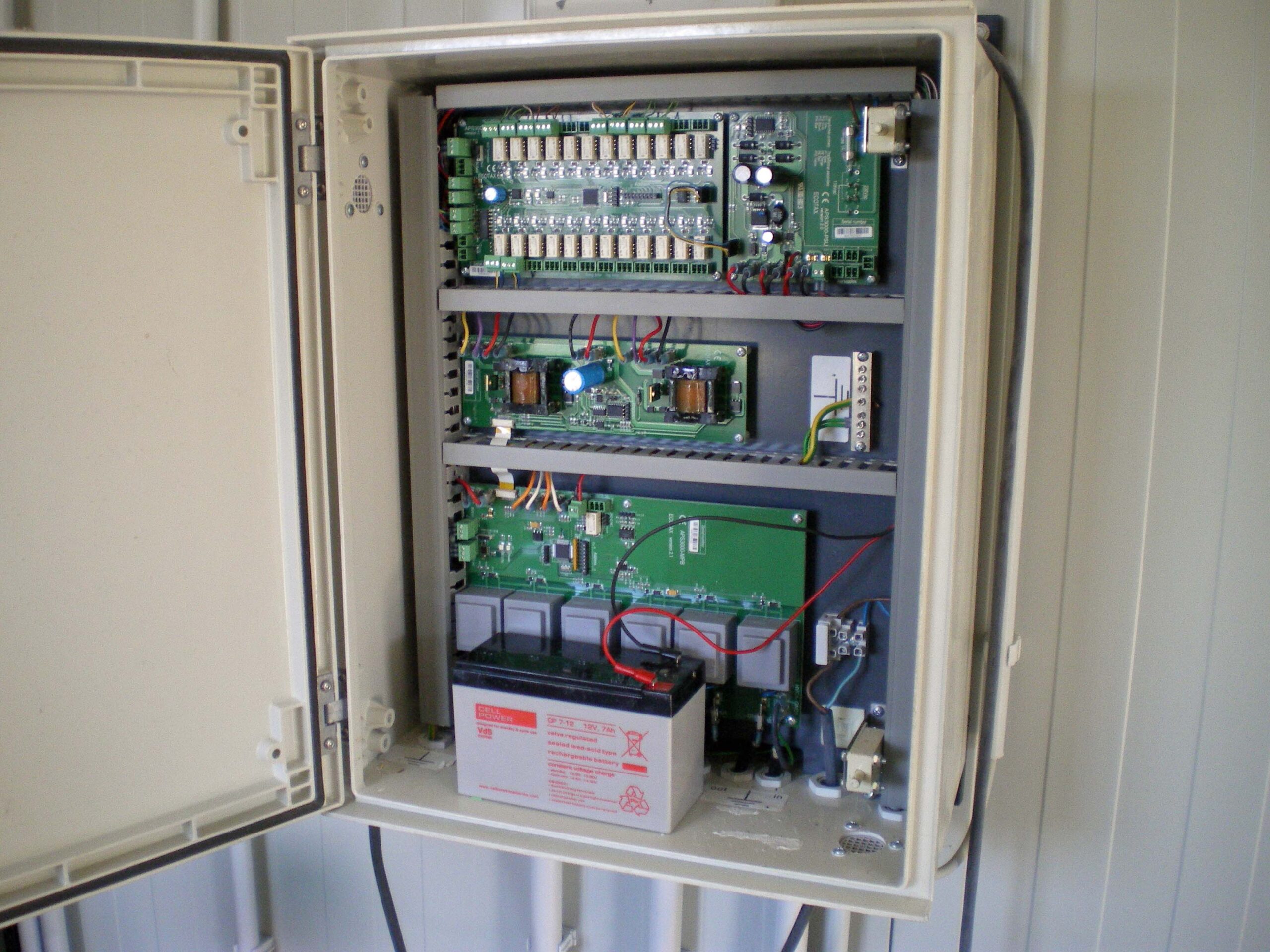
The APS Electric Fence System consists of three parts.
First, the high-voltage generator, which produces the high voltage.
Second, the electrical wire serves as an electronic control unit.
Third, an integrated control unit with a power supply that complies with legal requirements.
In practice, the electric wire is installed inside the fence. The electric wire and the existing fence are insulated from each other. The fence itself is not electrified. This ensures that the existing fence system remains de-energized, which is important for maintenance and operation.
The electric wire is attached to brackets that are mounted on posts. The brackets are galvanized and can be customized in color. rotec also describes tension springs that compensate for expansion and contraction. This keeps the wire taut, ensuring stable performance throughout the seasons.
Detection and Alarms: How the System Detects Malfunctions
An active fence must send alerts; otherwise, it remains nothing more than a barrier. rotec describes several built-in features that are particularly valuable in solar parks.
-
Voltage Drop Alarm Relay: The system alerts operators when the high voltage drops below the rated value. This preliminary alarm can, for example, indicate contact with plants, allowing operators to respond promptly.
-
Alarm for Wire Breakage During Daytime Operation: If the electrode wire is broken while no high voltage is applied, a Cut Proof alarm may be triggered by the absence of a low-voltage signal.
-
Backup Battery and Emergency Operation: In the event of a power outage, a permanently installed battery enables autonomous operation. If the power fails, the system automatically switches to low-voltage operation.
In addition, rotec specifies a defined breaking strength for the electric wire. As soon as the load on the wire exceeds 40 kilograms, the wire breaks and an alarm is triggered. This can be effective against attempts to climb over the fence, because intruders cannot simply push their way through.
Another mandatory requirement is lightning protection. rotec points out that, by law, electrical wiring must be equipped with lightning protection. This is particularly important for solar farms because open areas are exposed and the risk of lightning strikes is very real.
Avoiding False Alarms: Common Triggers and Effective Countermeasures
Rotec cites several causes of false alarms. These include unnoticed contact with the wire. Contact with plants can trigger an alarm if grass or shrubs grow into the area. Contact with animals can also be a cause. Fence vibrations and varying weather conditions are also cited.
For operators, this means that maintenance and installation quality are integral to safety. Removing vegetation regularly significantly reduces malfunctions. Creating zones in a logical manner allows incidents to be pinpointed more quickly. And properly integrating gates helps prevent false alarms.
Stop Copper Theft at Solar Parks: GSM Alarms or Integrated Monitoring
Solar farms need a clear alarm chain because the sites are often unmanned. For many facilities, a streamlined alert system is sufficient. A GSM alarm module is often a good solution here. It sends messages to designated recipients, which speeds up the response.
In cases of increased risk, an integrated solution is advisable. This involves combining a fence, a camera, and sensor technology. This enables verification and makes interventions more targeted. For larger projects, rotec also describes options in which security management systems control the operating mode when communication infrastructure is available.
Decision-Making Guide for Operators and Planners: How to Choose the Right Expansion Level
A solution must be suited to the location; otherwise, it will be costly or ineffective. Therefore, review these criteria before issuing a request for proposals or retrofitting.
Response Time and Access Routes
When travel times are long, early detection is crucial. In such cases, active perimeter protection is particularly effective. Verification also helps because teams can plan their routes more efficiently, and because the number of unnecessary trips decreases.
Regional Series and Repeat Offenses
Statistics show that offenders return when it's easy for them to do so. After the first incident, the risk often continues to rise. That's why it's worth upgrading security quickly so the location doesn't remain an attractive target.
Perimeter Length, Lines of Sight, and Risk Zones
Long fences have many potential points of entry, which is why zoning is necessary. High-risk areas often include forest edges, access roads, and unobserved corners. Plan these areas with clear reporting procedures, and define unambiguous zone designations.
Gates and Maintenance Access Points
Gates are vulnerabilities because they must be used. rotec describes three types of protection for gates. A gate with serial protection triggers an alarm every time it opens. A gate with combined protection triggers an alarm only at night. A gate with parallel protection does not trigger an alarm when opened. This allows the gate’s use to align with operational needs while maintaining effective protection.
Operation, Maintenance, and Total Cost of Ownership
The purchase is only part of the story. Maintenance, upkeep, and troubleshooting are just as important. Schedule maintenance intervals for vegetation, as contact with plants can cause malfunctions. Also schedule inspections and documentation to ensure the system remains reliable over the long term.
Numbered Checklist: Effectively Preventing Cable Theft in Solar Parks
-
Conduct a risk analysis and survey the surroundings, access routes, and sight lines.
-
Check the perimeter plan and mark the gates, corners, and crossings.
-
Define the emergency contact chain and designate contacts with alternates.
-
Choose the technology and incorporate the rotec APS electric fence as an active perimeter protection system.
-
Coordinate day and night operations so that maintenance can still be performed during the day.
-
Check the power supply and take into account emergency operation using a backup battery.
-
Plan for lightning protection and grounding, because open areas are exposed.
-
Define zones so that events can be quickly pinpointed.
-
Protect door areas based on usage patterns and select the appropriate mode.
-
Define a vegetation maintenance plan to reduce false alarms.
-
Document the startup and provide brief training to the operator.
-
Set maintenance intervals and check their effectiveness regularly.
Common Mistakes and How to Avoid Them
Mistake 1: Passive Fence Without Detection
A passive fence is often detected too late, giving perpetrators more time. An active fence detects tampering early, thereby reducing the window of opportunity.
Mistake 2: No clear chain of command for alerts
If alerts are unclear, the response will be delayed. Designate specific recipients and define escalation levels. Also, determine who makes decisions at night so that no time is wasted.
Mistake 3: Vegetation is not included in the plan
Contact with plants is a common cause of malfunctions, and it can be prevented. Be sure to schedule maintenance, and use early-warning features for voltage drops.
Mistake 4: Gates are treated like regular fence panels
Gates are dynamic, and that's why they can be risky. Use the appropriate gate modes and match the mode to the operating conditions and security level.
Mistake 5: Upgrading comes too late after the first incident
Repeat incidents are a realistic possibility if the points of entry are known. Therefore, take action after the first incident and consistently address vulnerabilities.
Case Study: Brandenburg—Protecting a Solar Farm from Cable Theft
A solar farm in Brandenburg is located outside a town. The perimeter fence is long, and there is a forest nearby. The response time is about 30 minutes, and access roads are limited. The operator had already received reports of intruders and wanted to prevent further damage.
In this situation, the perimeter is the most important security measure. The existing fence is retrofitted with the rotec APS electric fence. During daytime operation, the system operates at low voltage, and tampering is detected. At night, it operates with high-voltage pulses of up to 9,000 volts, and contact immediately acts as a deterrent. At the same time, a signal is transmitted to a defined alarm chain, for example via a GSM message.
The zones are selected so that gates, forest edges, and long straight stretches are separated. This allows incidents to be pinpointed more quickly, and emergency responders can locate the site faster. A maintenance plan is established to prevent contact with vegetation. In addition, lightning protection is implemented because the electric fence must be equipped accordingly. After the system is put into operation, the alarm chain is tested to ensure that responses proceed smoothly.
In a setup like this, the likelihood that intruders will be able to tamper with cables undisturbed is reduced. This is because attempts to gain access over the fence are thwarted early on, which often significantly reduces the damage.
Profitability: Why Security Protects Returns
Every downtime reduces output and disrupts forecasts. On top of that, there are repairs and labor costs, which in practice are often more expensive than expected. The examples from 2025 show that damage costs can quickly mount up and that incidents tend to accumulate. When a system prevents theft or stops it early, follow-up costs drop significantly. Furthermore, operations become more predictable because surprises occur less frequently.
Another benefit is greater predictability for investors and insurers. Specific effects on premiums cannot be generalized and therefore do not exist. Nevertheless, prevention usually improves risk assessment because processes become visible and documentable.
rotec Services: Design, Manufacturing, Installation, and Service from Berlin
rotec manufactures in Berlin and offers design, production, and installation all under one roof. This reduces the risk of coordination issues and ensures more consistent quality. rotec also operates according to documented standards and processes. These include DIN EN ISO 9001:2015, DIN EN 1090 Parts 1 and 2, and DIN EN ISO 3834 Part 3.
Early coordination is important for planners because gates, access roads, and zones must be carefully planned. That’s why rotec offers on-site architectural consulting when it fits the project. This ensures that protected areas, maintenance routes, and the alarm chain are coordinated early on, reducing the need for rework.
For more information, visit www.rotec-berlin.de.
Conclusion: Effectively Prevent Cable Theft in Solar Parks and Reduce Outages
Cable theft in solar parks can be effectively prevented if the perimeter is actively protected and the alarm chain is clearly defined. Documented cases from 2025 show significant damage and repeat offenses, which is why prevention makes economic sense. The rotec APS electric fence provides dual protection. It detects tampering and triggers an alarm. At night, it prevents entry by delivering high-voltage pulses of up to 9,000 volts upon contact. At the same time, according to rotec, 35 milliamps, 5 joules, and a pulse frequency of approximately 50 pulses per minute limit the energy delivered.
If you want to protect your solar park in Berlin, Brandenburg, or anywhere in Germany, talk to rotec. We’ll assess the location, risks, and alarm chain, and develop a practical plan. Request a no-obligation consultation now at www.rotec-berlin.de. For compatible components and accessories, please also use www.rotec-profishop.de.
F. FAQ Section
How can I effectively prevent cable theft at solar farms?
Actively secure the perimeter and establish an alarm chain. This will deter intruders early on.
How does the rotec electric fence work when touched?
At night, he works in the high-voltage facility. If touched, the voltage can reach up to 9,000 volts.
Why does the 9,000-volt pulse deter offenders?
Because physical contact is immediately unpleasant, and because perpetrators lose time. This increases their risk of being discovered.
Is an electric fence safe for people and animals?
rotec specifies a limited current and pulsed operation. This is intended to eliminate the risk of injury.
What types of damage were reported at solar farms in 2025?
There were cases involving 25,000 euros and 100,000 euros in material value. Six-figure losses were also reported.
Why are repairs often more expensive than the cable?
Because testing, reconstruction, and commissioning take time. In addition, there are downtime periods and a need for additional staff.
How do I prevent false alarms at the fence?
Maintain vegetation and check fastenings regularly. Also, use early-warning functions for voltage drops.
How can gates be secured without disrupting operations?
rotec describes serial, combined, and parallel protection types. The choice depends on the application, daily operations, and risk.
What information does rotec need for planning?
You'll need a site plan, perimeter length, a list of gates, power supply information, and your preferred alarm routes. Then we can quickly develop a plan.
Contact us today and arrange a non-binding consultation to find the best security solution for your solar and wind parks. Together, we will pave the way to a safe and efficient future!
Get a no-obligation consultation now and take security to a new level!
Protect your company reliably! Contact us for a Individual advice and find out how the APS power fence effectively protects your site.
Further information can be found at www.rotec-berlin.de

 EN
EN  DE
DE  ES
ES  FR
FR  IT
IT  NL
NL  PL
PL  TR
TR
0 Comments