
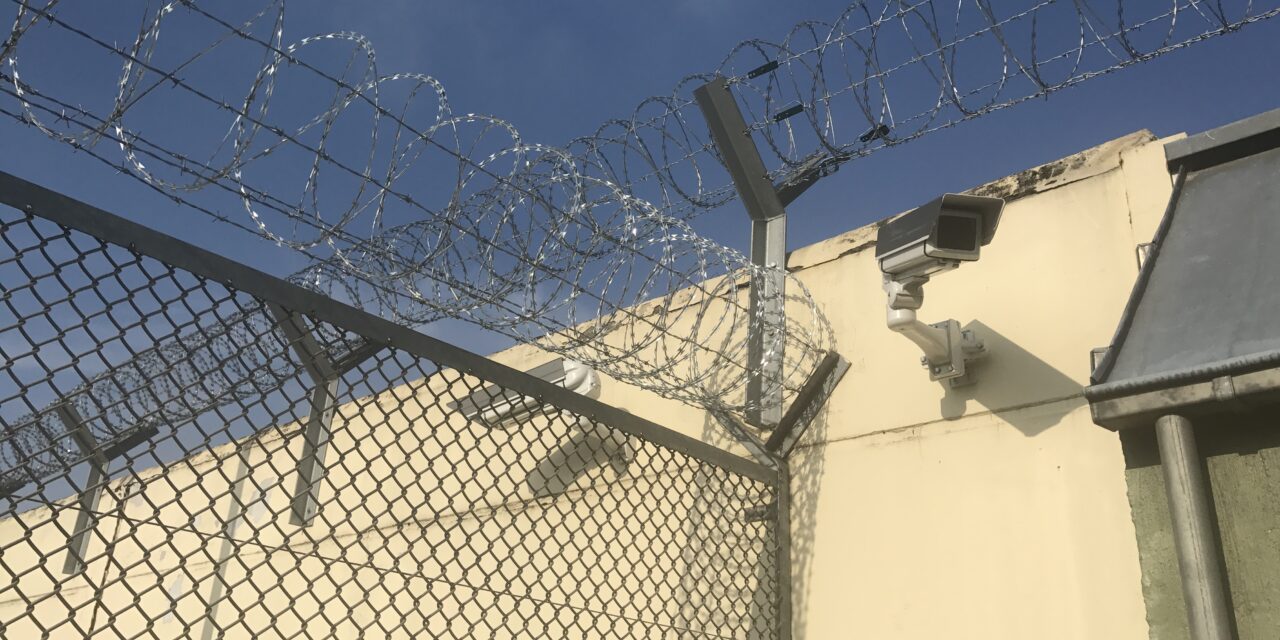
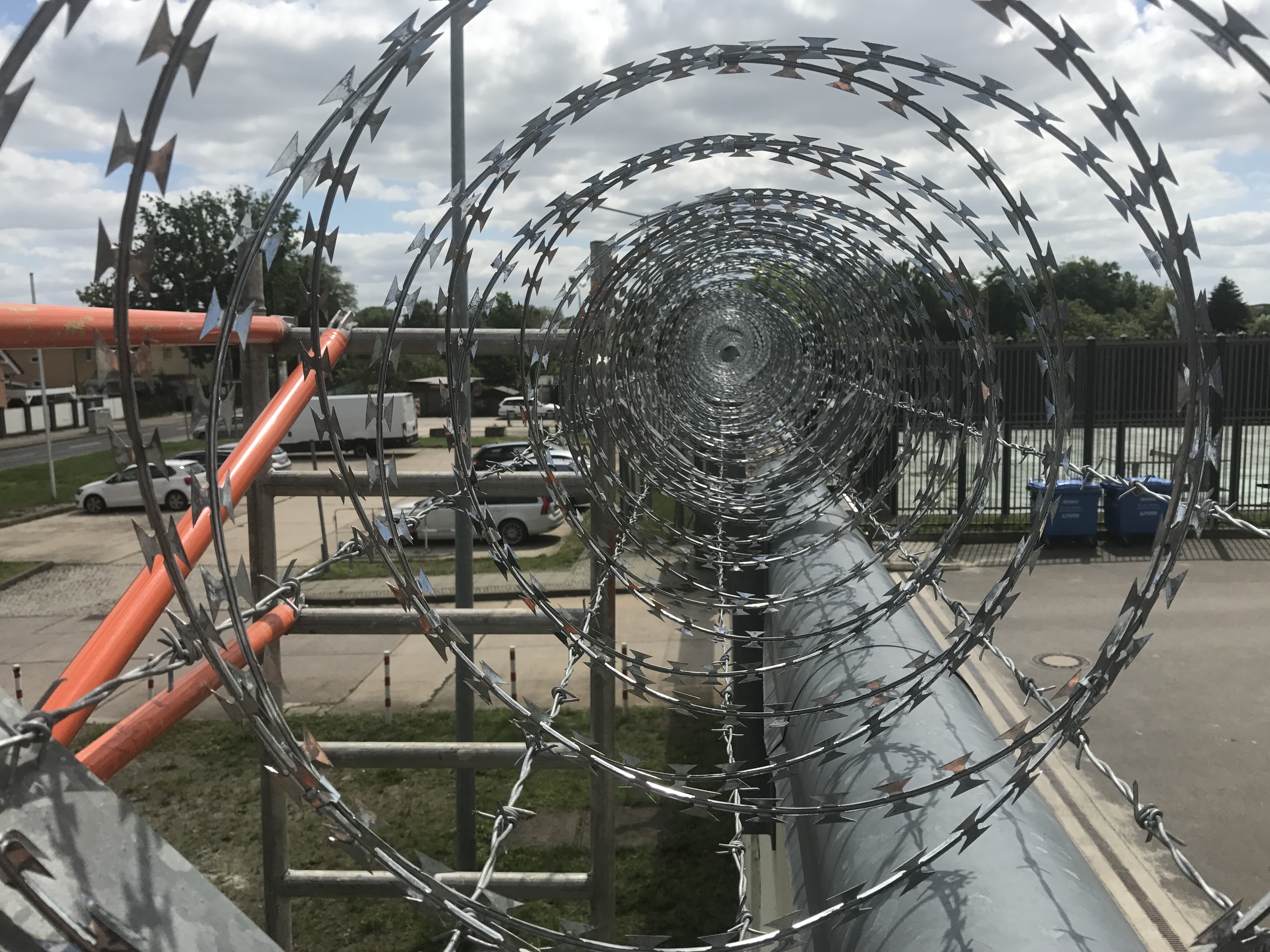
NATO Wire 2026: Installing NATO Wire on a Wall Using Y-Brackets
nato-draht-natodrahtrolle-y-traeger-mauer-uebersteigschutz.jpg
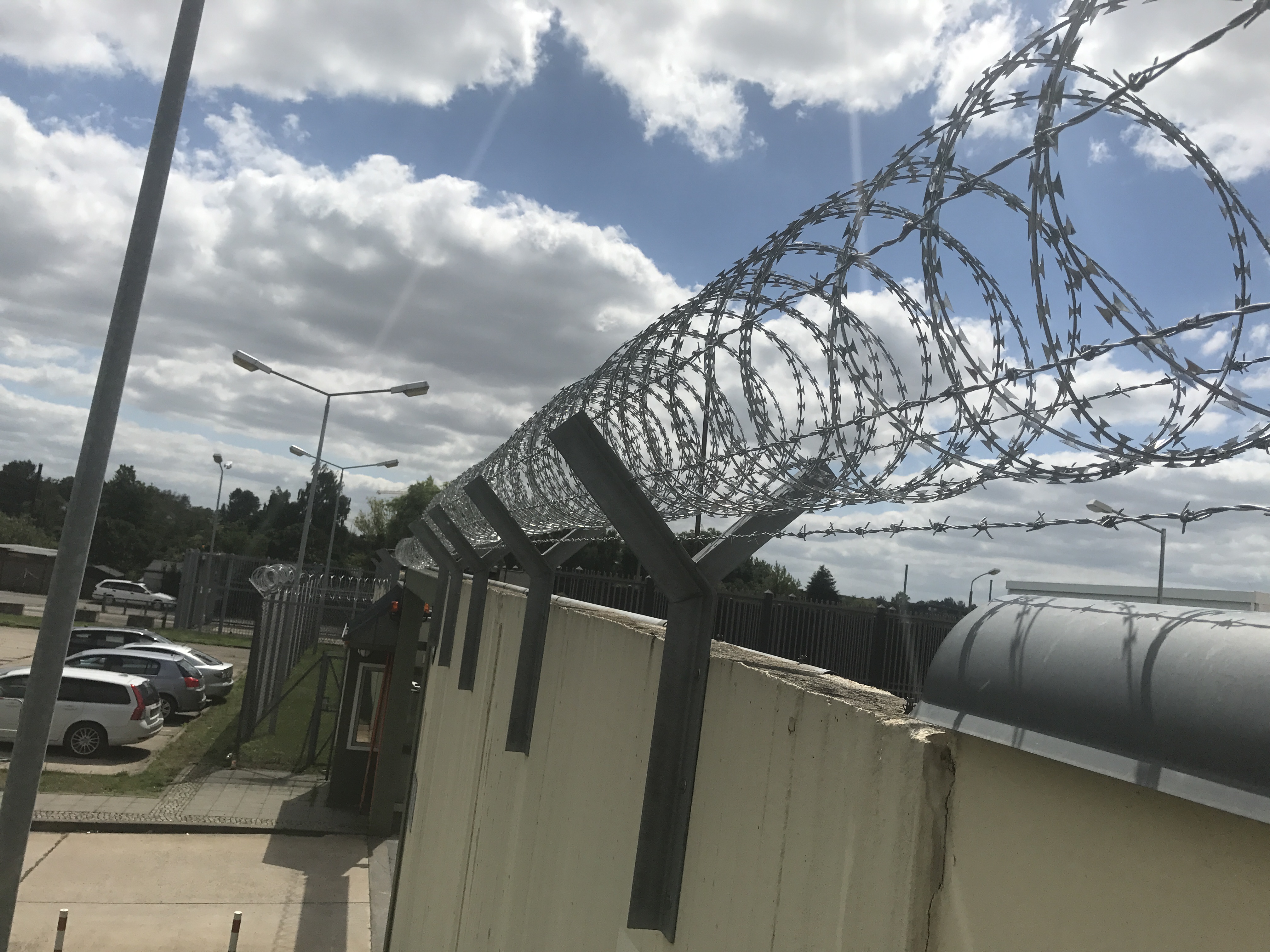
NATO wire with Y-bracket
NATO wire as a climbing barrier on a wall

NATO Wire: Flat Wire Roll for Securing Chain-Link Fence
NATO Wire: Flat Wire Rolls for Special Securing of Chain-Link Fences

NATO Wire Wall Mount
Wall mount for attaching the NATO wire to a wall

rotec-natodraht-typ-us-nato-draht-rolle-uebersteigschutz-perimeterschutz.jpg
rotec NATO Wire, Type US: NATO wire roll for use as a climbing barrier in perimeter security
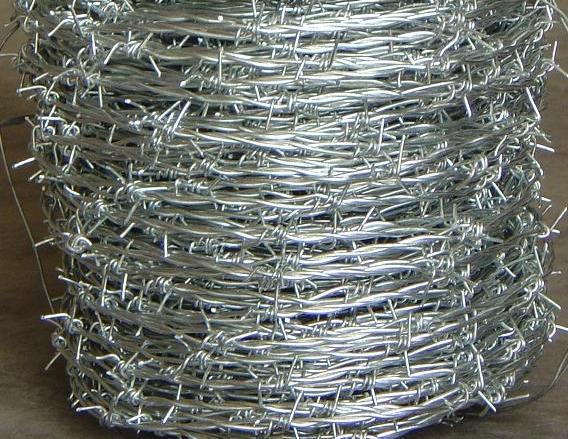
Galvanized barbed wire as tension wire: secure guidance for NATO wire installation
Galvanized barbed wire roll, recommended as tension wire for barbed wire fences
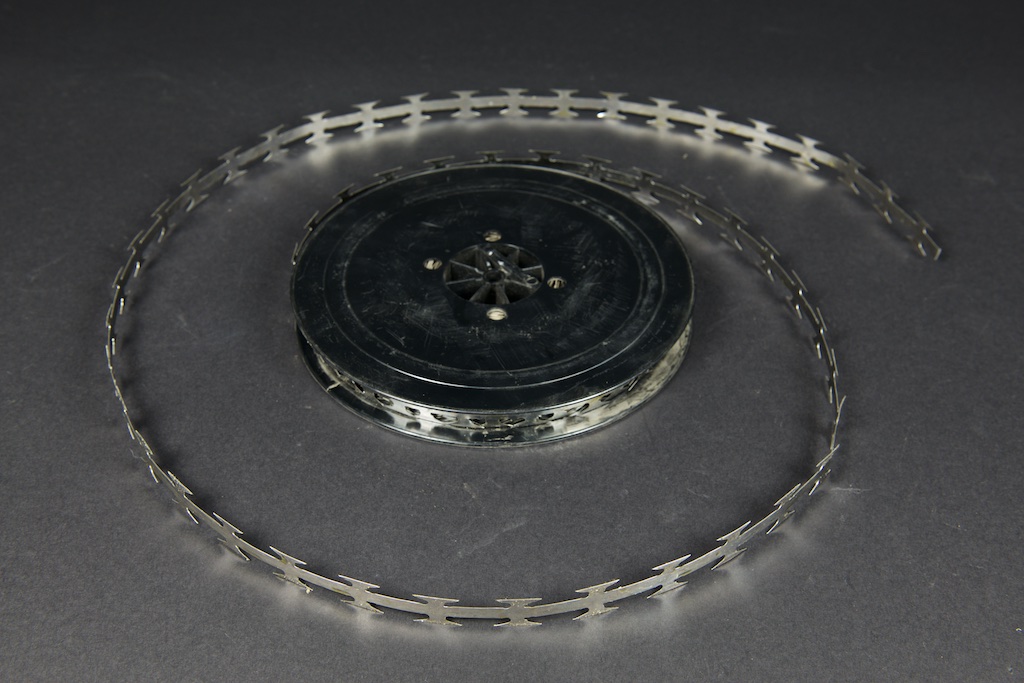
-b-verzinkt-50m-19mm-0-5mm-spule-225mm.jpg
Type B Barbed Wire: Galvanized steel, 50-meter spool, 19 mm x 0.5 mm, spool diameter 225 mm
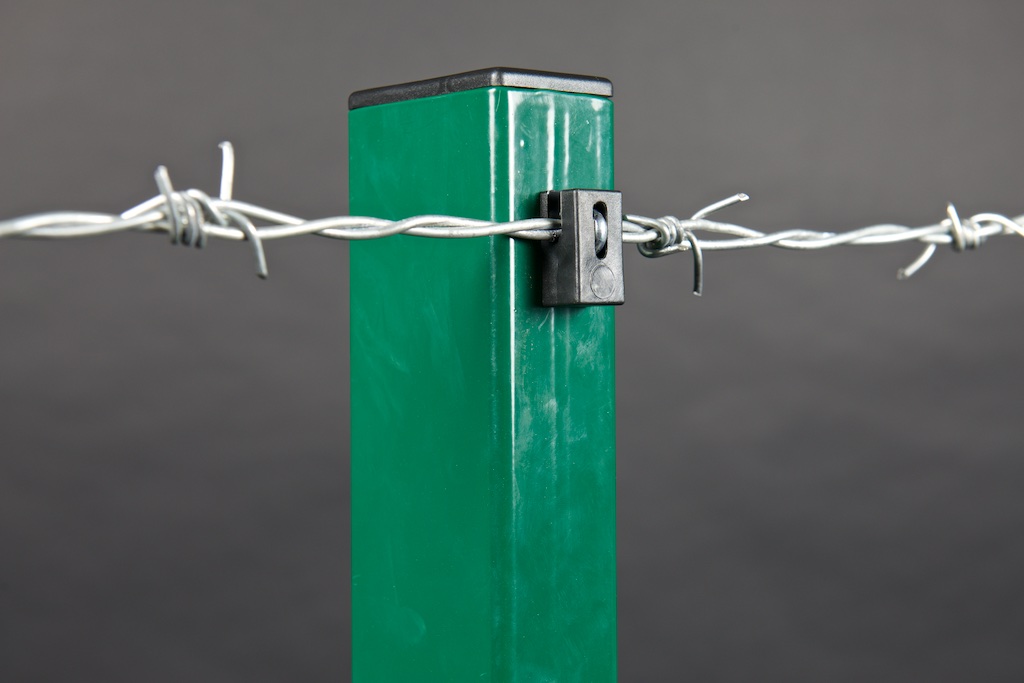
stacheldraht-spanndraht-spanndrahthalter-pfosten-natodraht-montage.jpg
Barbed wire used as a tension wire, secured to the post with a tension wire holder
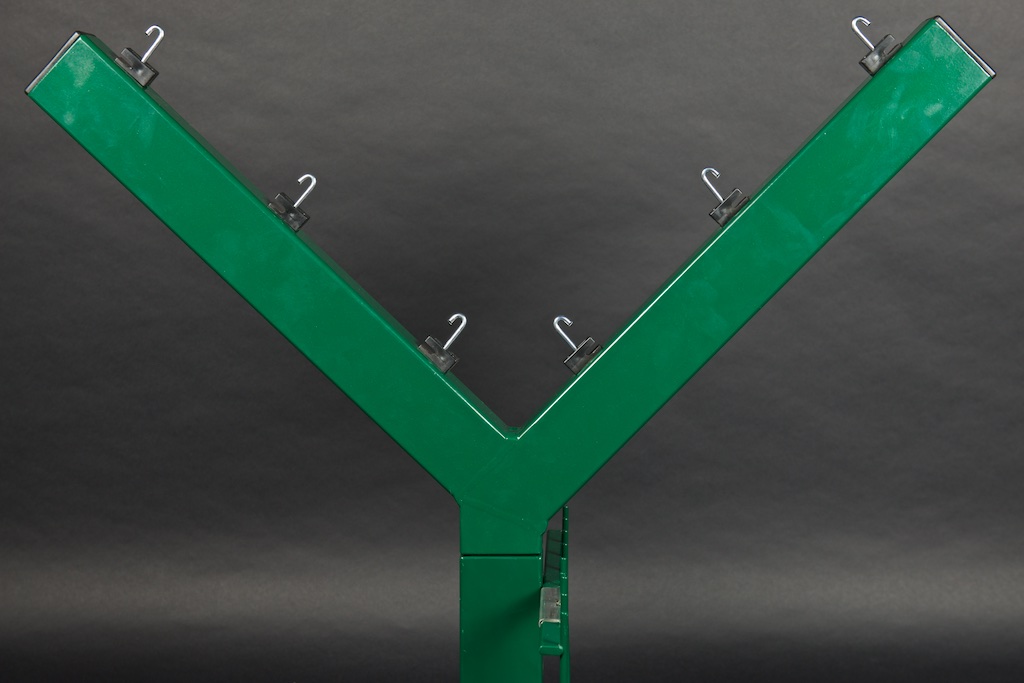
y-traeger-einschlagoesen-spanndraht-nachruestung-doppelstabmattenzaun-natodraht.jpg
Y-bracket for barbed wire: 6 attachment loops for tension wire, retrofit on double-wire mesh fencing
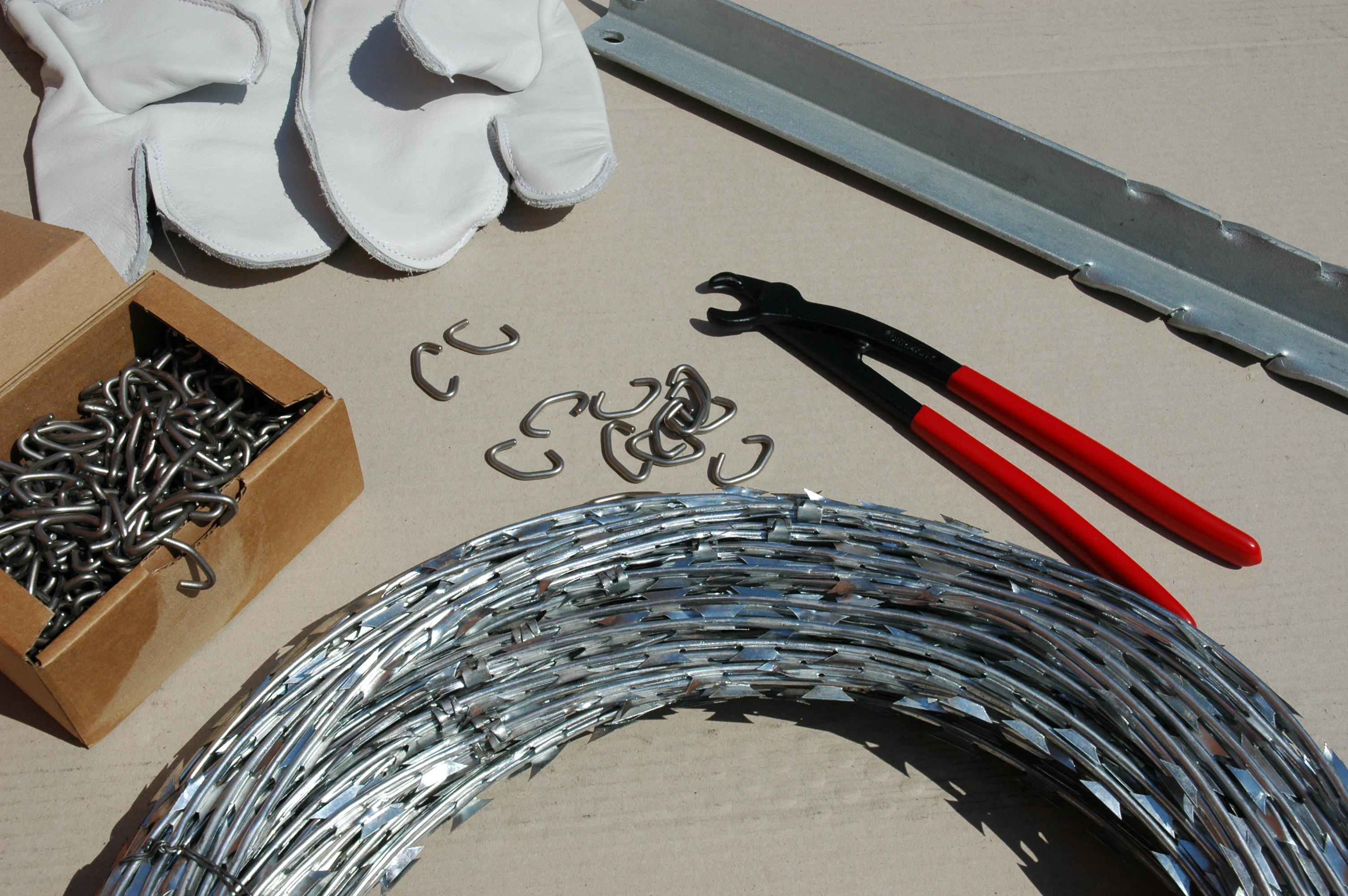
NATO Wire Installation Accessories: Ring Clamps, Pliers, and Safety Equipment
Installation accessories for NATO wire rolls: Special gloves, ring clamp pliers, stainless steel ring clamps, and ground anchors
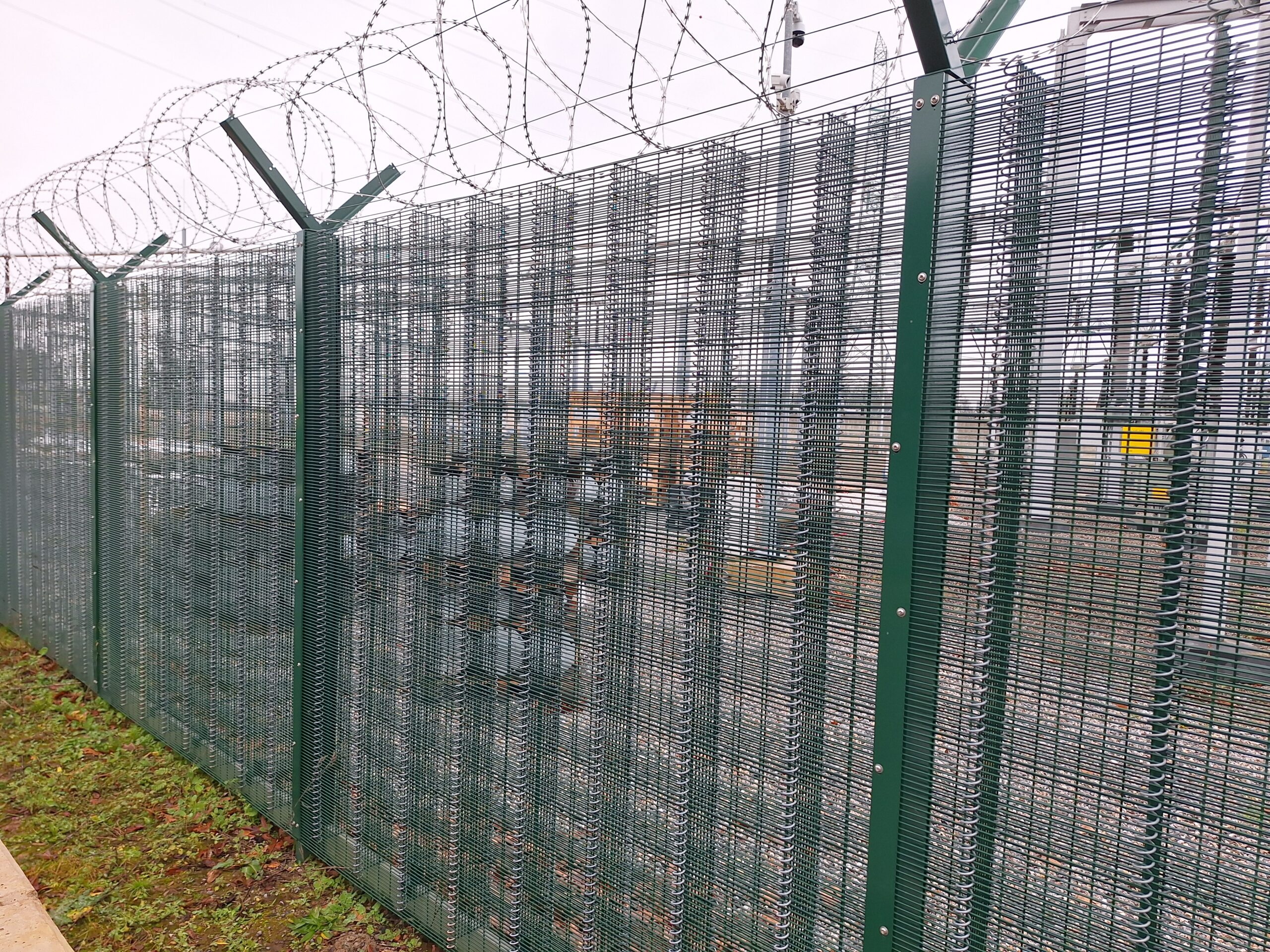
Securifor Defender
Securifor Defender high-security fence protects a power plant
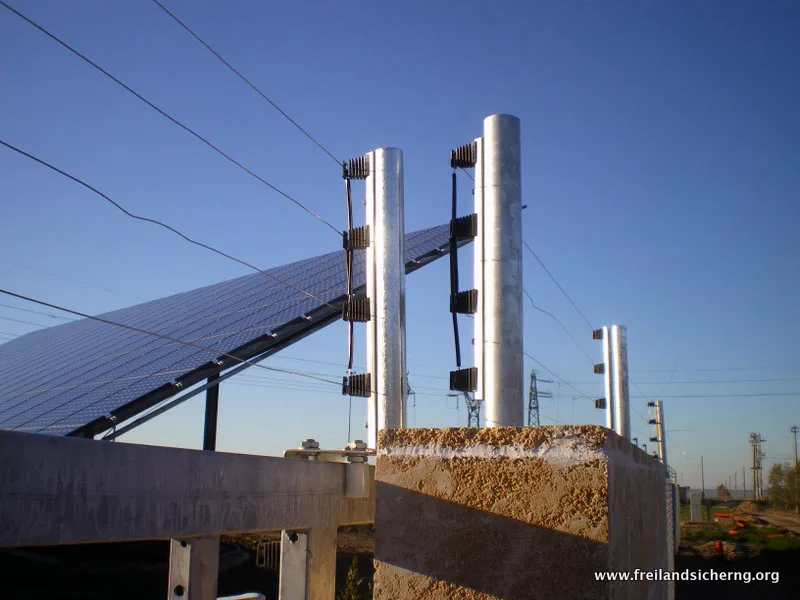
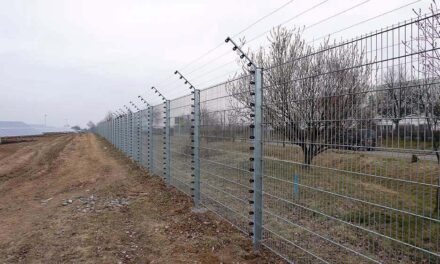
Electricity fence
Climb-over protection with electric fence on a wall
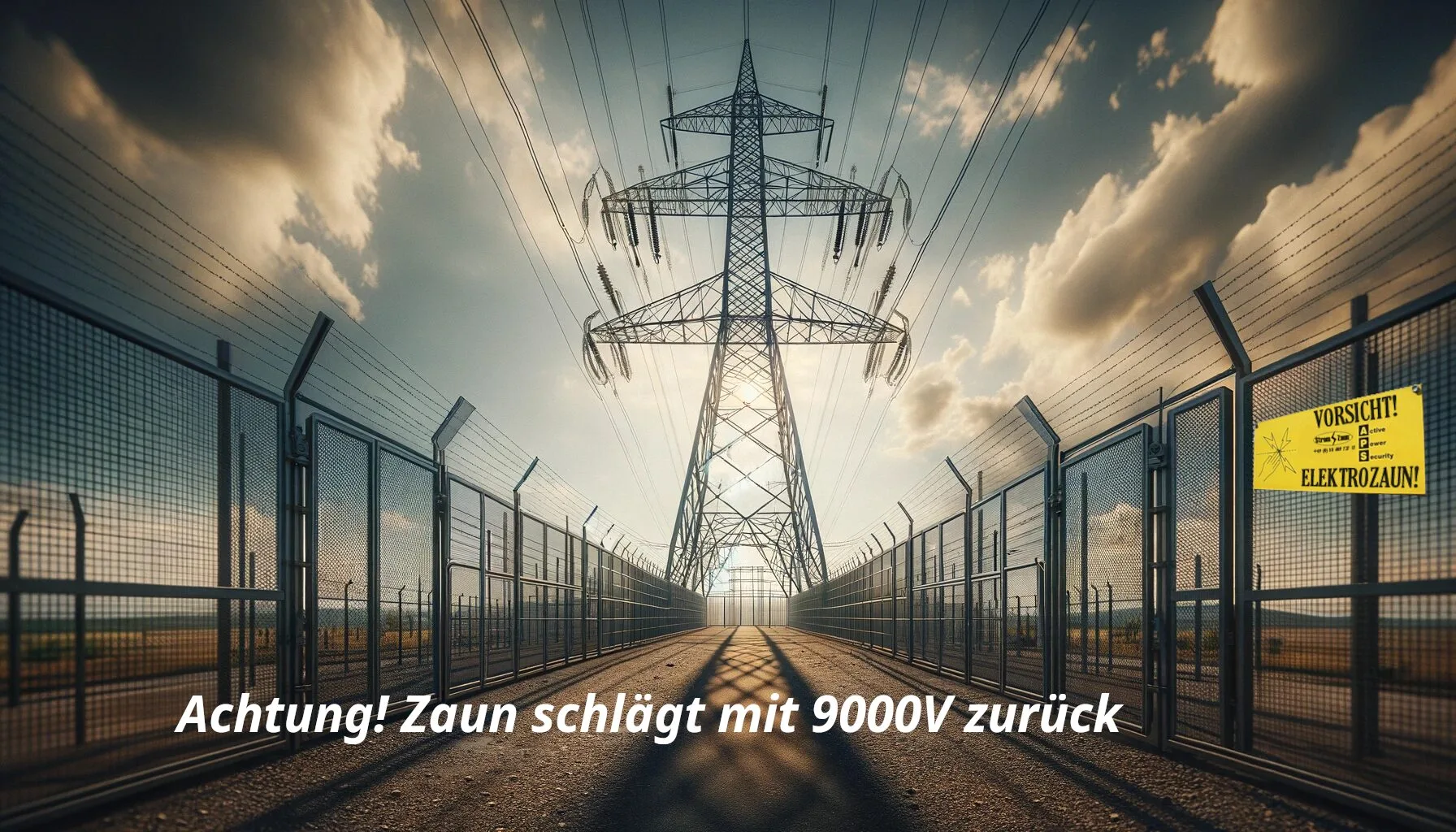
Protection for Critical Infrastructure
Read this article: Protecting Critical Infrastructure with Electric Fences—A Good Alternative to Barbed Wire
NATO Wire 2026: Uncoiled Length, Installation, and Request for Proposals for NATO Wire Rolls
NATO wire is a high-security solution for perimeter protection. It is used when a security fence alone is not sufficient. NATO wire significantly increases protection against scaling, but at the same time increases the risk of serious injury. Therefore, planning, installation, and operation must be carried out with great care. In practice, NATO wire is described by many different names, which often leads to misunderstandings in requests for proposals. You’ll often see “NATO wire” or “NATO Draht.” Internationally, terms like “razor wire” are common. Terms such as “blade wire,” “high-security wire,” or “concertina roll” are also used. For requests for proposals, however, a single name is never sufficient; you must fully specify the technical requirements.
rotec supports projects nationwide and, if necessary, throughout Europe. rotec oversees the entire process from planning to installation, which results in clearly defined points of responsibility. Barbed wire never stands alone; it must fit into a security chain.
Podcast: NATO Wire, Uncoiled Length, and Installation
New: In this industry podcast, rotec explains in practical terms what really matters when it comes to NATO wire. Errors often occur—particularly regarding the pull-out length, installation, and the bidding process—which can later lead to additional costs and delays.
The podcast supplements this technical article with concise and easy-to-understand practical tips.
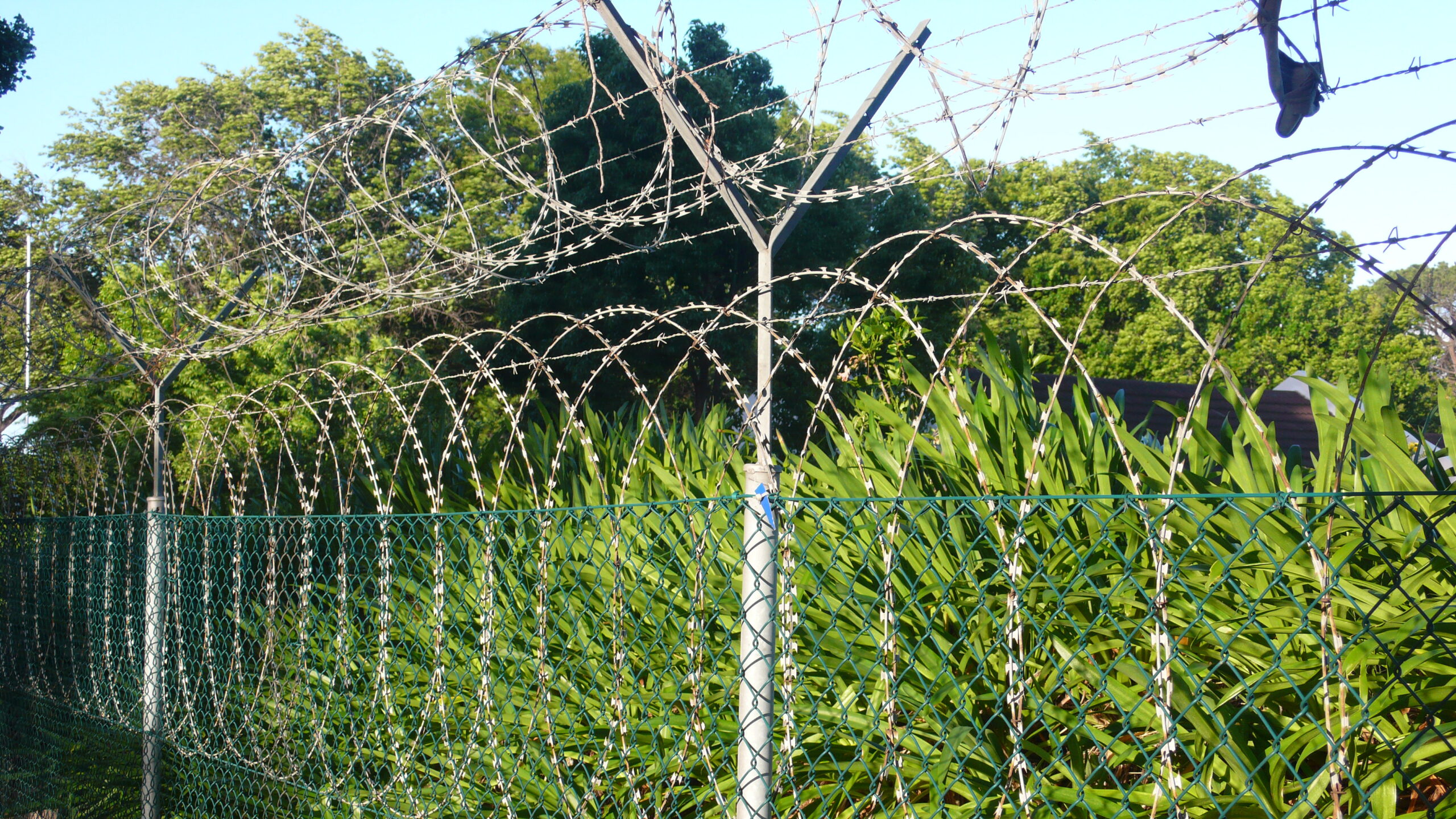
rotec supports projects nationwide and, if necessary, throughout Europe. rotec oversees the entire process from planning to installation, which results in clearly defined points of responsibility. Barbed wire never stands alone; it must fit into a security chain.
Summary: The key factors are the extended length, number of coils, roller diameter, material, and installation method. In correctional facilities, 52 to 56 coils are often required, and a maximum extended length of 3.9 m is frequently specified. For installation on Y-beams with a reel diameter of 450 mm, four rows of tension wire are required, and the tension wire must be barbed wire. If an electric fence system is already in place, NATO wire must not be used. In such cases, rotec often recommends the active electric fence security system.
About the rotec Electric Fence Safety System
Terms and names used to describe "NATO wire"
To ensure that you can be found on Google and that you understand tenders correctly, you should be familiar with the most important terms. These terms are often used interchangeably, even though the technical specifications are what matter most.
- Natural wire
- NATO Wire
- NATO Wire
- Razor Wire
- Blade wire
- High-security wire
- S Wire
- Barbed wire
- Barbed wire
- Concertina Roll
- Anti-climb Guard Roller
Search Tip: Some people also type "Nastodraht." They almost always mean "Natodraht.".
History and Classification
Wire barriers were initially used for perimeter security, and later they were deployed in areas where delay is critical. Delay is crucial in security strategies because it creates reaction time. This led to the development of systems with greater barrier effectiveness. Sharp-edged wire mesh provides a stronger deterrent than traditional barbed wire, which is why NATO wire is widely used in high-security environments.
For industry and critical infrastructure, the following applies: NATO wire is a high-security component and must therefore be planned as a security-critical system. This includes operation, maintenance, and clearly defined responsibilities.
What Is NATO Wire: Definition and Uses
Barbed wire is a physical barrier that is usually supplied in rolls. It is often mounted on top of fences to prevent people from climbing over them, and it can also be laid behind the fence. In addition, it can be arranged in a pyramid shape if space allows. The benefit is clear: it makes climbing over and jumping over the fence significantly more difficult, thereby increasing the time required for unauthorized entry.
NATO wire and barbed wire: The difference in practice
Barbed wire is a barrier with moderate effectiveness, and it is often used as a tension wire. NATO wire is significantly more aggressive, and its barrier effectiveness is much higher. At the same time, the risk of injury is significantly higher, which is why barbed wire is only advisable if access control, signage, and maintenance are properly regulated.
Technical Construction of a NATO Wire Spool
A NATO wire coil consists of a load-bearing core and a web material. The core absorbs tensile forces and stabilizes the shape. The web material provides the barrier effect. The coil is supplied in a spiral shape, and depending on the design, its geometry is maintained by connection points.
- Core wire as a load-bearing element
- Strip material with sharp edges
- Securing the tape to the core
- Spiral shape as a roll
- Connection points for stabilization, if required
S Wire Spool: Spring steel core, 2.5 mm
For S-wire rolls, rotec uses spring steel wire as the core wire, with a diameter of 2.5 mm. This increases dimensional stability and makes the roll more resistant to compression. This can be an important advantage when subjected to increased pressure from tampering.
Extension length and coil pitch: the most important metric
Many projects fail not because of the fence itself, but because of incorrect assumptions about the roll. Often, only the number of wraps is specified, and the uncoiled length is omitted. This leads to rolls being installed incorrectly, resulting in disputes, rework, or acceptance issues.
Rule of thumb: Fence installers should always ask their customers in writing for the desired extended length. Also, keep in mind that the length of the material on the roll is not the same as the extended length. The extended length is the distance when the fence is installed.
rotec Practical Guidance and Legal Protection Regarding Extraction Length
The following approximation is used to check for plausibility during the planning phase.
Formula: Extended length L = (number of turns minus 1) multiplied by the pitch T.
Important Note: This approximation is not a standardized calculation method. The measured extended length when the product is installed is the determining factor for delivery, acceptance, and billing. rotec recommends specifying the desired extended length in the contract and documenting acceptance in writing.
Calculation Example 1: 52 turns and 3.9 m extended length—what is the pitch?
Formula: L = (N minus 1) times T. Rearranged: T = L divided by (N minus 1).
Substitute: T = 3.9 m divided by 51. Result: T = 0.076470588 m. That is approximately 76.5 mm between turns.
Calculation Example 2: Coil spacing 10 cm—how long can a roll with 52 coils be unwound?
Formula: Extended length L = (N minus 1) times T.
Input: N = 52, T = 0.10 m. Calculation: L = 51 × 0.10 m. Result: L = 5.10 m.
Typical extension lengths: military, police, and civilian applications
In military and police applications, reels with 52 turns are typically deployed at lengths of approximately 6 to 8 meters. In civilian applications, these reels are often deployed to a length of approximately 10 to 12 meters. Reels with 52 turns should not be extended beyond 12 meters, because the spacing between the turns becomes too large, reducing their barrier effect.
Barbed Wire in the Correctional System: 52 to 56 coils, 3.9 m extended length, and material specifications
In correctional facilities, rolls with 52 to 56 windings are typically specified. In these facilities, these rolls are often limited to a maximum pull-out length of 3.9 m. This requirement must be included as a mandatory criterion in the specifications. In addition, it should be confirmed in writing prior to delivery, and upon acceptance, the unrolled length of each roll should be measured and documented.
Correctional facilities often assume that barbed wire is made of stainless steel. This must always be verified, and it must be specified in writing. Without a clear specification, there is a risk of acceptance issues.
rotec NATO Wire, Type US: Roll Sizes and Applications
With nearly 40 years of experience, the US-type NATO wire has proven to be a favorite at rotec. The US type is stocked as standard in three roll sizes, making it immediately available and ready for use.
- Diameter 450 mm and 720 mm, typically used as a climbing barrier on top of fences
- Diameter 950 mm, as a pyramid or placed behind the fence on the property side
Installation Options: Fence Cap, Underlayment, and Pyramid
Barbed wire is often mounted on top of the fence, where it provides a high level of security. Installing it behind the fence is advisable if a restricted zone can be established and if maintenance is organizationally ensured. The pyramid configuration is a variant that offers a high level of security, but it requires space and clearly defined responsibilities.
Minimum fence height and secure positioning to prevent climbing over
When installing barbed wire on top of a fence as a climb-over protection, the fence should be at least 2 meters high. This significantly reduces the risk of accidental injury to bystanders. This also applies to pyramids, as they must be installed behind an existing fence on the property side to prevent people and animals from coming into accidental contact with them.
Installation on Fence Tops: Stainless Steel Clamps and Workplace Safety
When installing NATO wire on fence tops, it is attached to the barbed wire as a tension wire using special stainless steel clips. Installers must wear appropriate safety gear during installation. This includes, for example, leather aprons and special gloves designed for installing NATO wire.
Installation on Y-beams: Tension wire, barbed wire, and drive-in eyelets
The following applies to installation on Y-beams with a roller diameter of 450 mm: Four rows of tension wire are needed. The tension wire must be standard barbed wire. A smooth wire can be pulled through the connecting rings, but barbed wire is much more effective at preventing this.
When installing the tension wire on the Y-beams, special drive-in eyelets must be used. These significantly reduce installation time and make it easier to ensure a uniform finish.
Retrofitting Existing Fence Systems: Y-Beams for Double-Bar Fences
For installation on existing fence systems, rotec supplies Y-brackets that can be placed on top of and secured to the existing posts. When submitting a request, it is necessary to provide the dimensions of the existing posts. rotec adapts the Y-brace mounts to fit the posts, ensuring a secure and consistent installation.
Wall Mounting: Wall Brackets for Walls
Many facilities have brick or concrete walls, and mounting equipment on them can be challenging. Edge clearances and the substrate are critical factors. rotec offers special wall mounts designed for installation on walls. In requests for proposals, wall mounts should be described as system components because they simplify installation and acceptance testing.
Gates and Doors: The Most Common Weak Points in the Security Chain
Gates and doors are typical weak points because they create transition points. For this reason, transitions between rolls, endpoints, corners, and areas above gates should be planned separately. At the same time, maintenance routes must be regulated, and access must remain possible under controlled conditions.
System Limitation: Barbed wire and electric fences must not be used together
If an electric fence is already installed on a property, barbed wire must not be used. In open areas with a high risk of theft, rotec recommends the electric fence security system.
Barbed wire enhances mechanical deterrence but does not replace an active alarm system on the fence. For this reason, combining barbed wire with sensor-based fence monitoring can be a practical solution for many existing facilities. Read more in the article Combining NATO wire and Rotec APS Flexiguard.
rotec Electric Fence Security System
Preventing Cable Theft in Solar Farms
Decision Guide: When Is Barbed Wire the Right Choice, and When Is Another System Better?
NATO wire is a good choice if you have a clearly defined property line and if maintenance and access control are reliably organized. NATO wire is not suitable if public traffic passes very close to the barrier or if maintenance is not safely organized. If an electric fence is already in place, NATO wire is not an option, and in that case, a continuous electric fence system makes sense.
Legal Consequences: Operator Obligations Described in Neutral Terms
Barbed wire can cause serious injuries, and this gives rise to certain obligations for operators. Unauthorized contact must be prevented, and warning signs should be posted. In addition, responsibilities for inspections must be clearly defined. This article is not a substitute for legal advice, and local regulations take precedence.
Common Mistakes and Solutions
- Error: Bidding based solely on the number of turns. Countermeasure: Determine and measure the extension length precisely.
- Error: We accept donations of materials. Countermeasure: Specify the material specifications in writing; pay particular attention to stainless steel specifications.
- Error: The installation method is unclear. Countermeasure: Clearly describe whether it is a fence crown, a base, or a pyramid.
- Error: There are no transitions at the goals. Countermeasure: Plan transitions carefully and describe them in the specifications.
- Error: Smooth wire as tension wire. Countermeasure: Use barbed wire, because smooth wire can be pulled through the connecting rings.
- Error: No tie-down eyes provided. Countermeasure: Specify drive-in eyelets, as they significantly reduce installation time.
- Error: Fence post dimensions are missing. Countermeasure: Provide the post dimensions so that the Y-beams can be adjusted.
- Error: The electric fence inventory is being overlooked. Countermeasure: Check the inventory, then rule out barbed wire.
- Error: The fence is too low, or the pyramid is easily accessible. Countermeasure: The minimum fence height is 2 m, and pyramids should only be installed behind the fence.
Checklist: How to Properly Specify and Safely Install NATO Wire
- Assess risks and the operating environment, and evaluate the company's connection to the public.
- Check your inventory and make sure to exclude electric fence systems.
- Specify the installation type, and define the fence crown, base, or pyramid.
- Check the minimum fence height, and ensure that the top of the fence is at least 2 m high.
- Plan to place pyramids only behind the existing fence on the property side.
- Specify the roller diameter and select 450 mm, 720 mm, or 950 mm.
- Specify the number of turns and the draw length in a binding manner, and make acceptance criteria measurable.
- Specify the material specifications in writing and verify the assumptions regarding stainless steel.
- Specify the support system, and define the Y-bracket or wall mount.
- For Y-shaped supports, use tension wire as barbed wire.
- Mark the locations for the tension wire mounting eyes on the Y-beams.
- For existing fences, please specify the post dimensions so that the Y-braces can be adjusted accordingly.
- Plan transitions at gates and doors so that there are no gaps.
- Define occupational safety and make the use of special gloves mandatory.
- Conduct the acceptance inspection and document the pull-out lengths for each roll.
FAQ: NATO Wire, Natodraht, and Common Search Queries
What is a practical pull-out length for NATO wire rolls with 52 turns?
In government settings, lengths of 6 to 8 meters are common. In the civilian sector, lengths of 10 to 12 meters are common. Lengths longer than 12 meters are generally not practical because the barrier effect decreases.
Why does the extension length always have to be included in the request for proposals?
Because the number of turns alone isn't enough, and because otherwise the rolls would be laid differently. Without a defined uncoiling length, acceptance issues and rework arise.
How do you calculate the pitch for 52 turns and a extended length of 3.9 m?
You use T = L divided by (N minus 1). For 3.9 m and 52 turns, that comes out to about 76.5 mm.
How long can a coil with 52 turns be extended if a turn spacing of 10 cm is required?
You use L = (N minus 1) times T. With 52 turns and 10 cm, that comes to 5.10 m.
Why shouldn't a spool with 52 turns be unwound beyond 12 meters?
Because the spacing between the coils becomes too large. This reduces the barrier effect and creates larger gaps.
How is NATO wire attached to the top of a fence?
It is common to use barbed wire as tension wire. The roll is secured with stainless steel clips, and installation must be carried out with care.
What protective clothing is required when installing barbed wire?
It is important to wear sturdy protective clothing and appropriate specialty gloves. Leather aprons may also be useful.
How many tension wires are needed when mounting on Y-beams?
Four rows of tension wire are used for installation on Y-beams with a roller diameter of 450 mm. The tension wire must be barbed wire.
Why is barbed wire better than smooth wire for use as tension wire?
A smooth wire can be pulled through the connecting rings. Barbed wire prevents this much more effectively, which keeps the guide more stable.
Can barbed wire be retrofitted to existing double-wire mesh fences?
Yes, that is often possible. rotec supplies Y-brackets for retrofitting. To do so, the post dimensions must be specified in the request.
What is a reasonable minimum fence height for barbed wire at the top of the fence?
As a general rule, the fence should be at least 2 meters high. This significantly reduces the risk of accidental injuries.
Where are NATO-style barbed-wire pyramids allowed to be erected?
Pyramids must be installed behind an existing fence on the property line. This prevents accidental contact with people and animals.
Can NATO wire be used if an electric fence is already in place?
No. If a facility already has an electric fence, barbed wire must not be used. In that case, a continuous electric fence system is the right approach.
Is stainless steel automatically expected for NATO wire in the correctional system?
This is often assumed. That is why the material specifications must always be set forth in writing.
Is barbed wire prohibited?
Barbed wire is not prohibited across the board. The decisive factors are the location of use, the operator’s obligations, and the specific design. If the requirements are unclear, the client should seek clarification.
Is barbed wire allowed?
In many areas, barbed wire is generally permitted provided it is properly planned and safely installed. It is essential that any risk of accidental injury be eliminated.
Where can you buy barbed wire?
Barbed wire should be procured as a complete system. This includes the roll, fasteners, accessories, and an installation plan. For bids, the extended length, number of coils, diameter, material, and installation method are key factors.
Injuries from barbed wire: How can they be prevented?
Injuries are primarily caused by improper installation or a lack of occupational safety measures. They can also result from equipment that is accessible to bystanders. These injuries can be prevented by ensuring a minimum fence height, safe positioning, warning signs, and the use of special gloves.
How to Install Barbed Wire Properly
Depending on the application, barbed wire is installed on the top of the fence, on Y-shaped supports, in a pyramid shape, or as a backing behind the fence. The key factors are a specified stretch length, uniform spacing between coils, and secure connections.
What does "NATO wire" mean in the context of the Bundeswehr?
This term is being searched for because NATO wire is known as a barrier material in military applications. For civilian projects, the security objective, extended length, and coil spacing must be clearly defined.
How Is Barbed Wire Made?
NATO wire coils combine a carrier wire or core with barbed tape. This is formed into a coil with a defined geometry. For bids, it is crucial that the extended length, diameter, material, and installation method be clearly specified.
Glossary
- Extended length: A length that covers a roll when installed.
- Number of turns: Number of spiral turns on a roll.
- Coil spacing: Distance between two coils when fully extended.
- Y-beam: Support profile for barrier elements on the top of the fence and for retrofitting.
- Tension wire: Rows of wires for guiding and securing the roll.
- Stainless steel clips: Clamps for attaching the roll to the barbed wire as a tension wire.
- Overclimb Protection: A component that makes it difficult to climb over or jump over.
- Filing: Move the barrier behind the fence on the property side.
- Pyramid: Setup with multiple rolls as a restricted area.
- Acceptance Report: Documentation of measurement values and visual inspection upon handover.
Contact and Next Steps
When it comes to high-security components, clean processes are essential, which is why clear specifications regarding extension length, material, and installation method are crucial. You can find the latest rotec certificates here:
If you want to request a quote for or retrofit NATO wire, we'll work with you to determine the length, material, and installation method. Please use the request form for this:
Source: Practical information, installation details, and recommendations are based on rotec's experience and on the rotec pages linked in this article.
<Injury-Free Training Cable for Military Training
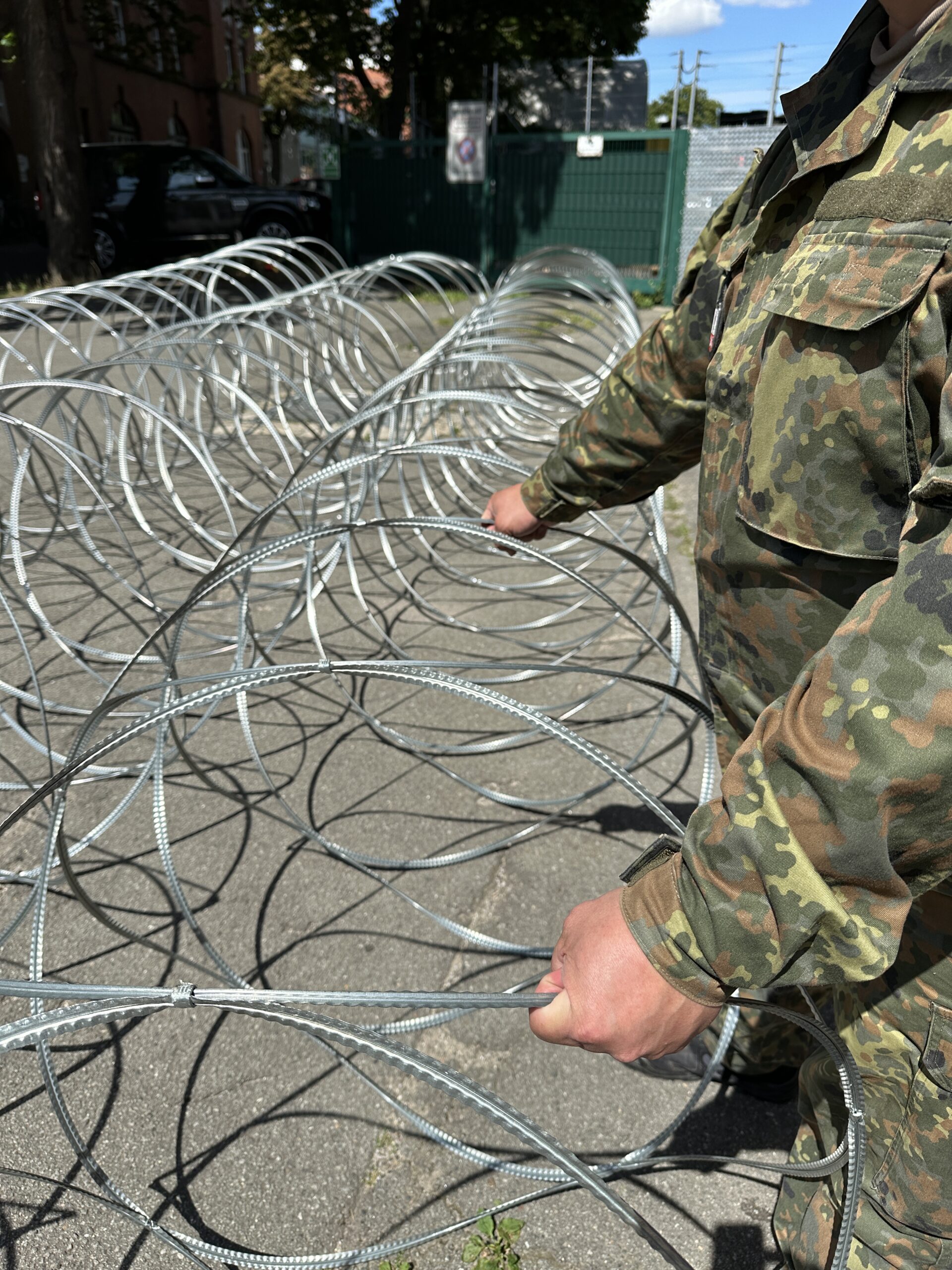
In military and police training facilities, the safety of trainees has top priority. Conventional NATO wire (also known as blade wire, barrier wire or razor wire) with razor-sharp blades poses a considerable risk of injury, particularly during handling and training. To minimize this risk and still offer realistic training conditions, rotec presents the innovative solution: reusable NATO wire training reels without blades.
Further information on the training wire can be found here.
>



 EN
EN  DE
DE  ES
ES  FR
FR  IT
IT  NL
NL  PL
PL  TR
TR
Dear rotec Team,
I own a commercial property in Cologne located in an industrial area. The property is unguarded and is currently secured with a double-wire mesh fence with a total length of 486 meters. In addition, barbed wire is strung along the top of the fence, as we originally wanted to protect our company premises as effectively as possible against unauthorized entry.
Unfortunately, despite this security measure, break-ins continue to occur. The perpetrators either cut a hole in the double-bar fence or remove sections of the barbed wire to gain access to our property. This regularly results in significant damage, repair costs, and considerable security risks for our company.
I read on your blog that an electric fence should not be installed together with barbed wire. This raises the question for us: Is there a practical alternative that would allow us to secure our existing fence electronically without having to remove the existing barbed wire?.
Is there a reliable solution—such as a fence alarm system, electronic fence monitoring, or another security system—that can detect and report attempted break-ins early on? Above all, it is important to us that the existing double-wire mesh fence with barbed wire can be retained and that our unguarded company premises will be significantly better protected in the future.
Can you recommend a professional solution for this?
Sincerely,
Michael from Cologne
Dear Michael,
Thank you very much for your inquiry and the detailed description of your fence situation.
Yes, there is a practical solution for your existing double-bar fence with NATO wire. The existing fence can be further secured with our Flexiguard electronic security system. In most cases, the NATO wire does not need to be removed.
Flexiguard is a fence alarm system designed for the electronic monitoring of existing fence installations. The system detects typical attempts to tamper with or breach the fence, such as cutting, vigorous shaking, climbing, or forcibly opening individual sections of the fence. As soon as such an attack is detected, an alarm is triggered and can be forwarded to a monitoring center, a security service, or designated contacts.
Electronic fence monitoring is particularly useful for an unguarded commercial property with a fence length of 486 meters. The fence can be divided into several monitoring zones. This makes it possible to identify, in the event of an alarm, exactly which section of the fence is being breached. This enables a significantly faster response and reduces the risk of intruders gaining access to the premises unnoticed.
The existing double-wire mesh fence remains in place as a basic mechanical security measure. The existing barbed wire continues to serve as an additional barrier against climbing over the fence. Flexiguard supplements these existing security measures with electronic early detection of attempts to breach the fence.
Our recommendation is therefore: The existing fence does not necessarily need to be replaced. It can be retrofitted with Flexiguard, thereby providing significantly better protection against unnoticed break-in attempts.
We would be happy to inspect your fence system and develop a customized security plan for your commercial property in Cologne.
Sincerely,
Your rotec Team