
Content updated on September 12, 2026.
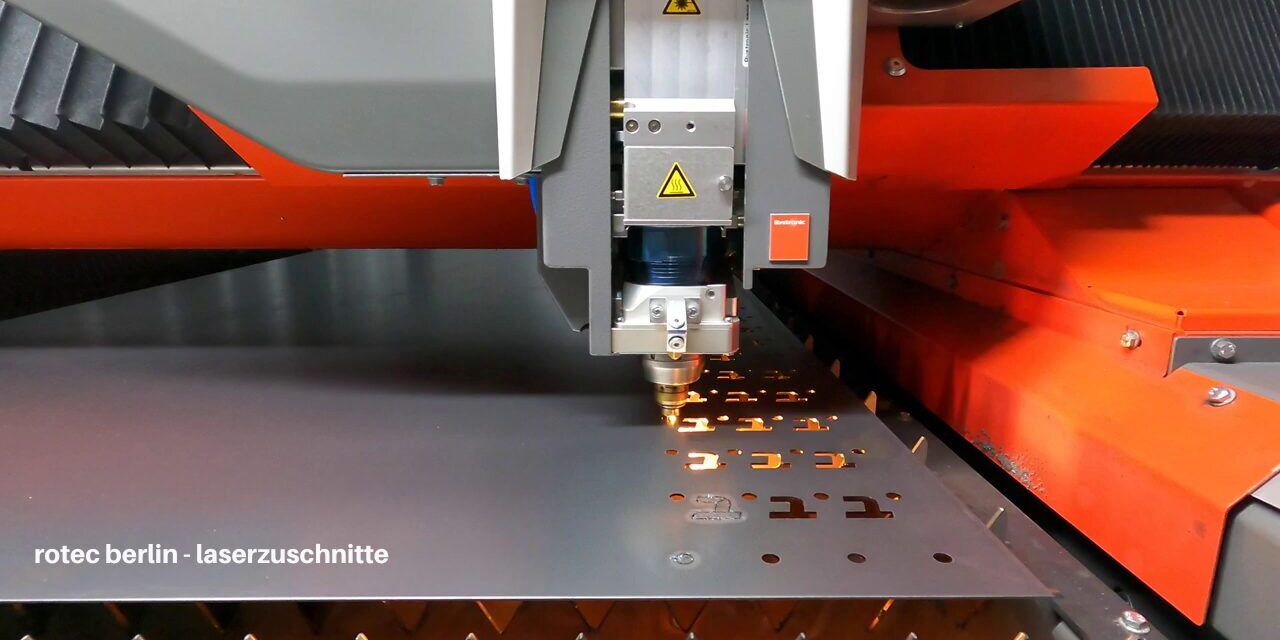
Laser Cutting in Berlin: rotec manufactures laser-cut parts from steel, stainless steel, and aluminum according to drawings. We can produce individual parts, small batches, and recurring production runs. Upon request, we can combine cutting with bending, machining, and assembly. This allows you to coordinate related production steps early on with a single point of contact.
To provide you with an accurate quote, we need the material, sheet thickness, quantity, and your drawing specifications. Equally important are the functional dimensions, edge requirements, and the desired delivery date. This will help us determine whether the component can be delivered as-is after laser cutting or if additional machining is required.
Submit a drawing and request laser-cut parts
Laser Cutting in Berlin: Materials, Sheet Thicknesses, and Sizes
At rotec, we can laser-cut steel and stainless steel up to 15 mm thick, as well as aluminum up to 12 mm thick. These values represent the maximum capabilities. Actual feasibility also depends on the alloy, surface finish, and component geometry.
| Material | Maximum sheet metal thickness | Clarify before production |
|---|---|---|
| Steel | 15 mm | Material quality, contour, and final surface finish |
| Stainless steel | 15 mm | Material number, visible side, and surface condition |
| Aluminum | 12 mm | Alloy, material condition, and planned bends |
| Copper and brass | Upon request | Check the material, thickness, and geometry on a project-by-project basis |
Source for material-specific thicknesses: rotec Laser Cutting Services Overview. Depending on the material and contour, sizes up to 1,500 × 3,000 mm are possible. We will confirm the maximum usable component size based on your drawing. Edge clearances and the arrangement on the sheet metal panel may play a role in this.
Laser Cutting of Steel for Brackets, Covers, and Structural Components
Steel is suitable for many functional components in mechanical engineering and metal fabrication. However, the specific material grade and the intended application are crucial. If the part requires corrosion protection, the planned coating should be specified in the request. In addition, cut edges and connections must be suitable for subsequent machining.
Laser Cutting of Stainless Steel for Functional and Visible Components
For stainless steel, please specify the material number and surface finish. This is because the term „stainless steel“ alone does not indicate a specific level of corrosion resistance or appearance. Please mark the visible sides and the desired grinding direction. This will allow us to tailor the protective measures, processing, and packaging to sensitive surfaces.
Laser-cutting aluminum and preparing it for bending
Aluminum makes it possible to produce lightweight sheet metal parts. However, the alloy and material condition are crucial for further processing. If the blank is to be formed into a bent part, we therefore match the material to the bending geometry. A thickness value alone is not sufficient for this decision.
How does laser cutting of sheet metal work?
In laser cutting, a focused laser beam cuts the specified contour out of a sheet of metal. The beam heats the material locally, while a process gas assists the cut. The digital drawing defines outer contours, cutouts, and hole patterns. This allows different parts to be manufactured without requiring a separate punching die for each one.
This process is suitable for custom shapes and recurring contours. However, the cut quality depends on the interaction of several factors. These include material, thickness, contour, cutting parameters, and process gas. Very small openings, narrow webs, and closely spaced cutouts therefore require a feasibility assessment.
Process gas and the cut edge affect further processing
In fusion cutting, an inert gas aids in the removal of the molten material. In oxy-fuel cutting, on the other hand, oxygen can provide additional reaction energy. This also results in different requirements for subsequent edge finishing. The fundamentals of the process are explained TRUMPF on Laser Beam Melting Cutting. However, this does not imply a blanket guarantee of a cut edge that requires no rework.
When is a laser-cut pattern worth it?
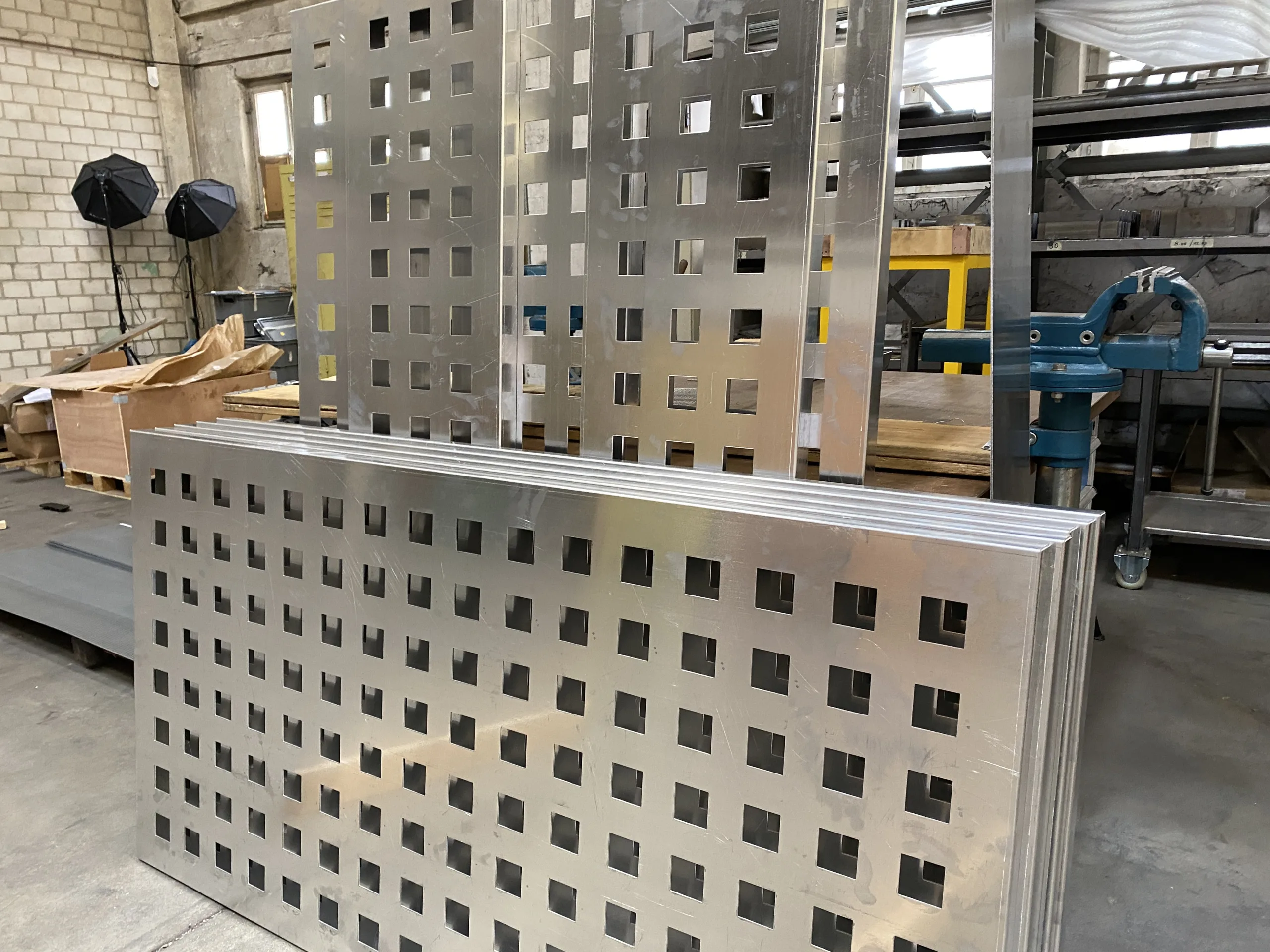
Custom hole patterns are useful when the position, shape, or edge clearances differ from standard perforations. For uniformly perforated surfaces, however, using existing perforated sheet metal may be more cost-effective. The key factors are the quantity, the percentage of the surface that is perforated, and subsequent processing. Our Technical Article on Perforated Sheets and DIN 24041 explains the most important selection terms.
How to Properly Prepare CAD Data for Laser Cutting
For two-dimensional cutting contours, DXF or DWG files are recommended. An accompanying PDF drawing provides dimensions and specifications. For folded parts or assemblies, a STEP model can also be helpful. We will determine which data we need and can accept based on the specifics of your project.
The cutting contour and the drawing must match
Provide closed contours and remove duplicate lines. Dimension lines, frames, and notes should not be included in the contour to be cut. In addition, the unit, scale, and drawing revision must be clearly specified. If the CAD file and the PDF do not match, production cannot be approved until the discrepancy has been resolved.
Name each item in a way that is easy to understand, and use the same designation in the bill of materials, file, and request. This also makes it easier to place repeat orders later. If a change is made, the new revision status should be clearly identifiable. Otherwise, older and current geometries may get mixed up in the same order.
STEP describes the component; the implementation requires coordination
A 3D model shows bends, connections, and the planned installation position. However, a suitable flat pattern is required for the flat blank. This depends, among other things, on the material, bend radius, and manufacturing process. Therefore, please clarify whether your flat pattern is final or whether rotec should adjust it for the intended manufacturing process.
Explicitly label functional dimensions and visible surfaces
An assembly drilling pattern can be more important than a non-critical outer edge. Therefore, mark functional dimensions, reference edges, and required fits. Also specify visible surfaces, protective films, and edge requirements. This ensures that the technical review focuses on the characteristics that your component must actually meet.
If you only have a sketch, please send it to us first along with the available dimensions. We will then determine the additional effort required for data preparation. However, an incomplete drawing should not be considered a binding production approval.
Specifying Tolerances and Cut Quality for Laser Cutting
A general specification of precision does not replace agreed-upon component tolerances. The decisive factors are the function and the condition in which the part is to be inspected. A flat laser-cut blank may require different inspection criteria than an assembly that is subsequently folded or welded.
What does DIN EN ISO 9013 cover?
The DIN EN ISO 9013:2025-04 covers the classification of thermal cuts, as well as geometric product specifications and quality. The title is „Thermal Cutting, Classification of Thermal Cuts, Geometric Product Specification, and Quality.“ It is based on ISO 9013:2017 with Amendment Amd 1:2024.
However, the reference to the standard does not automatically define every requirement of your order. Please specify the required quality characteristics and agree on their application before production begins. Additional specifications may be required for fits or hole patterns critical to assembly.
Tight fits may require mechanical finishing
Not every functional hole should be created exclusively by laser cutting. If a joint requires a high degree of dimensional accuracy, subsequent drilling or another machining process may be appropriate. That is why we evaluate such features in conjunction with the entire manufacturing process. This prevents a cost-effective cutting solution from resulting in additional costs during assembly.
Consider the edges, coating, and test condition together
Coatings alter surfaces and can affect fitting dimensions. Similarly, bending and welding can affect the geometry. Therefore, specify which dimensions apply to the finished part. If special measurements or test reports are required, they should already be included in the quote.
From Laser Cutting to a Ready-to-Assemble Component
rotec combines laser cutting with other sheet metal fabrication processes according to project requirements. Services include, among others, press braking, machining, and the production of assemblies. If you request these services together, we can coordinate contours, connections, and the production sequence.
Deburring should be included in the technical specifications
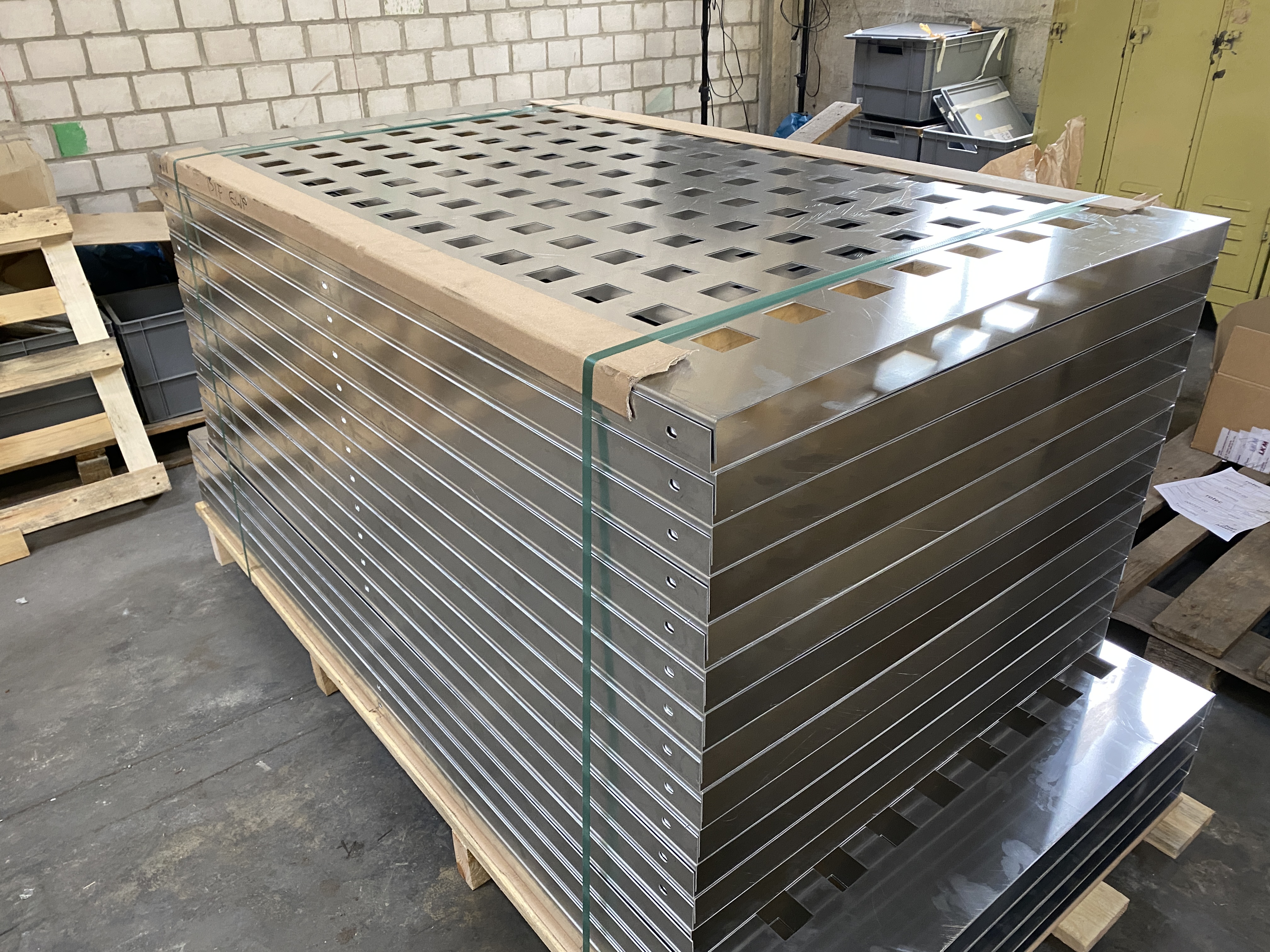
At rotec, nearly all laser-cut parts are deburred as standard. We coordinate any deviations on a per-order basis. This helps reduce sharp edges and unwanted burrs. However, deburring does not automatically mean a defined edge radius or a finished visible surface. You should explicitly specify such requirements.
Combine laser cutting and bending early on
The distance between holes and the bend line, flange lengths, and radii all affect formability. That is why we consider the blank together with the resulting folded part. Our article explains how to prepare bending specifications. Sheet Metal Bending and Folding in Berlin. There you will also find information on springback and relevant drawing specifications.
Include Threads, Countersinks, and Welded Assemblies in the Design
A laser-cut hole is not the same as a threaded hole. Therefore, please specify thread sizes, countersinks, and other machining features separately. For welded assemblies, we also need information on connections and joint requirements. The overview of the Sheet Metal Fabrication at rotec shows the related services.
Surface treatment is also part of the production planning process. If you require a coating, special visible surfaces, or protective packaging for shipping, please let us know as early as possible. This will allow us to define the scope of the quote and finalize any additional details before production begins.
Laser Cutting in rotec Practice
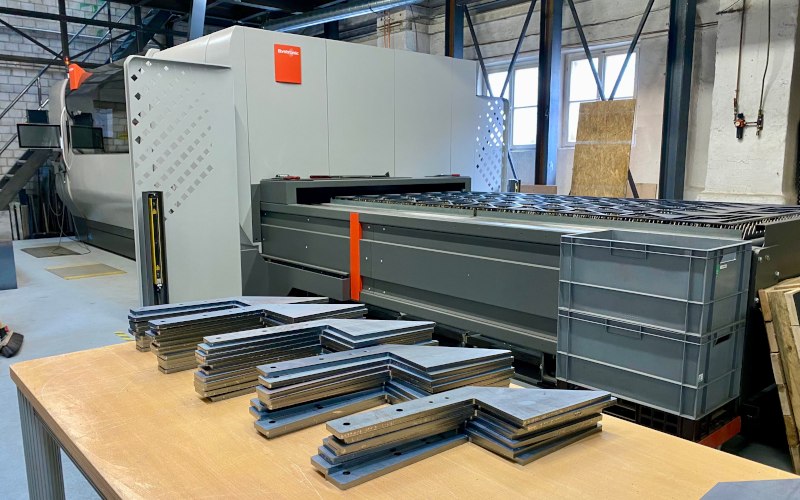
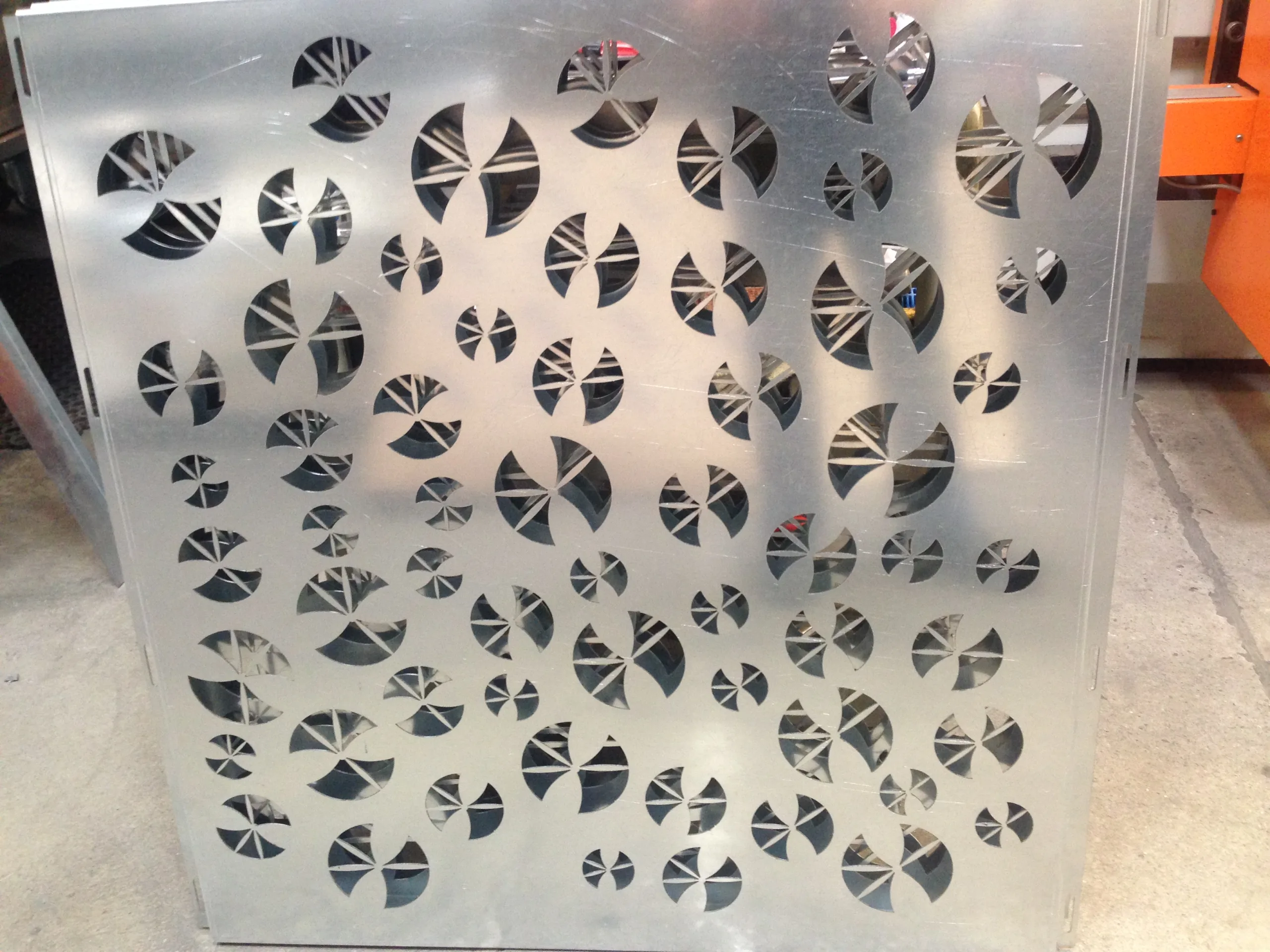
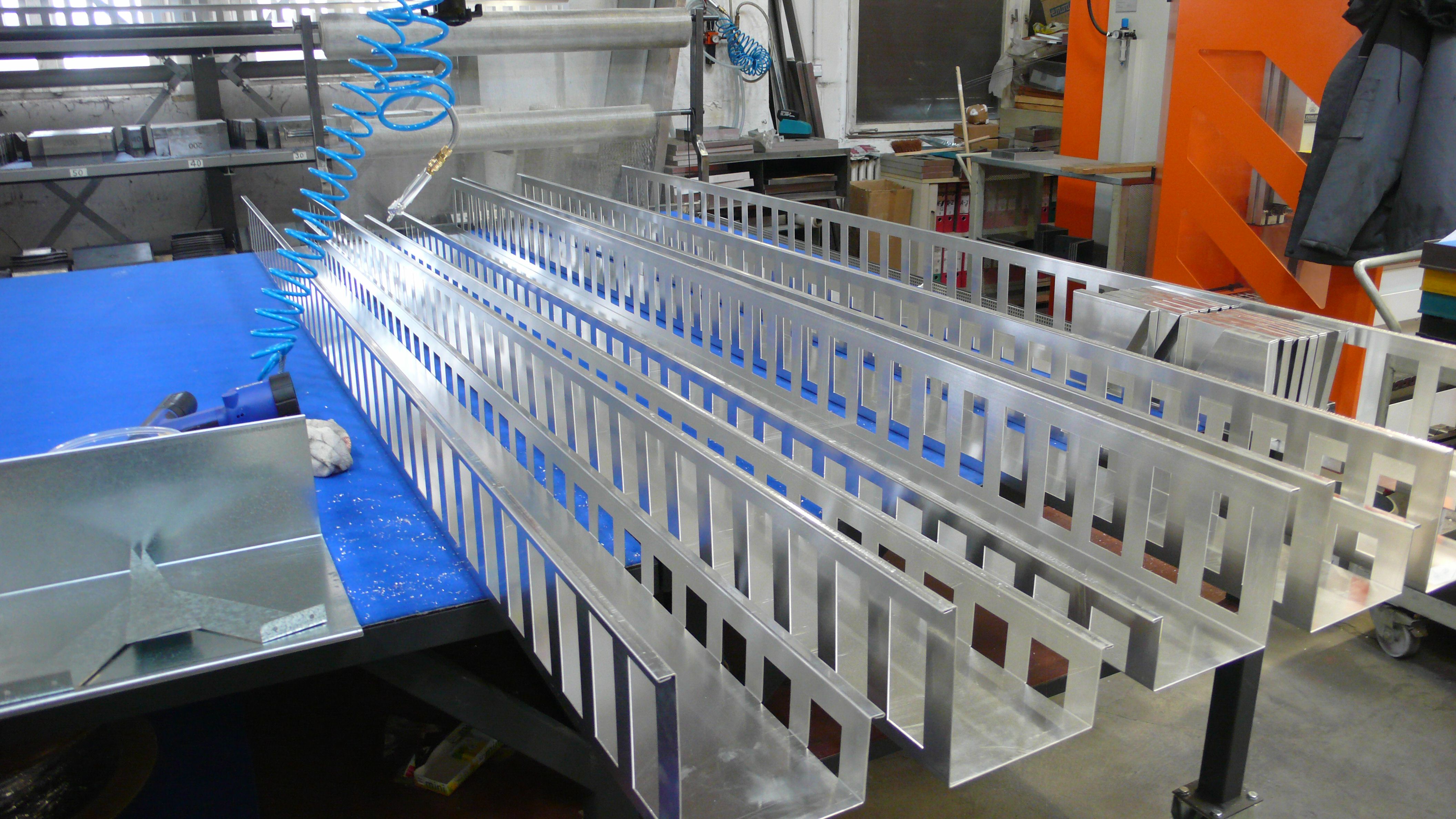
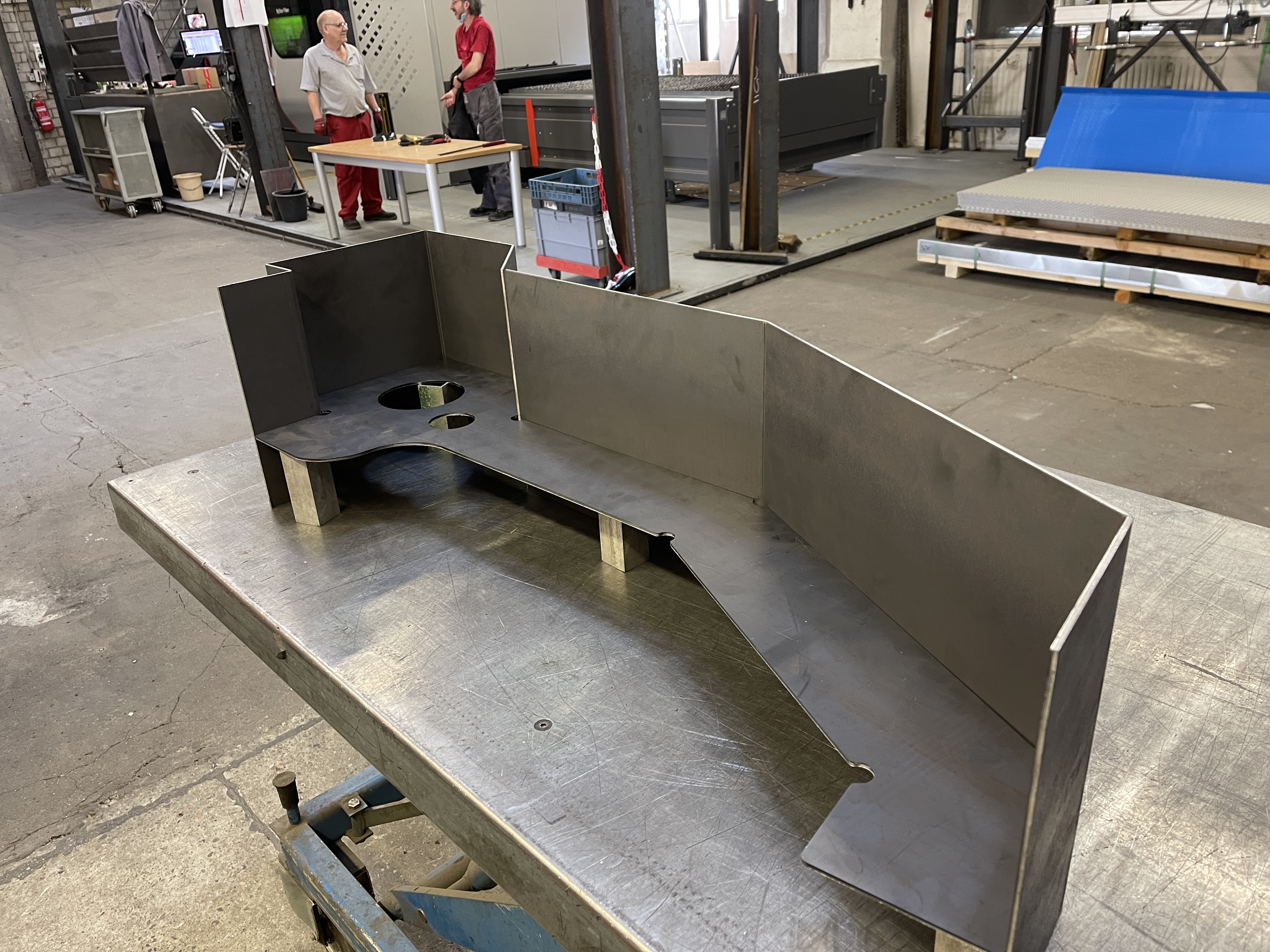
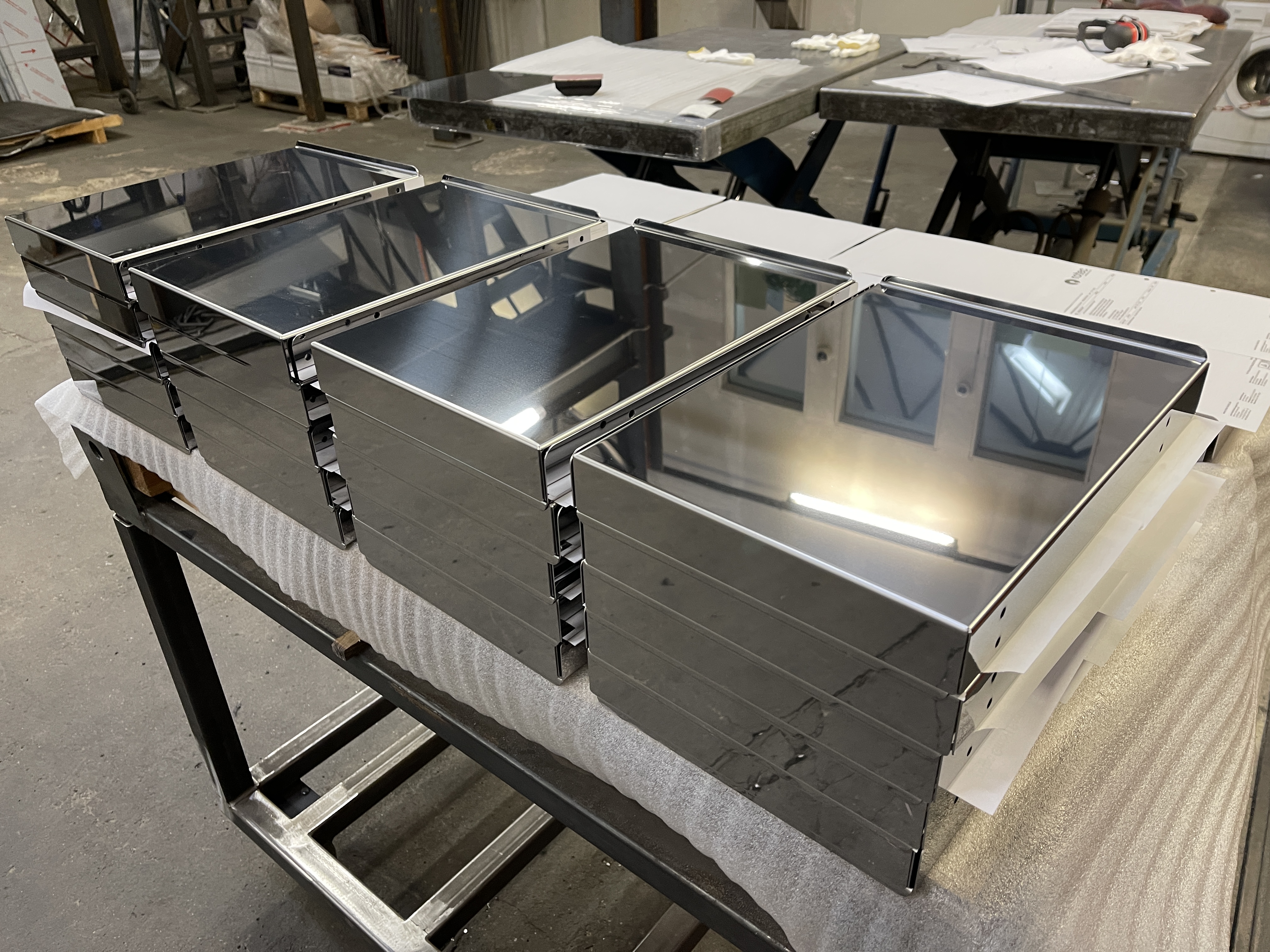
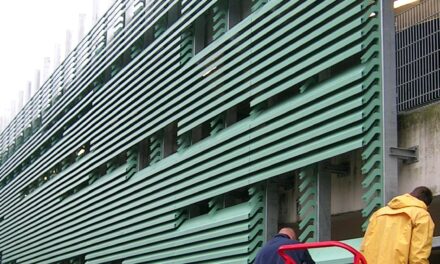
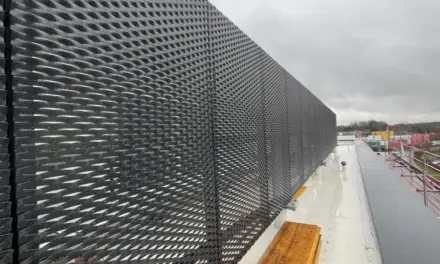
The following original images show the wide variety of applications for laser-cut parts. They range from brackets and perforated sheet metal components to covers and architectural applications. These examples demonstrate the possibilities of laser cutting. However, determining the right design for your project requires a separate technical evaluation.
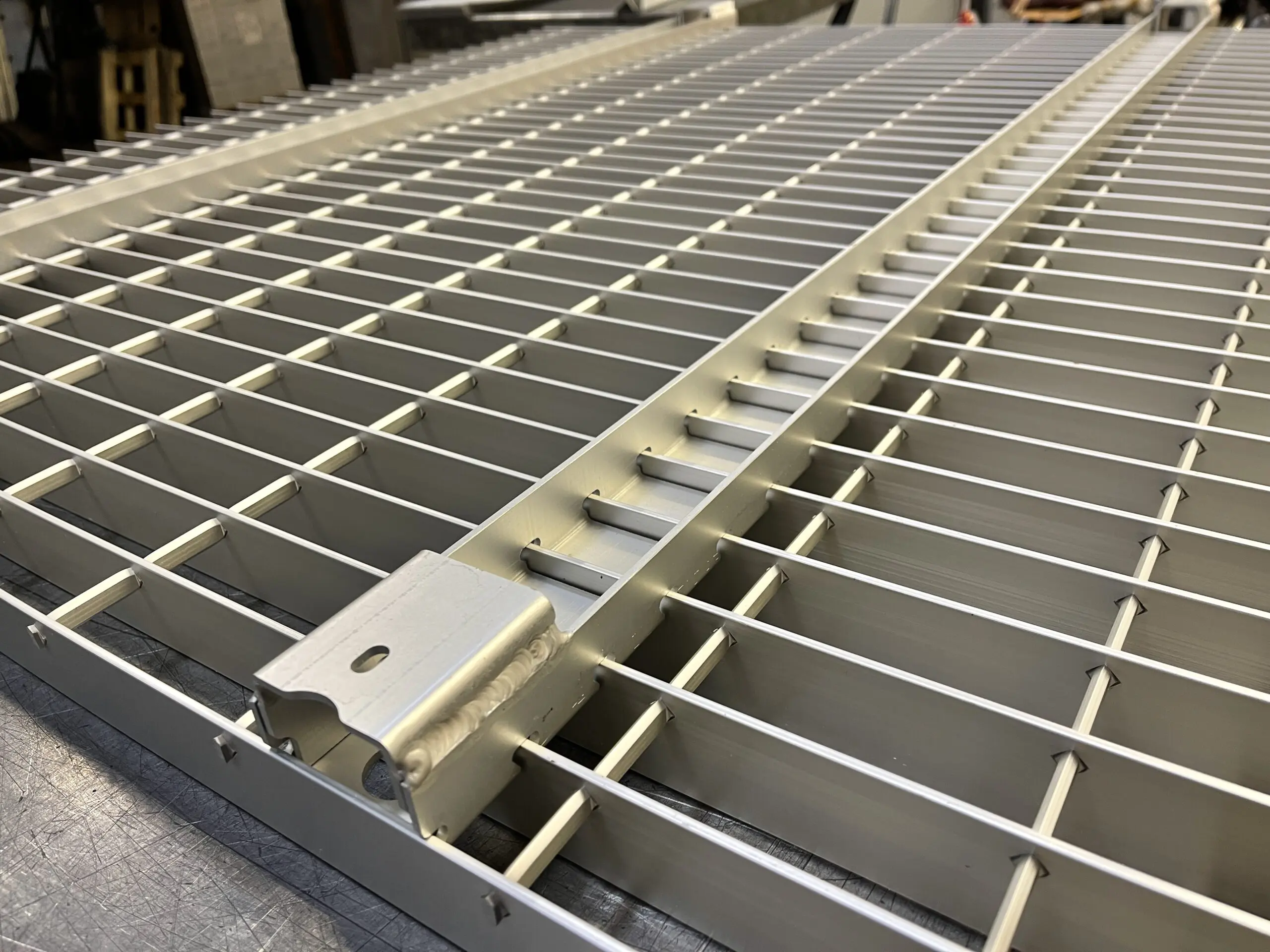
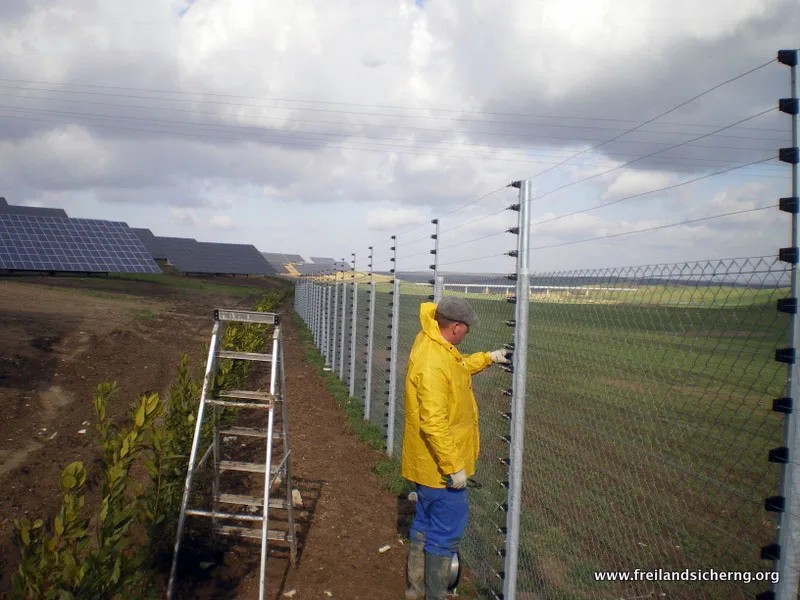
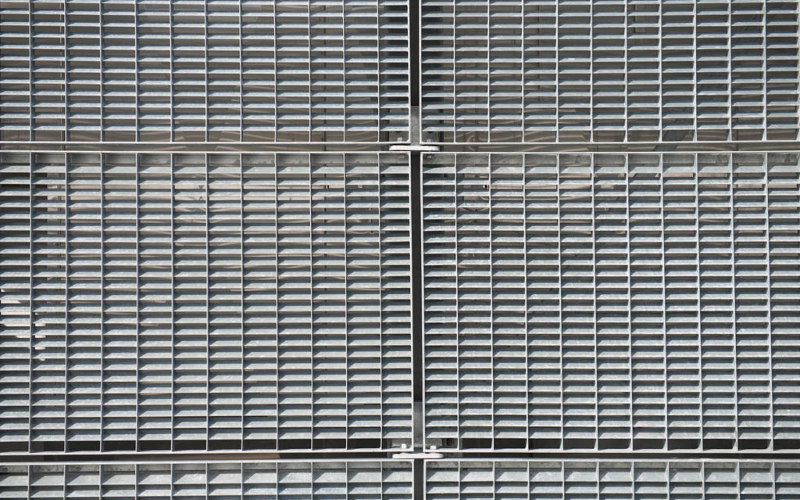
Brackets for grating, facades, and fencing systems
When selecting a mounting bracket, the key factors are the contour, hole pattern, and mounting surfaces. This is illustrated by the examples of ceiling grating, fence posts, and grating facades. A properly cut piece makes subsequent installation easier. However, the load-bearing capacity, fasteners, and installation conditions must be appropriate for the specific application.
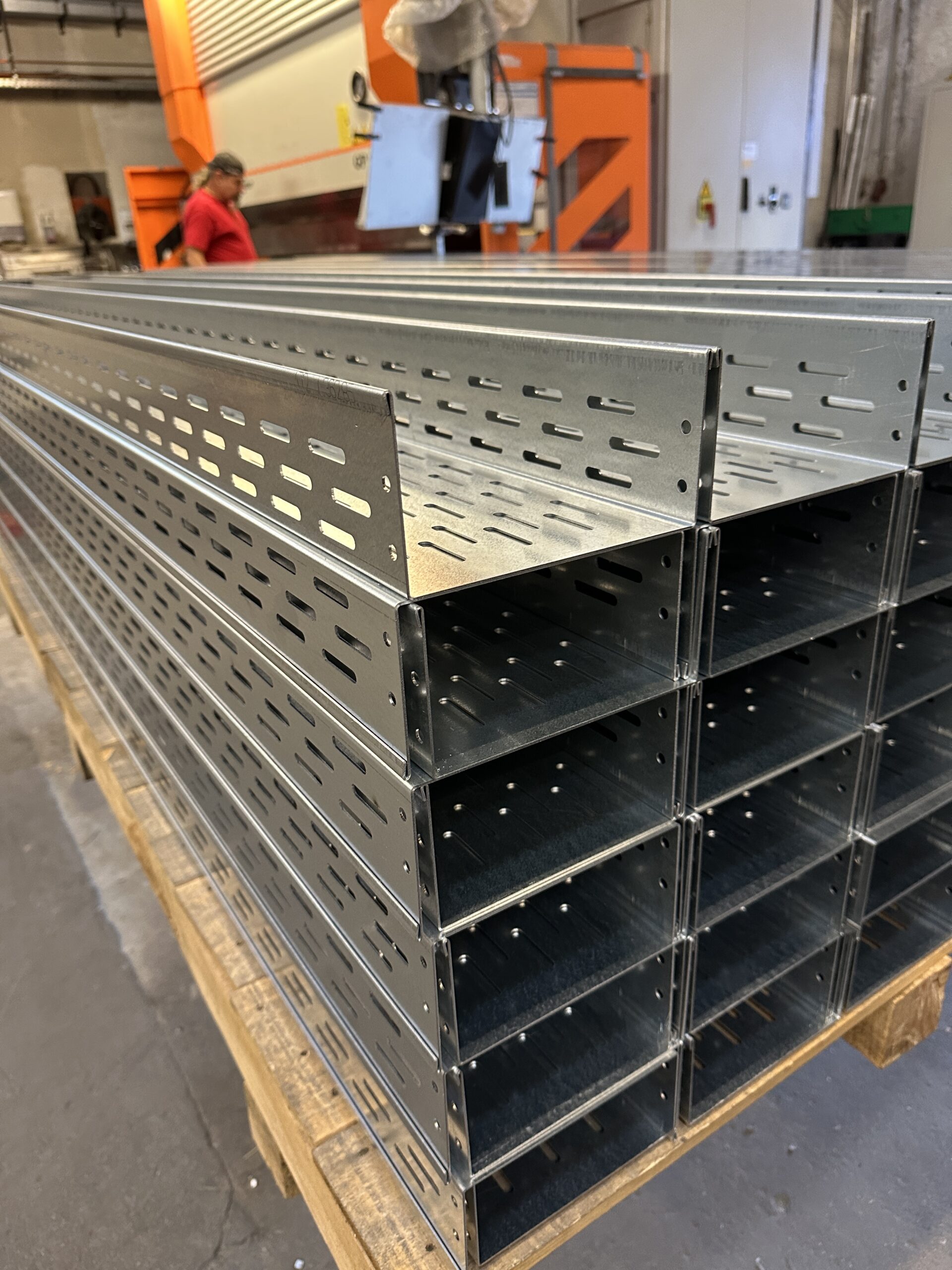
Cable trays and covers connect multiple work steps
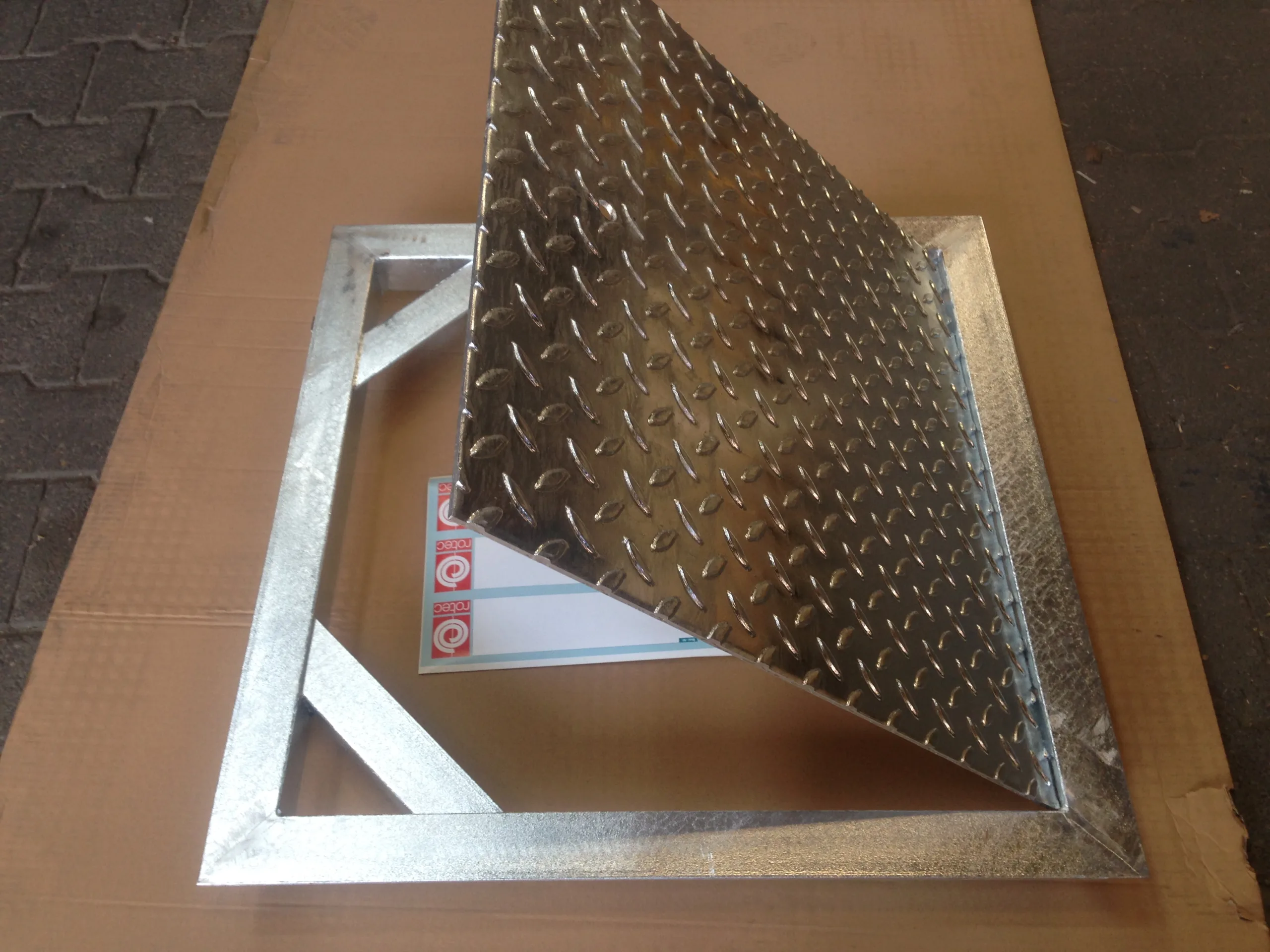
The cable routes shown connect hole patterns with folded edges. The pump sump cover consists of a perforated metal flap and a frame. In this case, the intended use already influences the design. Therefore, installation dimensions, opening direction, and connections should be determined before cutting.
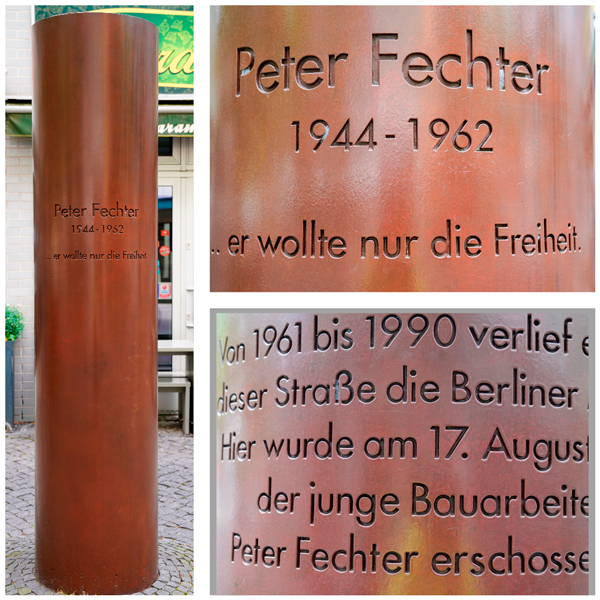
Design with cutouts and text outlines
Laser cutting also allows for decorative contours and cut-out lettering. The memorial to Peter Fechter showcases a design application from rotec’s portfolio. When creating new designs, narrow bridges and internal contours must be taken into account during the design process. A clearly legible template alone does not guarantee a suitable cutting file.
Laser-cutting side panels for frames made of structural profiles
A profile frame often requires matching side panels, back panels, or covers. rotec cuts these sheet metal panels with a laser in-house according to the agreed-upon dimensions. External contours, cutouts for wiring, and mounting holes can be designed together with the frame. We tailor the material, sheet metal thickness, edges, and fasteners to the intended use.
Our guide shows you how to prepare the frame and its connecting parts Select, cut, and join structural profiles with a disassemblable 3D educational model. If you need a complete solution, we can Jointly design, manufacture, and assemble structures made of aluminum profiles on site. You can find profiles and accessories to create your own custom setup in the rotec Profile Shop.
If folded edges, threads, or other attachments are required, we combine these steps using our Sheet Metal Fabrication and Metalworking in Berlin. For an initial review, please send us your rough sketch and mark the desired cladding areas.
A Look at the Post-Processing at rotec
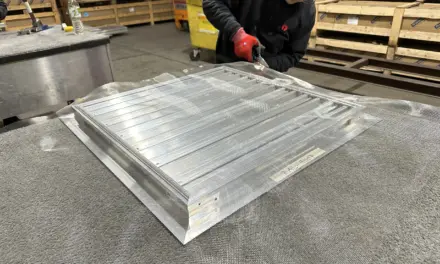
The following video shows the manufacturing of ventilation grilles and weather protection grilles at rotec. It complements the project photos by providing a general overview of the production process. The video does not show a demonstration of the laser cutting process itself.
Was beeinflusst die Kosten beim Laserschneiden?
Der Preis hängt von Material, Bauteilgeometrie, Stückzahl und Bearbeitungsumfang ab. Ein Preis pro Meter Schnitt oder pro Kilogramm beschreibt einen Auftrag daher nur unvollständig. Für ein belastbares Angebot benötigen wir die tatsächliche Kontur und die gewünschten Folgearbeiten.
Materialverbrauch und Kontur bestimmen den Aufwand
Viele kleine Durchbrüche verursachen einen anderen Aufwand als eine einfache Außenkontur. Außerdem beeinflusst die Anordnung auf der Blechtafel die Materialausnutzung. Bei einer Serie lohnt es sich deshalb, den vollständigen Bedarf gemeinsam anzufragen. So können wir die Fertigung zusammenhängend planen.
Vergleichen Sie Angebote mit gleichem Leistungsumfang
Prüfen Sie, ob Entgraten, mechanische Bearbeitung, Oberfläche und Verpackung enthalten sind. Auch Nachweise, Prüfungen und Lieferung gehören in einen vollständigen Vergleich. Ein niedriger Zuschnittpreis hilft wenig, wenn notwendige Folgearbeiten fehlen. Geben Sie diese Anforderungen daher schon bei der ersten Anfrage an.
Für Entwicklungsprojekte kann ein Musterteil sinnvoll sein, bevor die Serie startet. Prüfen Sie daran insbesondere Montage und Funktion. Änderungen lassen sich anschließend in einem eindeutigen Zeichnungsstand festhalten. Ob ein Muster wirtschaftlich und zeitlich passt, hängt vom jeweiligen Auftrag ab.
Laserschneiden Berlin anfragen: Diese Angaben benötigen wir
Eine vollständige Anfrage ermöglicht eine gezielte technische Prüfung und ein passendes Angebot. Nutzen Sie die folgende Liste für einzelne Blechteile ebenso wie für Baugruppen. Falls Angaben fehlen, benennen Sie diese ausdrücklich. Dann können wir die offenen Punkte gemeinsam klären.
- Projekt und Anwendung: Wo und wie kommt das Bauteil zum Einsatz?
- Werkstoff: Materialbezeichnung, gegebenenfalls Werkstoffnummer und Zustand.
- Blechdicke und Oberfläche: einschließlich Sichtseite und gewünschtem Schutz.
- Geometrie: DXF oder DWG, ergänzende PDF-Zeichnung und bei Bedarf STEP-Modell.
- Mengen: Stückzahl je Position, mögliche Serie und Wiederholbedarf.
- Qualität: Funktionsmaße, Toleranzen, Kantenanforderungen und notwendige Prüfungen.
- Folgearbeiten: Abkanten, Gewinde, Senkungen, Schweißen und Oberfläche.
- Unterlagen: Stückliste, Zeichnungsstand und erforderliche Nachweise.
- Logistik: Lieferadresse, Entladung, Verpackung und gewünschtes Terminfenster.
So läuft die Abstimmung bis zur Fertigung ab
- Anfrage übermitteln: Sie senden Zeichnungen und Anforderungen.
- Technische Punkte klären: rotec prüft Machbarkeit und bespricht offene Angaben.
- Leistungsumfang abstimmen: Angebot, Bearbeitung, Nachweise und Termin bilden die Auftragsgrundlage.
- Fertigung freigeben: Der abgestimmte Zeichnungsstand bestimmt die auszuführende Geometrie.
- Auslieferung koordinieren: Abholung oder Transport passen wir an die vereinbarte Logistik an.
Ein typischer Planungsfall: gelaserter und gekanteter Halter
Als allgemeines Planungsbeispiel dient ein Halter mit zwei Befestigungsbohrungen und einer Biegung. Zunächst braucht die Anfrage den Werkstoff, die Dicke und die gewünschte Stückzahl. Hinzu kommen Außenmaße, Lochabstände und der Biegewinkel. Erst zusammen beschreiben diese Angaben das benötigte Teil ausreichend.
Liegt eine Bohrung nahe an der Biegelinie, muss die Konstruktion diesen Bereich besonders betrachten. Denn die Umformung kann das Loch beeinflussen. Ebenso sollte klar sein, ob ein Schenkelmaß innen oder außen gilt. Die Schnittdatei allein beantwortet diese Frage bei einem später gekanteten Teil nicht.
Für den Einkauf zählt außerdem der Lieferzustand. Soll rotec nur die flache Kontur liefern oder bereits das gekantete Bauteil? Sind Entgraten, Gewinde oder eine Oberfläche erforderlich? Eine gemeinsame Spezifikation macht Angebote vergleichbar und reduziert Rückfragen zwischen Konstruktion, Einkauf und Fertigung.
Drei Punkte vor der Freigabe nochmals prüfen
Kontrollieren Sie zuerst, ob Stückliste und Zeichnungen denselben Revisionsstand nennen. Prüfen Sie anschließend, ob alle Funktionsmaße und Folgearbeiten im vereinbarten Umfang enthalten sind. Vergleichen Sie zuletzt Lieferadresse, Termin und Verpackungsanforderungen mit Ihrem Montageablauf. Diese kurze Prüfung verhindert vermeidbare Missverständnisse.
Bei einer Wiederholbestellung sollte eine geänderte Menge nicht versehentlich mit einer neuen Geometrie vermischt werden. Nennen Sie deshalb die bestehende Position und beschreiben Sie jede Änderung ausdrücklich. rotec kann dann gezielt klären, welche Unterlagen erneut freigegeben werden müssen.
Lieferzeit, Abholung und Transport nach Berlin abstimmen
Die Lieferzeit richtet sich nach Materialverfügbarkeit, Umfang, Folgearbeiten und Auslastung. Einen verbindlichen Termin vereinbaren wir deshalb projektbezogen. Eine gut vorbereitete Anfrage verkürzt zumindest die technische Klärung. Nennen Sie neben dem Wunschdatum auch wichtige Montagefenster.
Abholung in Berlin-Schöneberg ist nach Abstimmung möglich. Innerhalb des Berliner Rings nutzt rotec eine eigene Auslieferlogistik. Außerhalb erfolgt die Lieferung nach Vereinbarung per Spedition. Bei großen oder empfindlichen Bauteilen sollten Entladung und geeignete Verpackung bereits vor dem Versand geklärt sein.
Technische Beratung und Qualität bei rotec
Die rotec Berlin Metalltechnik GmbH verbindet Erfahrung seit 1982 mit eigener Fertigung in Berlin. In der technischen Kundenberatung wirken staatlich geprüfte Techniker, Bauingenieure und Fachkräfte der Konstruktionstechnik mit. Dadurch lassen sich Materialwahl, Geometrie und Weiterverarbeitung früh zusammen betrachten.
Laserarbeiten und Schweißnähte prüfen qualifizierte technische Fachkräfte. Dazu gehört Fachwissen aus Bautechnik und Schweißtechnik. Der konkrete Prüfumfang richtet sich nach Bauteil und Vereinbarung. Falls Sie dokumentierte Messungen oder besondere Abnahmekriterien benötigen, sollten diese bereits Teil der Anfrage sein.
Nachweise und Zertifikate passend zum Auftrag vereinbaren
Für manche Baugruppen sind Nachweise zu Qualitätsmanagement, Schweißtechnik oder der Fertigung tragender Bauteile relevant. Dabei können DIN EN ISO 9001:2015, DIN EN ISO 3834-3 oder DIN EN 1090-1 und DIN EN 1090-2 eine Rolle spielen. Welche Anforderungen tatsächlich gelten, hängt vom Produkt und Verwendungszweck ab.
Benötigen Sie Zertifikate, Materialzeugnisse oder projektbezogene Prüfunterlagen, nennen Sie diese vor Auftragserteilung. Aktuelle Nachweise, ihr Geltungsbereich und gegebenenfalls die Ausführungsklasse sind für den konkreten Auftrag abzustimmen. Ein Unternehmensnachweis ersetzt weder die Bauteilauslegung noch eine vereinbarte Prüfung.
Häufige Fragen zu Laserzuschnitten in Berlin
What types of sheet metal can rotec laser-cut?
rotec cuts steel, stainless steel, and aluminum. According to rotec’s performance overview, steel and stainless steel up to 15 mm and aluminum up to 12 mm can be cut. We will evaluate copper and brass upon request. Approval also depends on the material, surface finish, and contour. Leistungsangaben von rotec.
What is the maximum size for laser-cut parts?
Depending on the material and geometry, sizes up to 1,500 × 3,000 mm are possible. We will confirm the usable component size based on your drawing. Edge clearances, cutouts, and the layout on the sheet metal panel can affect feasibility.
Does rotec also manufacture individual parts and small batches?
Yes, rotec manufactures individual parts, small batches, and recurring production runs based on consultation. Please specify the quantity per item and any potential repeat orders. This will allow us to accurately assess material requirements and the manufacturing process.
What files does rotec need for laser cutting?
DXF or DWG files are suitable for flat cutting contours. Please include a PDF drawing with dimensions and specifications. A STEP model can be helpful for folded parts and assemblies. We will coordinate the appropriate data transfer and any necessary unfolding on a project-by-project basis.
Can I submit a request with just a sketch?
Yes, please send a sketch with as many dimensions as possible, including the material, thickness, and quantity. rotec will then determine what additional data preparation is required. Before production begins, both parties need a clear and agreed-upon geometry.
What are the tolerances for laser cutting?
The requirements agreed upon for the order apply. A general statement of accuracy is not sufficient for functional dimensions. DIN EN ISO 9013:2025-04 addresses the quality of thermal cuts. Whether and how this standard applies to your component must be determined prior to manufacturing. Normausgabe bei DIN Media.
Are laser-cut parts deburred at rotec?
At rotec, nearly all laser-cut parts are deburred as standard. Any deviations from this are agreed upon on a per-order basis. A specific edge radius or a particular finished surface must be specified separately. Deburring alone does not fully describe these requirements.
Can Rotec also bend laser-cut sheets?
Yes, laser cutting and bending can be combined following a technical review. Specify the bending direction, side lengths, and relevant radii. If a flat pattern is available, you should also verify that it is suitable for the intended manufacturing process.
Are threaded and welded assemblies possible?
Yes, you can include such follow-up work in your project-specific inquiry. Please specify threads, countersinks, connections, and requirements for welded joints separately. This ensures that the quote takes into account the full scope of machining required, not just the laser-cut contour.
How is the price for laser cutting calculated?
Key factors include material, thickness, contour, quantity, and follow-up work. Many cutouts require more work than a simple outer contour. To provide a reliable quote, rotec therefore needs your drawing as well as details regarding edges, surface finish, inspections, and delivery.
How quickly does rotec deliver laser-cut parts?
We schedule the delivery date based on material availability, the scope of the order, and our workload. Follow-up work also affects the total duration. Therefore, please send us your data along with your desired delivery date. We cannot provide a firm delivery commitment without first reviewing the details.
Is it possible to pick up in Berlin and have items delivered outside of Berlin?
Yes, pickup in Berlin-Schöneberg is possible by arrangement. Within the Berliner Ring, rotec uses its own delivery logistics. Outside this area, delivery is arranged via a freight forwarder as agreed. We coordinate the delivery address, unloading, and packaging according to the specifics of the order.
What documentation should I request for my project?
Please specify any required material certificates, certificates of conformity, test reports, and acceptance criteria in your initial inquiry. The specific documents required depend on the component’s intended use. Please coordinate the current documentation and its scope of application with rotec before placing your order.
Laserzuschnitte mit rotec technisch abstimmen
Ein guter Laserzuschnitt beginnt mit einer eindeutigen Zeichnung und endet bei einem Bauteil, das seinen Zweck erfüllt. Material, Funktionsmaße und Folgearbeiten gehören deshalb zusammen. rotec unterstützt Sie bei dieser Abstimmung und fertigt passende Blechteile in Berlin.
Senden Sie Ihre Zeichnung mit Werkstoff, Blechdicke, Stückzahl und Terminwunsch. Wenn Sie Unterstützung bei der Ausführung benötigen, nutzen Sie die technische Projektanfrage an rotec. Gemeinsam klären wir den passenden Leistungsumfang für Ihr Bauteil.
Sie suchen stattdessen ein Standardlochblech? Im rotec Profishop für Lochbleche finden Sie die dort angebotenen Ausführungen sowie die jeweils angezeigten Preise und Verfügbarkeiten.

 EN
EN  DE
DE  ES
ES  FR
FR  IT
IT  NL
NL  PL
PL  TR
TR