
Content updated on September 12, 2026.
Laser Cutting in Berlin: rotec manufactures laser-cut parts from steel, stainless steel, and aluminum according to drawings. We can produce individual parts, small batches, and recurring production runs. Upon request, we can combine cutting with bending, machining, and assembly. This allows you to coordinate related production steps early on with a single point of contact.
To provide you with an accurate quote, we need the material, sheet thickness, quantity, and your drawing specifications. Equally important are the functional dimensions, edge requirements, and the desired delivery date. This will help us determine whether the component can be delivered as-is after laser cutting or if additional machining is required.
Submit a drawing and request laser-cut parts
Laser Cutting in Berlin: Materials, Sheet Thicknesses, and Sizes
At rotec, we can laser-cut steel and stainless steel up to 15 mm thick, as well as aluminum up to 12 mm thick. These values represent the maximum capabilities. Actual feasibility also depends on the alloy, surface finish, and component geometry.
| Material | Maximum sheet metal thickness | Clarify before production |
|---|---|---|
| Steel | 15 mm | Material quality, contour, and final surface finish |
| Stainless steel | 15 mm | Material number, visible side, and surface condition |
| Aluminum | 12 mm | Alloy, material condition, and planned bends |
| Copper and brass | Upon request | Check the material, thickness, and geometry on a project-by-project basis |
Source for material-specific thicknesses: rotec Laser Cutting Services Overview. Depending on the material and contour, sizes up to 1,500 × 3,000 mm are possible. We will confirm the maximum usable component size based on your drawing. Edge clearances and the arrangement on the sheet metal panel may play a role in this.
Laser Cutting of Steel for Brackets, Covers, and Structural Components
Steel is suitable for many functional components in mechanical engineering and metal fabrication. However, the specific material grade and the intended application are crucial. If the part requires corrosion protection, the planned coating should be specified in the request. In addition, cut edges and connections must be suitable for subsequent machining.
Laser Cutting of Stainless Steel for Functional and Visible Components
For stainless steel, please specify the material number and surface finish. This is because the term „stainless steel“ alone does not indicate a specific level of corrosion resistance or appearance. Please mark the visible sides and the desired grinding direction. This will allow us to tailor the protective measures, processing, and packaging to sensitive surfaces.
Laser-cutting aluminum and preparing it for bending
Aluminum makes it possible to produce lightweight sheet metal parts. However, the alloy and material condition are crucial for further processing. If the blank is to be formed into a bent part, we therefore match the material to the bending geometry. A thickness value alone is not sufficient for this decision.
How does laser cutting of sheet metal work?
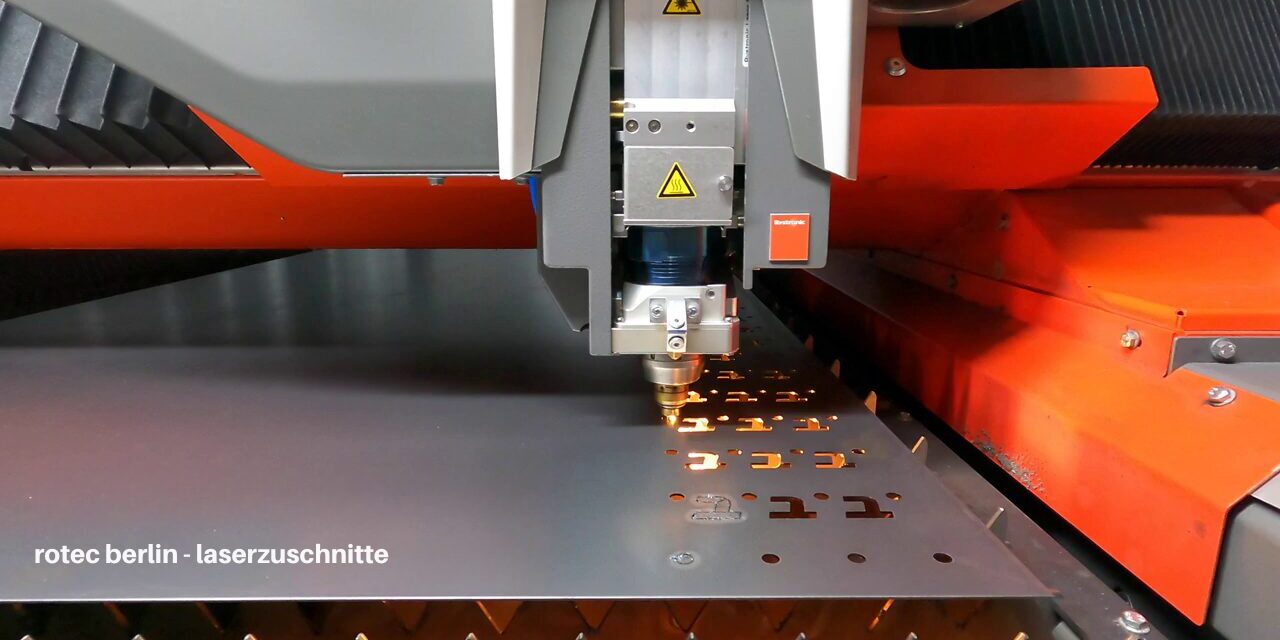
In laser cutting, a focused laser beam cuts the specified contour out of a sheet of metal. The beam heats the material locally, while a process gas assists the cut. The digital drawing defines outer contours, cutouts, and hole patterns. This allows different parts to be manufactured without requiring a separate punching die for each one.
This process is suitable for custom shapes and recurring contours. However, the cut quality depends on the interaction of several factors. These include material, thickness, contour, cutting parameters, and process gas. Very small openings, narrow webs, and closely spaced cutouts therefore require a feasibility assessment.
Process gas and the cut edge affect further processing
In fusion cutting, an inert gas aids in the removal of the molten material. In oxy-fuel cutting, on the other hand, oxygen can provide additional reaction energy. This also results in different requirements for subsequent edge finishing. The fundamentals of the process are explained TRUMPF on Laser Beam Melting Cutting. However, this does not imply a blanket guarantee of a cut edge that requires no rework.
When is a laser-cut pattern worth it?
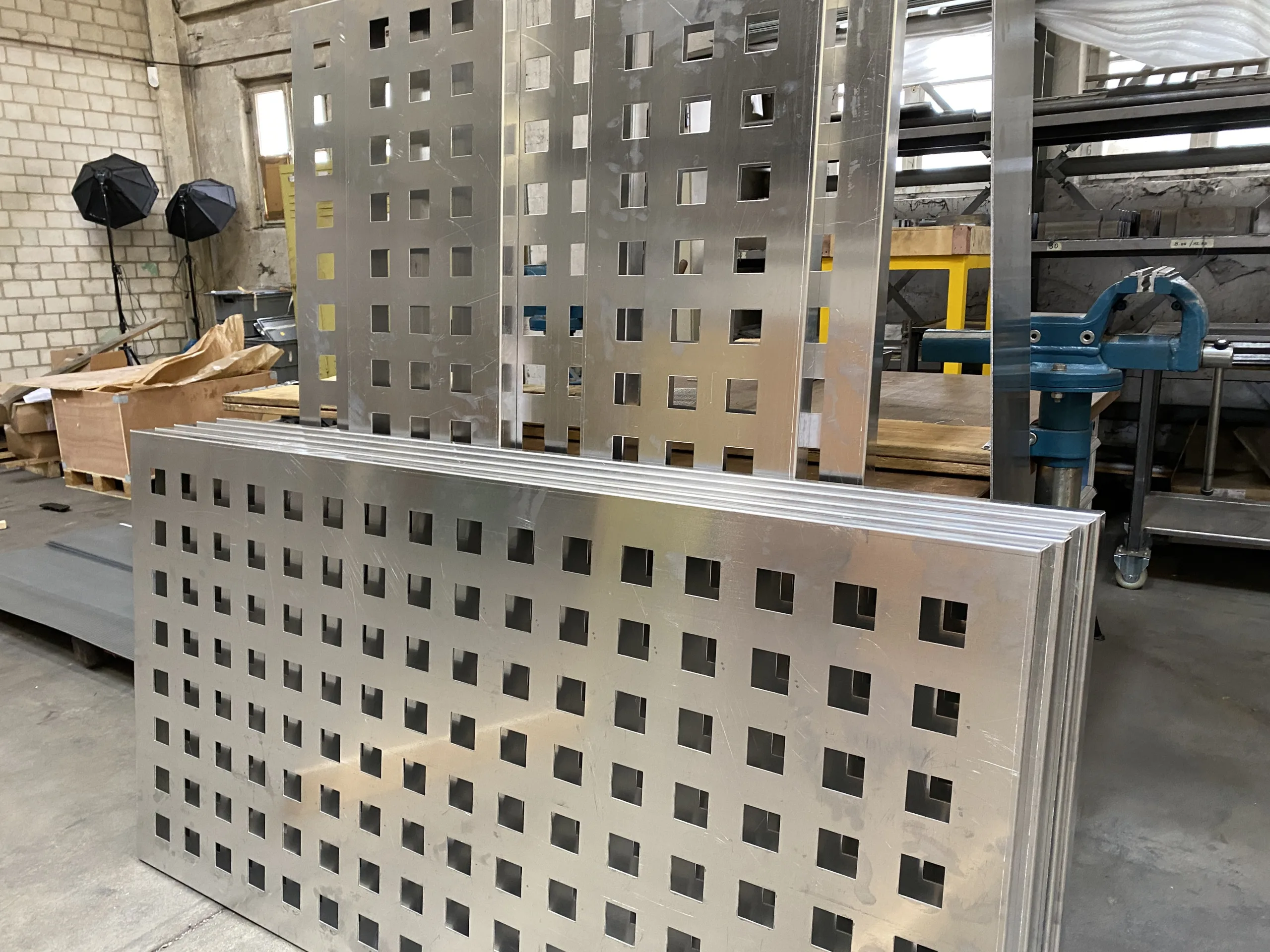
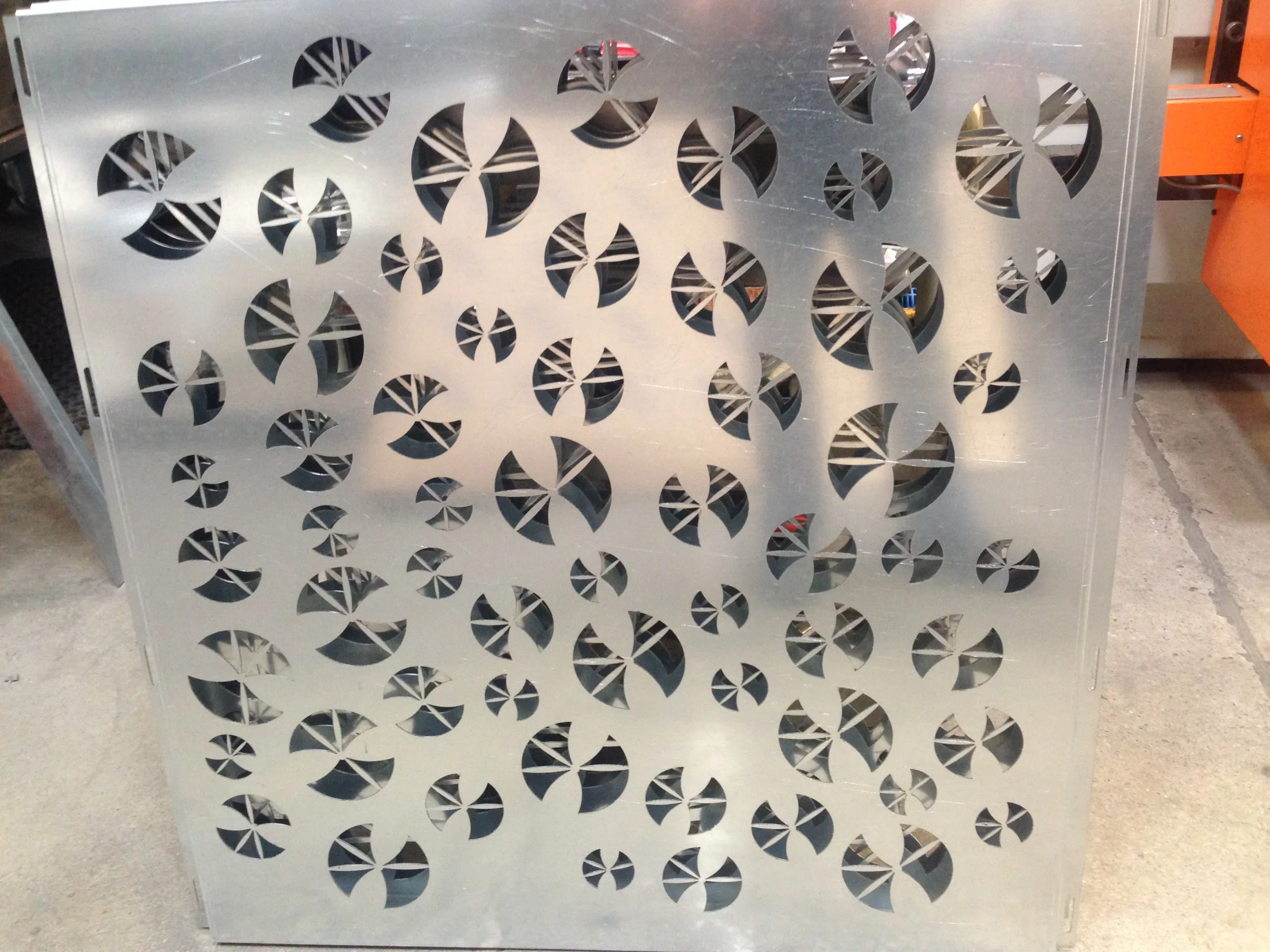
Custom hole patterns are useful when the position, shape, or edge clearances differ from standard perforations. For uniformly perforated surfaces, however, using existing perforated sheet metal may be more cost-effective. The key factors are the quantity, the percentage of the surface that is perforated, and subsequent processing. Our Technical Article on Perforated Sheets and DIN 24041 explains the most important selection terms.
How to Properly Prepare CAD Data for Laser Cutting
For two-dimensional cutting contours, DXF or DWG files are recommended. An accompanying PDF drawing provides dimensions and specifications. For folded parts or assemblies, a STEP model can also be helpful. We will determine which data we need and can accept based on the specifics of your project.
The cutting contour and the drawing must match
Provide closed contours and remove duplicate lines. Dimension lines, frames, and notes should not be included in the contour to be cut. In addition, the unit, scale, and drawing revision must be clearly specified. If the CAD file and the PDF do not match, production cannot be approved until the discrepancy has been resolved.
Name each item in a way that is easy to understand, and use the same designation in the bill of materials, file, and request. This also makes it easier to place repeat orders later. If a change is made, the new revision status should be clearly identifiable. Otherwise, older and current geometries may get mixed up in the same order.
STEP describes the component; the implementation requires coordination
A 3D model shows bends, connections, and the planned installation position. However, a suitable flat pattern is required for the flat blank. This depends, among other things, on the material, bend radius, and manufacturing process. Therefore, please clarify whether your flat pattern is final or whether rotec should adjust it for the intended manufacturing process.
Explicitly label functional dimensions and visible surfaces
An assembly drilling pattern can be more important than a non-critical outer edge. Therefore, mark functional dimensions, reference edges, and required fits. Also specify visible surfaces, protective films, and edge requirements. This ensures that the technical review focuses on the characteristics that your component must actually meet.
If you only have a sketch, please send it to us first along with the available dimensions. We will then determine the additional effort required for data preparation. However, an incomplete drawing should not be considered a binding production approval.
Specifying Tolerances and Cut Quality for Laser Cutting
A general specification of precision does not replace agreed-upon component tolerances. The decisive factors are the function and the condition in which the part is to be inspected. A flat laser-cut blank may require different inspection criteria than an assembly that is subsequently folded or welded.
What does DIN EN ISO 9013 cover?
The DIN EN ISO 9013:2025-04 covers the classification of thermal cuts, as well as geometric product specifications and quality. The title is „Thermal Cutting, Classification of Thermal Cuts, Geometric Product Specification, and Quality.“ It is based on ISO 9013:2017 with Amendment Amd 1:2024.
However, the reference to the standard does not automatically define every requirement of your order. Please specify the required quality characteristics and agree on their application before production begins. Additional specifications may be required for fits or hole patterns critical to assembly.
Tight fits may require mechanical finishing
Not every functional hole should be created exclusively by laser cutting. If a joint requires a high degree of dimensional accuracy, subsequent drilling or another machining process may be appropriate. That is why we evaluate such features in conjunction with the entire manufacturing process. This prevents a cost-effective cutting solution from resulting in additional costs during assembly.
Consider the edges, coating, and test condition together
Coatings alter surfaces and can affect fitting dimensions. Similarly, bending and welding can affect the geometry. Therefore, specify which dimensions apply to the finished part. If special measurements or test reports are required, they should already be included in the quote.
From Laser Cutting to a Ready-to-Assemble Component
rotec combines laser cutting with other sheet metal fabrication processes according to project requirements. Services include, among others, press braking, machining, and the production of assemblies. If you request these services together, we can coordinate contours, connections, and the production sequence.
Deburring should be included in the technical specifications
At rotec, nearly all laser-cut parts are deburred as standard. We coordinate any deviations on a per-order basis. This helps reduce sharp edges and unwanted burrs. However, deburring does not automatically mean a defined edge radius or a finished visible surface. You should explicitly specify such requirements.
Combine laser cutting and bending early on
The distance between holes and the bend line, flange lengths, and radii all affect formability. That is why we consider the blank together with the resulting folded part. Our article explains how to prepare bending specifications. Sheet Metal Bending and Folding in Berlin. There you will also find information on springback and relevant drawing specifications.
Include Threads, Countersinks, and Welded Assemblies in the Design
A laser-cut hole is not the same as a threaded hole. Therefore, please specify thread sizes, countersinks, and other machining features separately. For welded assemblies, we also need information on connections and joint requirements. The overview of the Sheet Metal Fabrication at rotec shows the related services.
Surface treatment is also part of the production planning process. If you require a coating, special visible surfaces, or protective packaging for shipping, please let us know as early as possible. This will allow us to define the scope of the quote and finalize any additional details before production begins.
Laser Cutting in rotec Practice
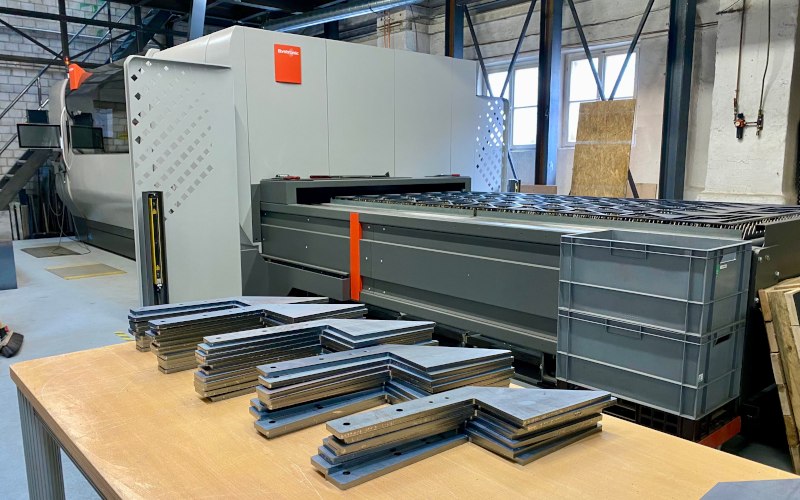
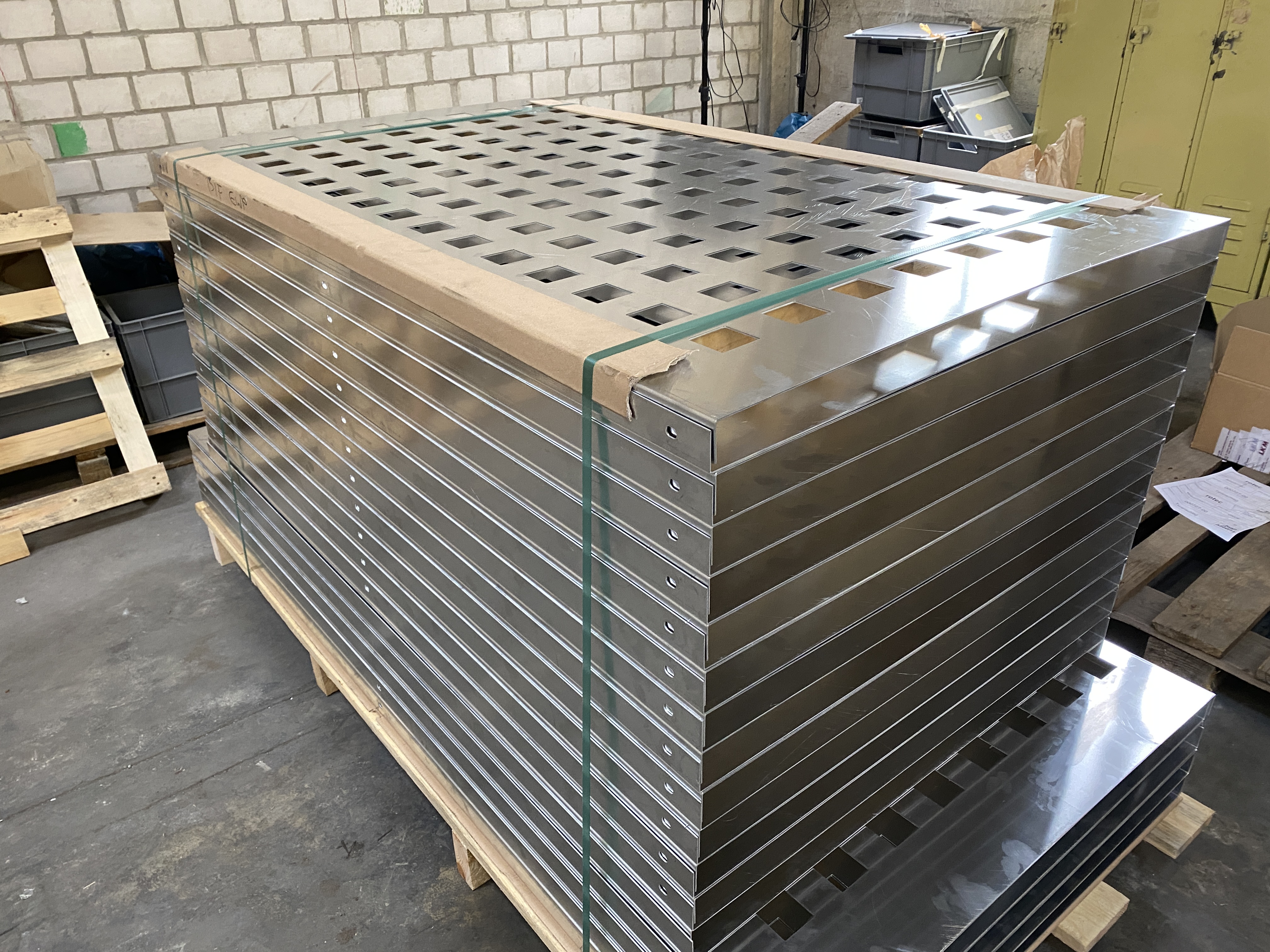
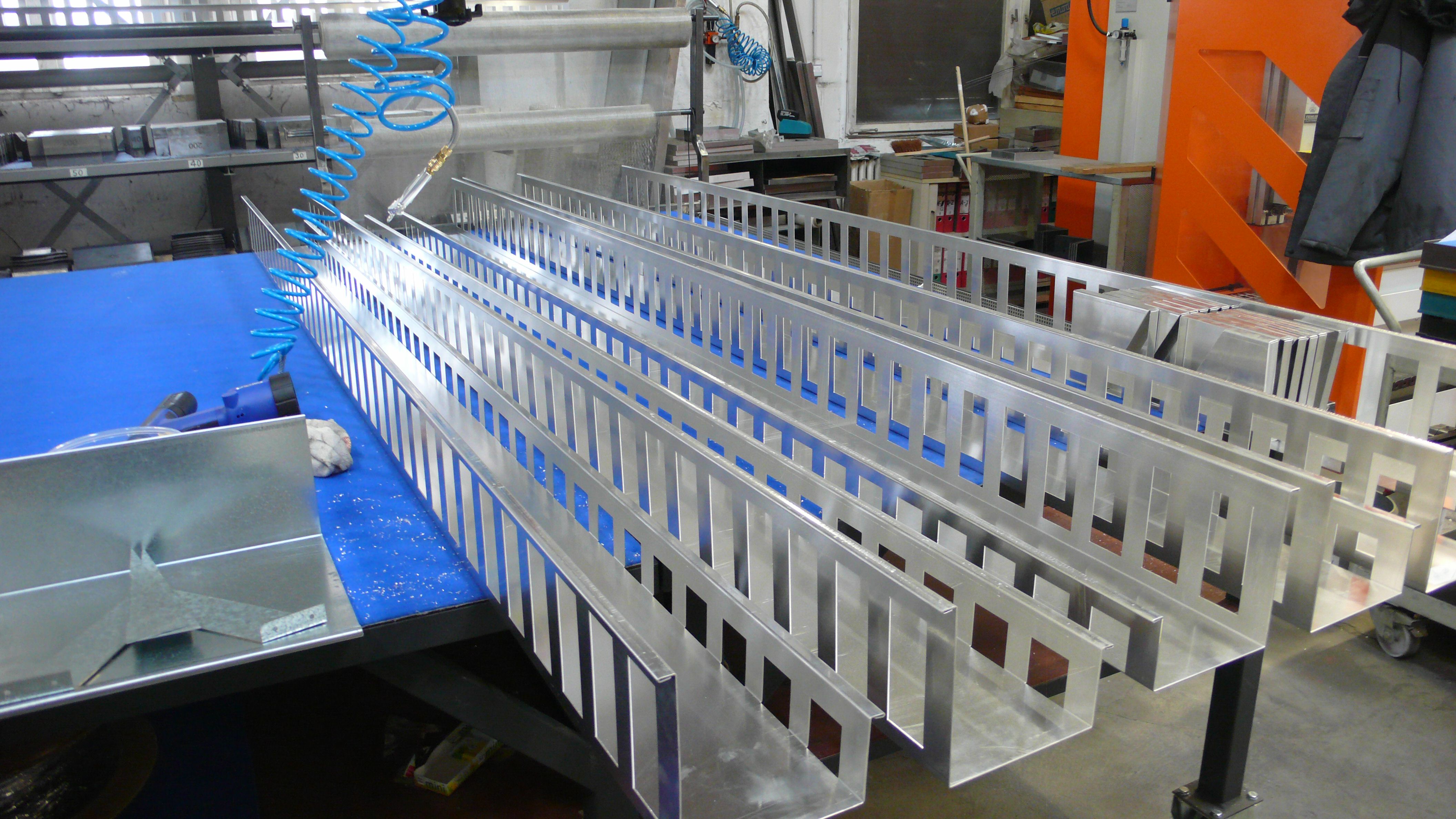
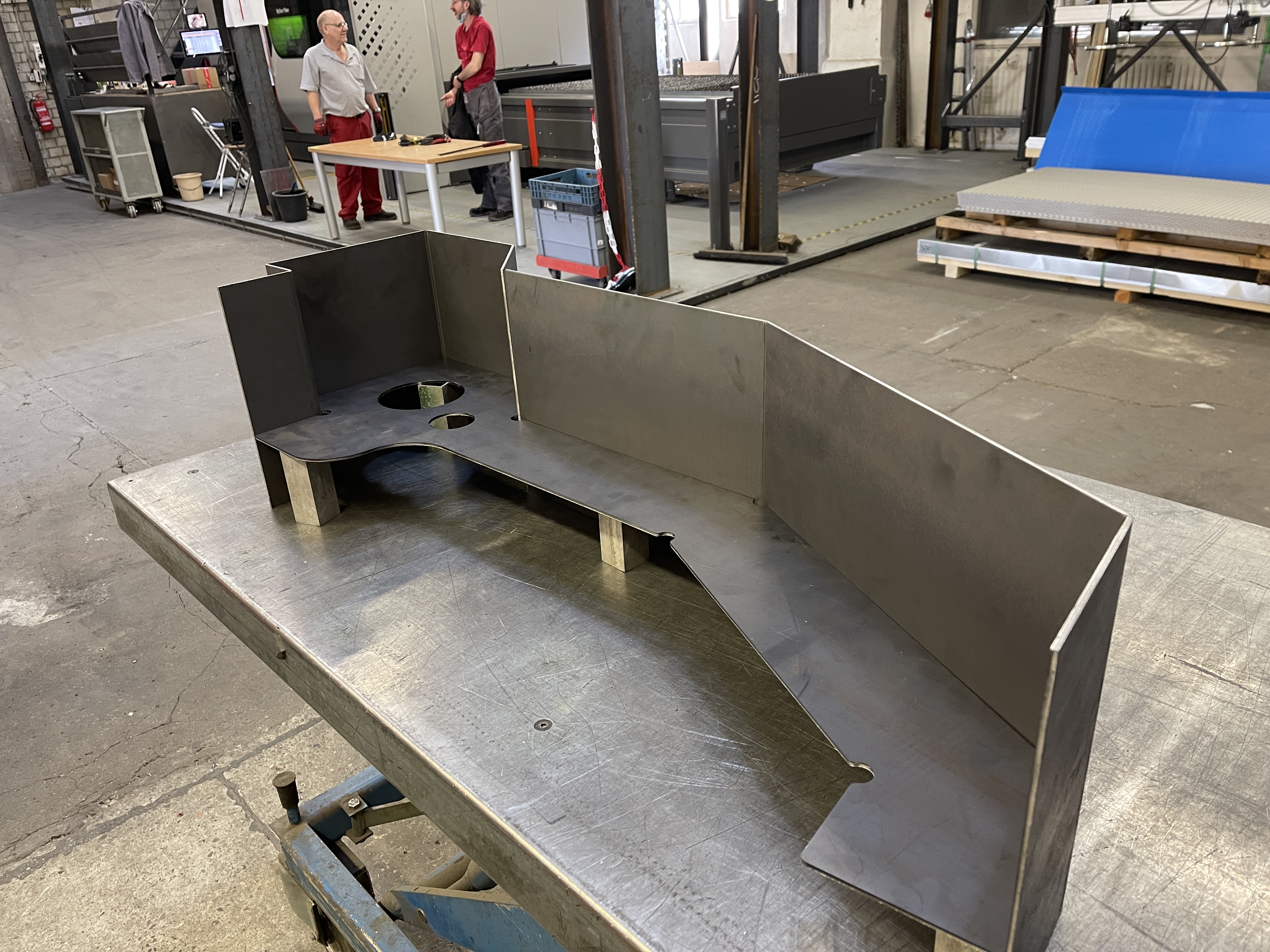
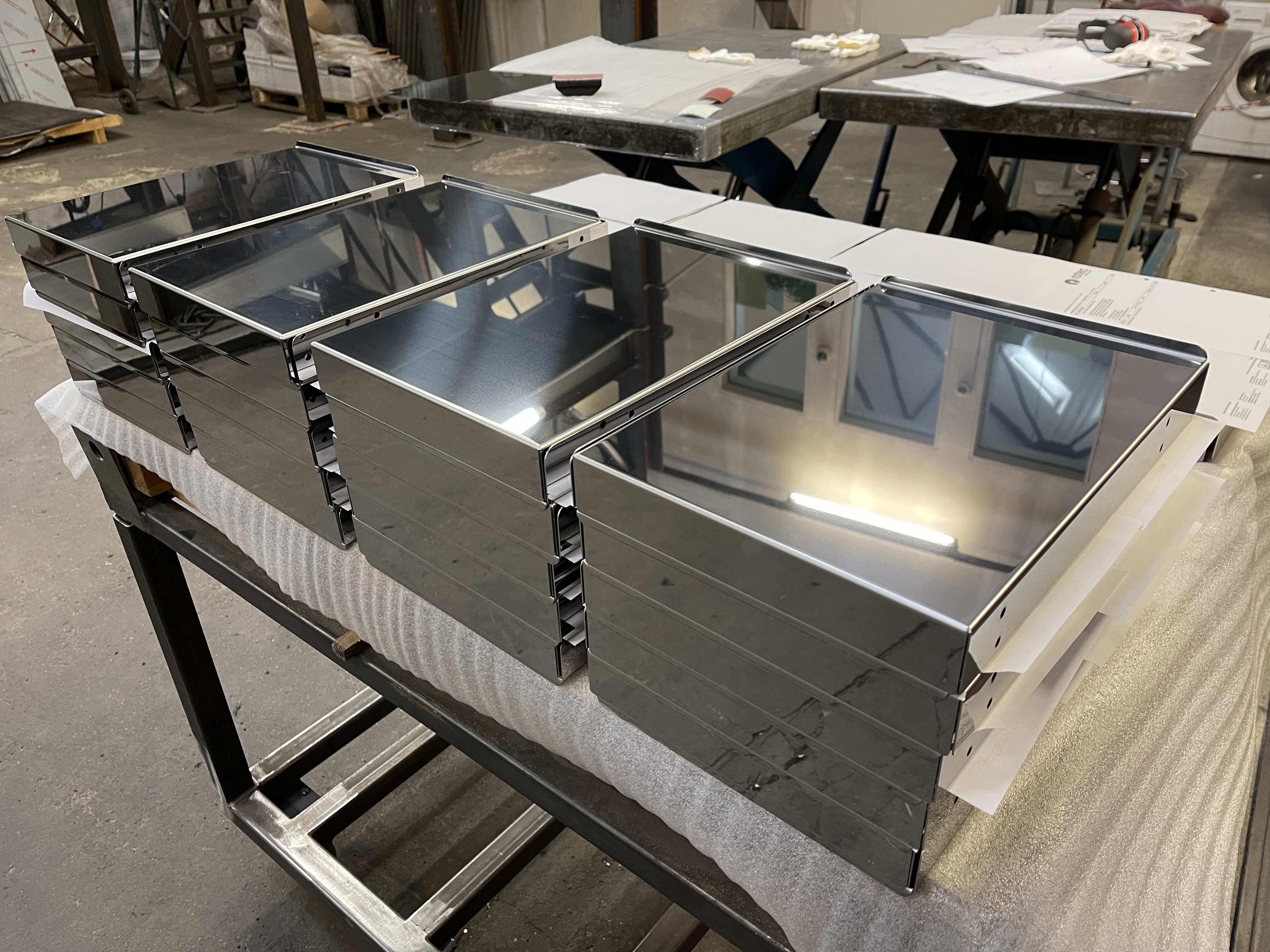
The following original images show the wide variety of applications for laser-cut parts. They range from brackets and perforated sheet metal components to covers and architectural applications. These examples demonstrate the possibilities of laser cutting. However, determining the right design for your project requires a separate technical evaluation.
Brackets for grating, facades, and fencing systems
When selecting a mounting bracket, the key factors are the contour, hole pattern, and mounting surfaces. This is illustrated by the examples of ceiling grating, fence posts, and grating facades. A properly cut piece makes subsequent installation easier. However, the load-bearing capacity, fasteners, and installation conditions must be appropriate for the specific application.
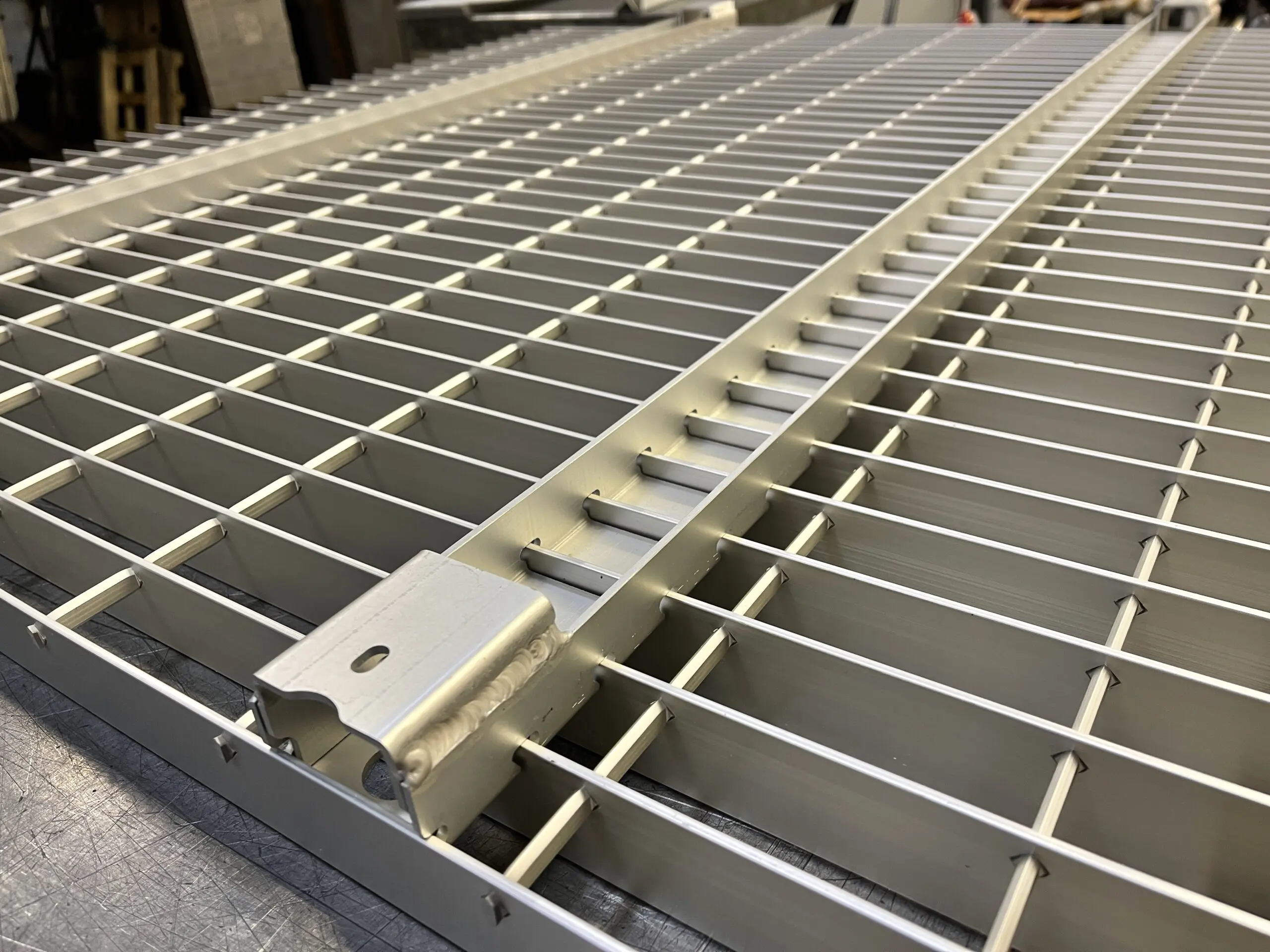
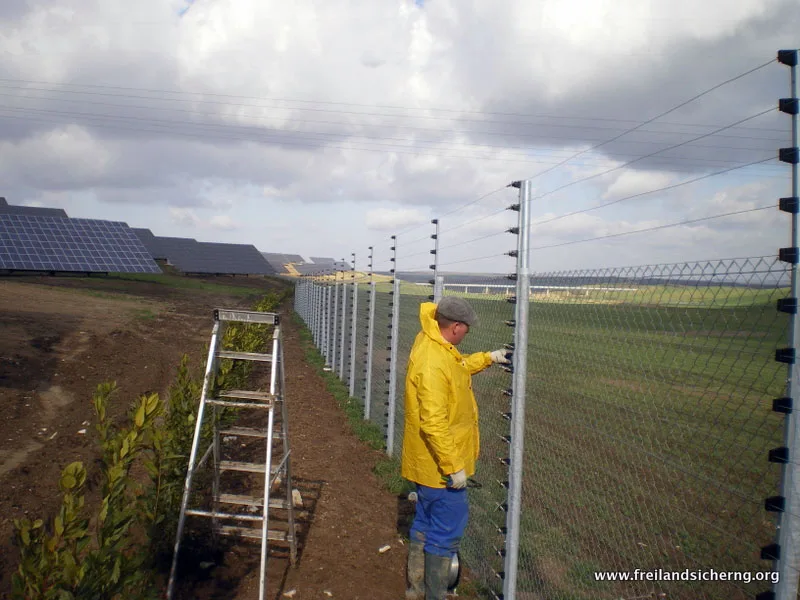
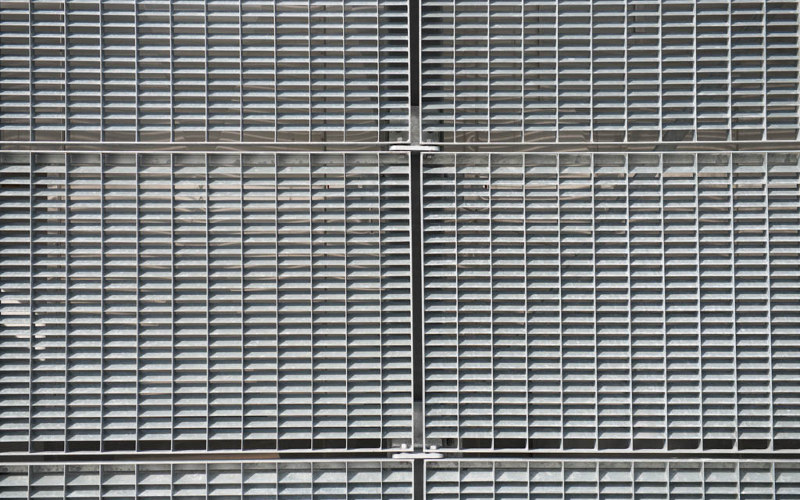
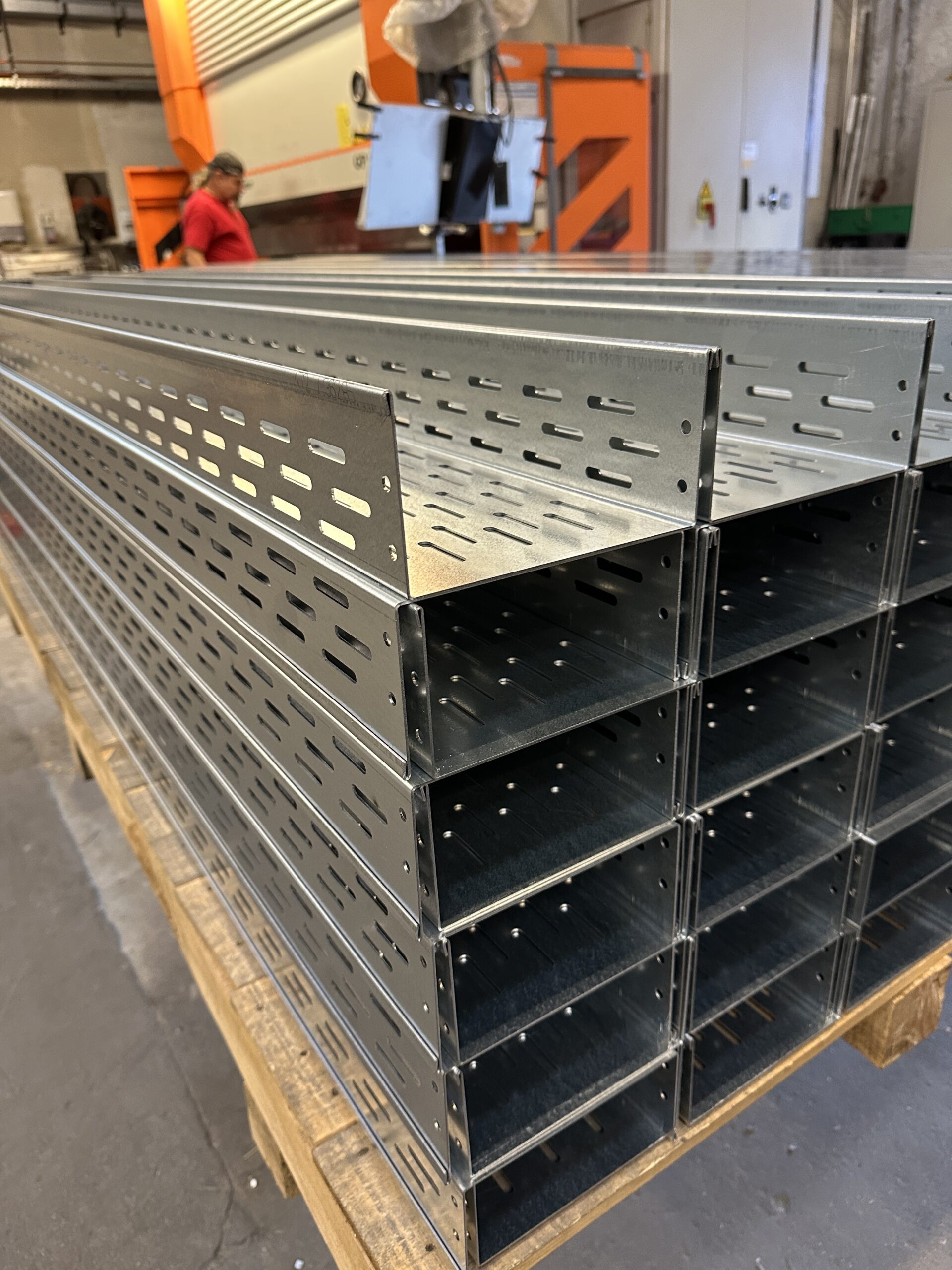
Cable trays and covers connect multiple work steps
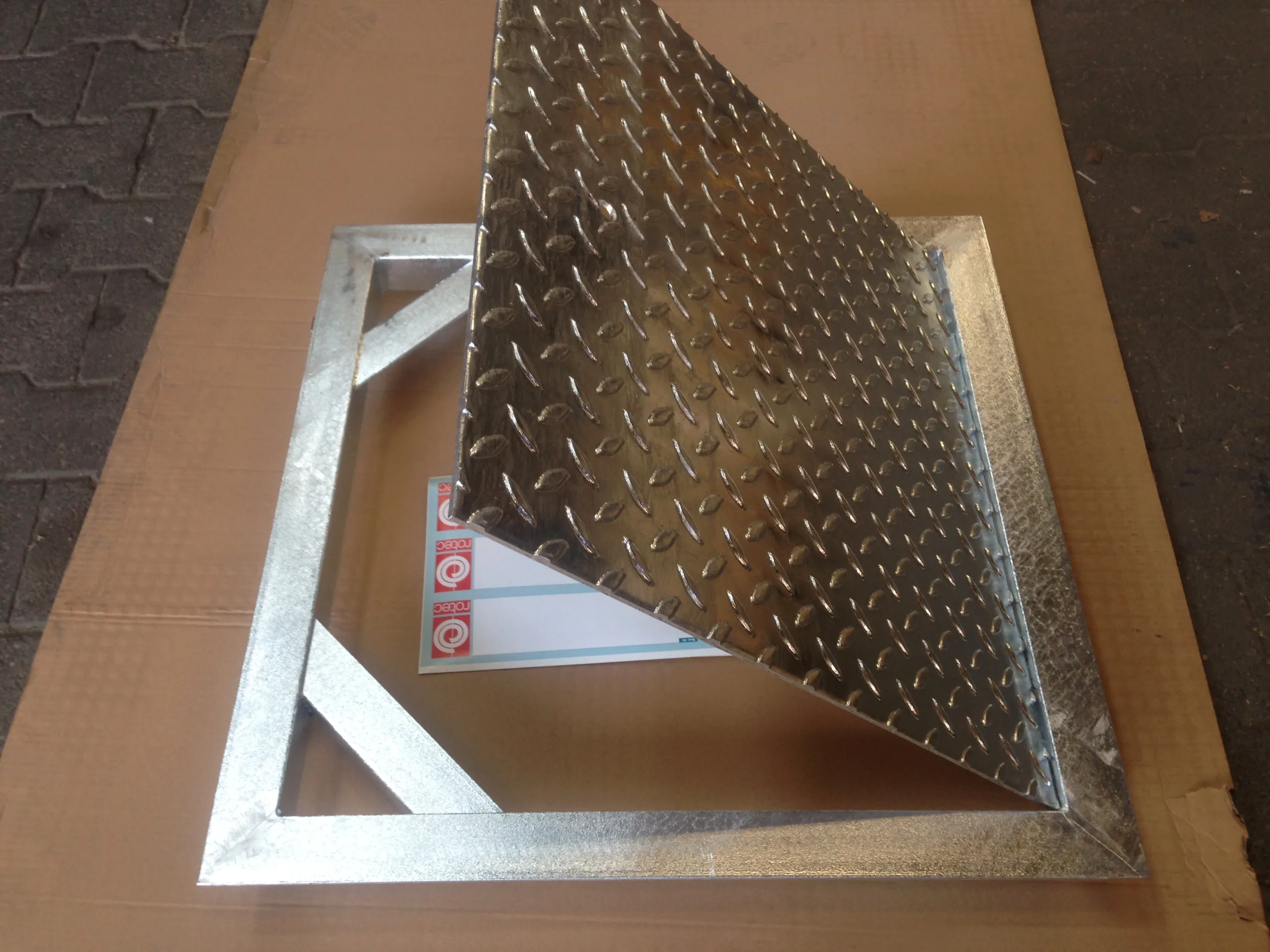
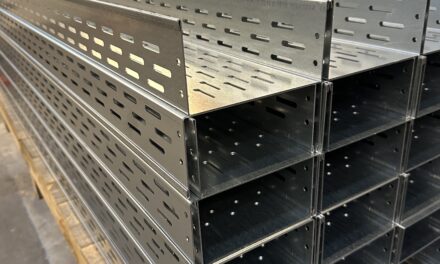
The cable routes shown connect hole patterns with folded edges. The pump sump cover consists of a perforated metal flap and a frame. In this case, the intended use already influences the design. Therefore, installation dimensions, opening direction, and connections should be determined before cutting.
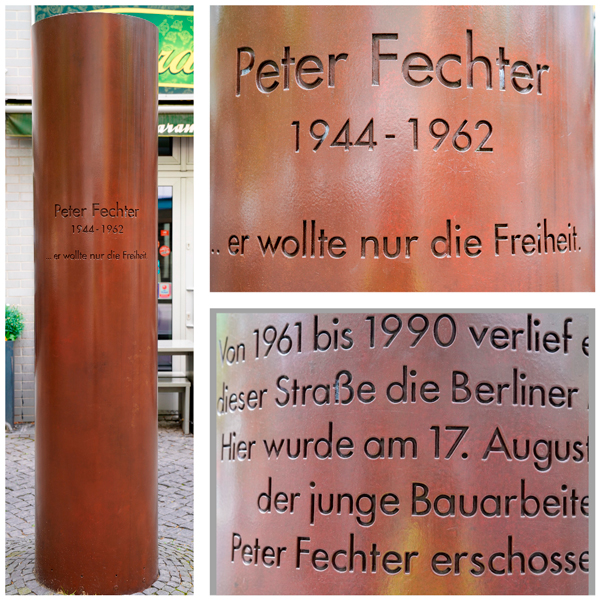
Design with cutouts and text outlines
Laser cutting also allows for decorative contours and cut-out lettering. The memorial to Peter Fechter showcases a design application from rotec’s portfolio. When creating new designs, narrow bridges and internal contours must be taken into account during the design process. A clearly legible template alone does not guarantee a suitable cutting file.
Laser-cutting side panels for frames made of structural profiles
A profile frame often requires matching side panels, back panels, or covers. rotec cuts these sheet metal panels with a laser in-house according to the agreed-upon dimensions. External contours, cutouts for wiring, and mounting holes can be designed together with the frame. We tailor the material, sheet metal thickness, edges, and fasteners to the intended use.
Our guide shows you how to prepare the frame and its connecting parts Select, cut, and join structural profiles with a disassemblable 3D educational model. If you need a complete solution, we can Jointly design, manufacture, and assemble structures made of aluminum profiles on site. You can find profiles and accessories to create your own custom setup in the rotec Profile Shop.
If folded edges, threads, or other attachments are required, we combine these steps using our Sheet Metal Fabrication and Metalworking in Berlin. For an initial review, please send us your rough sketch and mark the desired cladding areas.
A Look at the Post-Processing at rotec
The following video shows the manufacturing of ventilation grilles and weather protection grilles at rotec. It complements the project photos by providing a general overview of the production process. The video does not show a demonstration of the laser cutting process itself.
What factors influence the cost of laser cutting?
The price depends on the material, component geometry, quantity, and scope of machining. A price per meter of cut or per kilogram therefore does not fully describe a job. To provide a reliable quote, we need the actual contour and details of the desired follow-up work.
Material consumption and the contour determine the effort required
Many small cutouts require more work than a simple outer contour. In addition, the arrangement on the sheet metal panel affects material utilization. For a production run, it is therefore worthwhile to submit a single request for the entire order. This allows us to plan production as a single, cohesive process.
Compare offers with the same scope of services
Check whether deburring, machining, surface treatment, and packaging are included. Documentation, inspections, and delivery should also be part of a comprehensive comparison. A low cutting price is of little help if necessary follow-up work is not included. Therefore, be sure to specify these requirements in your initial inquiry.
For development projects, it may be helpful to produce a prototype before starting mass production. Use it to test the assembly and functionality in particular. Any changes can then be documented in a clearly defined drawing revision. Whether a prototype is feasible in terms of cost and time depends on the specific order.
Request a quote for laser cutting in Berlin: We need the following information
A complete inquiry allows us to conduct a detailed technical review and provide a suitable quote. Please use the following list for individual sheet metal parts as well as for assemblies. If any information is missing, please specify it explicitly. We can then clarify any outstanding issues together.
- Project and Application: Where and how is the component used?
- Material: Material designation, material number (if applicable), and condition.
- Sheet thickness and surface finish: including the visible side and the desired protection.
- Geometry: DXF or DWG, supplementary PDF drawing, and a STEP model if needed.
- Quantities: Number of units per line item, possible production run, and reorder quantity.
- Quality: Functional dimensions, tolerances, edge requirements, and required inspections.
- Follow-up work: Bending, threading, countersinking, welding, and surface finishing.
- Documents: Bill of materials, drawing status, and required supporting documentation.
- Logistics: Delivery address, unloading, packaging, and preferred time window.
Here's how the coordination process works all the way through to production
- Submit a request: They send drawings and specifications.
- Clarify technical details: rotec assesses feasibility and discusses any outstanding details.
- Agree on the scope of services: The quote, processing, documentation, and deadline form the basis of the order.
- Approve Production: The agreed-upon drawing status determines the geometry to be implemented.
- Coordinate delivery: We will tailor pickup or transportation to the agreed-upon logistics.
A typical design scenario: a laser-cut and folded bracket
As a general design example, consider a bracket with two mounting holes and a bend. First, the request must specify the material, the thickness, and the desired quantity. In addition, the external dimensions, hole spacings, and the bend angle must be provided. Only when taken together do these specifications adequately describe the required part.
If a hole is located close to the bend line, the design must pay special attention to this area, as the forming process can affect the hole. It should also be clear whether a side dimension applies to the inside or the outside. The cut file alone does not answer this question for a part that will be bent at a later stage.
When it comes to purchasing, the delivery condition is also important. Should rotec deliver only the flat blank or the already bent component? Are deburring, threading, or a specific surface finish required? A standardized specification makes quotes comparable and reduces the need for follow-up questions between design, purchasing, and manufacturing.
Check these three points one more time before approval
First, check whether the bill of materials and drawings specify the same revision status. Next, verify that all functional dimensions and follow-up tasks are included to the agreed-upon extent. Finally, compare the shipping address, delivery date, and packaging requirements with your assembly process. This quick check helps prevent avoidable misunderstandings.
When placing a repeat order, be careful not to accidentally mix a changed quantity with a new geometry. Therefore, please specify the existing part number and clearly describe any changes. rotec can then determine exactly which documents need to be reapproved.
Coordinate delivery time, pickup, and transportation to Berlin
Delivery time depends on material availability, scope of work, follow-up tasks, and production capacity. We therefore set a firm deadline on a project-by-project basis. A well-prepared inquiry at least shortens the technical clarification process. In addition to your desired date, please also specify any important installation windows.
Pickup in Berlin-Schöneberg is possible by arrangement. Within the Berliner Ring, rotec uses its own delivery service. Outside this area, delivery is arranged through a freight forwarder as agreed. For large or fragile components, unloading and appropriate packaging should be arranged before shipment.
Technical Consulting and Quality at rotec
rotec Berlin Metalltechnik GmbH has been combining its experience, dating back to 1982, with in-house manufacturing in Berlin. State-certified technicians, civil engineers, and design engineering specialists contribute to the company’s technical customer consulting services. This allows for the early, integrated consideration of material selection, geometry, and further processing.
Qualified technical specialists inspect laser-cut parts and welds. This requires expertise in structural engineering and welding technology. The specific scope of the inspection depends on the component and the agreement. If you require documented measurements or specific acceptance criteria, these should be included in your request.
Agree on the documentation and certificates required for the order
For some assemblies, certification related to quality management, welding technology, or the manufacture of load-bearing components is relevant. Standards such as DIN EN ISO 9001:2015, DIN EN ISO 3834-3, DIN EN 1090-1, and DIN EN 1090-2 may apply. Which requirements actually apply depends on the product and its intended use.
If you require certificates, material certificates, or project-specific test documentation, please specify these before placing your order. Current documentation, its scope of application, and, if applicable, the execution class must be agreed upon for the specific order. A company certificate does not replace either the component design or an agreed-upon test.
Frequently Asked Questions About Laser Cutting in Berlin
What types of sheet metal can rotec laser-cut?
rotec cuts steel, stainless steel, and aluminum. According to rotec’s performance overview, steel and stainless steel up to 15 mm and aluminum up to 12 mm can be cut. We will evaluate copper and brass upon request. Approval also depends on the material, surface finish, and contour. Performance Specifications from rotec.
What is the maximum size for laser-cut parts?
Depending on the material and geometry, sizes up to 1,500 × 3,000 mm are possible. We will confirm the usable component size based on your drawing. Edge clearances, cutouts, and the layout on the sheet metal panel can affect feasibility.
Does rotec also manufacture individual parts and small batches?
Yes, rotec manufactures individual parts, small batches, and recurring production runs based on consultation. Please specify the quantity per item and any potential repeat orders. This will allow us to accurately assess material requirements and the manufacturing process.
What files does rotec need for laser cutting?
DXF or DWG files are suitable for flat cutting contours. Please include a PDF drawing with dimensions and specifications. A STEP model can be helpful for folded parts and assemblies. We will coordinate the appropriate data transfer and any necessary unfolding on a project-by-project basis.
Can I submit a request with just a sketch?
Yes, please send a sketch with as many dimensions as possible, including the material, thickness, and quantity. rotec will then determine what additional data preparation is required. Before production begins, both parties need a clear and agreed-upon geometry.
What are the tolerances for laser cutting?
The requirements agreed upon for the order apply. A general statement of accuracy is not sufficient for functional dimensions. DIN EN ISO 9013:2025-04 addresses the quality of thermal cuts. Whether and how this standard applies to your component must be determined prior to manufacturing. Standard Edition by DIN Media.
Are laser-cut parts deburred at rotec?
At rotec, nearly all laser-cut parts are deburred as standard. Any deviations from this are agreed upon on a per-order basis. A specific edge radius or a particular finished surface must be specified separately. Deburring alone does not fully describe these requirements.
Can Rotec also bend laser-cut sheets?
Yes, laser cutting and bending can be combined following a technical review. Specify the bending direction, side lengths, and relevant radii. If a flat pattern is available, you should also verify that it is suitable for the intended manufacturing process.
Are threaded and welded assemblies possible?
Yes, you can include such follow-up work in your project-specific inquiry. Please specify threads, countersinks, connections, and requirements for welded joints separately. This ensures that the quote takes into account the full scope of machining required, not just the laser-cut contour.
How is the price for laser cutting calculated?
Key factors include material, thickness, contour, quantity, and follow-up work. Many cutouts require more work than a simple outer contour. To provide a reliable quote, rotec therefore needs your drawing as well as details regarding edges, surface finish, inspections, and delivery.
How quickly does rotec deliver laser-cut parts?
We schedule the delivery date based on material availability, the scope of the order, and our workload. Follow-up work also affects the total duration. Therefore, please send us your data along with your desired delivery date. We cannot provide a firm delivery commitment without first reviewing the details.
Is it possible to pick up in Berlin and have items delivered outside of Berlin?
Yes, pickup in Berlin-Schöneberg is possible by arrangement. Within the Berliner Ring, rotec uses its own delivery logistics. Outside this area, delivery is arranged via a freight forwarder as agreed. We coordinate the delivery address, unloading, and packaging according to the specifics of the order.
What documentation should I request for my project?
Please specify any required material certificates, certificates of conformity, test reports, and acceptance criteria in your initial inquiry. The specific documents required depend on the component’s intended use. Please coordinate the current documentation and its scope of application with rotec before placing your order.
Technical Coordination of Laser-Cut Parts with rotec
Good laser cutting starts with a clear drawing and ends with a component that serves its purpose. Material, functional dimensions, and follow-up work are therefore all interconnected. rotec supports you in coordinating these elements and manufactures custom sheet metal parts in Berlin.
Please send us your drawing, including the material, sheet thickness, quantity, and desired delivery date. If you need assistance with the design, please use the Technical Project Inquiry to Rotec. Together, we'll determine the appropriate scope of services for your component.
Are you looking for a standard perforated sheet instead? In the rotec Profishop for Perforated Sheets There you will find the models offered, as well as the prices and availability listed for each one.



 EN
 DE
 ES
 FR
 IT
 NL
 PL
 TR