

Electric Fence for Critical Infrastructure In 2026, this will be a key issue for operators of energy facilities, power poles, substations, solar farms, data centers, municipal utilities, municipal facilities, industrial sites, and sensitive outdoor technical areas. Critical infrastructure requires more than just a physical perimeter fence. It needs an external protection zone that detects attacks early, visibly deters intruders, and reliably reports security-related incidents.
Many operators do not begin to take active perimeter security seriously until significant damage has already occurred. In solar parks, for example, this includes stolen copper cables, stolen rectifiers, damaged modules, or destroyed technical components. The direct property damage is only part of the problem. In addition, there are downtime, repair costs, lost revenue, emergency measures, insurance expenses, and organizational pressure.
This is exactly where rotec APS comes in. The rotec APS electric fence provides protection not just at the building itself, but right from the outer perimeter. This allows operators to detect intrusion attempts earlier and gain valuable response time. At the same time, the visible security measure acts as a deterrent, as potential intruders recognize that the site is under technical surveillance.
With the rotec APS electric fence, rotec offers an active solution for sites where deterrence, technical detection, alarm transmission, and a clear response chain are critical. The electric fence is not a standalone product. It is a key component of perimeter security for critical infrastructure, power plants, solar parks, data centers, and vulnerable outdoor areas.
This page is intentionally structured as a special feature. The focus is on the rotec APS electric fence for critical infrastructure. If, on the other hand, you’d like to explore the complete retrofitting of existing fences, walls, gates, camera surveillance, alarm systems, and control center integration, you’ll find that information in the article Retrofitting Perimeter Security for Critical Infrastructure The high-level rotec APS system overview.
In a nutshell: rotec APS electric fence for critical infrastructure
The rotec APS electric fence combines mechanical security, visible deterrence, technical detection, and alarm transmission. This creates an active security line along the outer perimeter. This early protection zone is particularly important for critical infrastructure, because an attack should not be detected only once it reaches the building or technical facility.
Typical applications include power poles, substations, power plants, solar farms, data centers, industrial sites, outdoor storage facilities, technical operations areas, municipal utilities, municipal facilities, and other sensitive locations. Depending on the site, rotec can combine the electric fence with camera surveillance, alarm systems, control center integration, gate security, and other rotec APS system components.
rotec evaluates each location on a project-by-project basis. In doing so, rotec considers perimeter fencing, gates, access roads, walls, power supply, alarm routes, video surveillance, security needs, and operational procedures. This ensures that the result is not a one-size-fits-all solution, but rather a robust security concept tailored to each specific location.
The most important benefit is early response. A passive fence merely delays an attack. A rotec APS electric fence can deter, detect, and alert. This gives the operator more time to act before an intrusion attempt results in significant damage.
Direct Answer: When is a rotec APS electric fence a good choice?
A rotec APS electric fence is recommended when a site requires enhanced security and passive fencing is insufficient. The system is particularly well-suited for power plants, substations, solar farms, data centers, municipal utilities, industrial sites, and other sensitive outdoor areas. It combines visible deterrence, technical detection, and alarm transmission.
In addition, rotec can integrate video surveillance, control center connectivity, gate security, and other rotec APS components. rotec always evaluates the specific implementation on a project-by-project basis to ensure that the solution is tailored to the existing fence, the risk profile, and operational procedures.
Why Passive Fences Do Not Adequately Protect Critical Infrastructure
A standard fence serves an important basic function. It marks a boundary, makes access more difficult, and creates a physical barrier. Nevertheless, it remains passive. It does not detect attempts to climb over it, cut through it, or tamper with it.
Especially when it comes to critical infrastructure, this passive measure is often insufficient. An attacker does not necessarily have to gain access to a building to cause damage. In many cases, the risk begins right at the perimeter fence, along cable routes, at outdoor technical components, at transformer stations, at gate areas, or in sections of the property that are difficult to monitor.
A passive fence does not provide the operator with early warning. An attack often becomes apparent only when cables are missing, components are damaged, a system fails, or a security service discovers the damage. That is why early detection along the perimeter is a crucial advantage.
That's exactly where rotec APS comes in. The electric fence adds an active security feature to existing or newly planned perimeter fencing. The visible security measure acts as a deterrent. Technical detection supports the alarm signal. Alarm transmission provides the basis for a response.
Why Many Operators Don't Take Action Until After the First Incident
In practice, many operators don’t take action until damage has already occurred. This is understandable, since security budgets often have to be justified based on specific incidents. Nevertheless, waiting until that point can be costly.
At solar farms, damage is often caused by stolen copper cables, stolen rectifiers, or damaged modules. In addition, downtime costs arise because the farm feeds less electricity into the grid or cannot operate at full capacity at times. Added to this are repair costs, the procurement of replacement parts, appointments with experts, insurance claims processing, and the organizational burden.
An attack can also have significant consequences for power plants, substations, data centers, or municipal technical facilities. A destroyed fence is rarely the main problem in such cases. The key factors are outages, repairs, availability, security, potential consequential damage, and the effort required to restore stable operations.
For this reason, protecting the outer perimeter should not wait until damage has already occurred. rotec helps operators assess existing vulnerabilities early on. This allows for the development of a technical solution before a single incident leads to high costs and additional pressure.
Electric Fences as an Active Component in Perimeter Security for Critical Infrastructure
Perimeter protection for critical infrastructure begins at the outer security perimeter. That is where it is determined whether an attempted intrusion is detected early or whether an intruder can reach the actual facility unnoticed. That is why an active security line at the property boundary is becoming increasingly important.
The rotec APS electric fence serves several purposes. It acts as a visible deterrent. It can detect security-related incidents along the fence line. In addition, it can be integrated with alarm systems, camera surveillance, and defined notification channels. This provides the operator with a better basis for assessment and response.
An electric fence is no substitute for comprehensive security planning. Rather, it serves as an active component that complements an existing or new perimeter fence. If a site also requires a comprehensive system assessment, upgrading the entire perimeter should be considered. This article discusses Retrofit Perimeter Protection with rotec APS the correct overarching foundation.
How Operators Benefit from rotec APS
Operators don't buy an electric fence because they want another component added to their fence. They buy security, response time, deterrence, technical clarity, and a point of contact who knows how to implement the system.
The first advantage is deterrence. A visibly secured perimeter signals that the site is protected and under technical surveillance. This can influence potential perpetrators even before an attack occurs.
The second advantage lies in detection. A security-related incident at the outer protection zone can be detected earlier. This allows more time for assessment, alerting, and intervention.
The third advantage lies in integration. rotec can combine the electric fence with camera surveillance, alarm systems, control center connectivity, gate security, and other rotec APS components. The result is not an isolated, standalone product, but a fully functional security chain.
The fourth advantage lies in retrofitting. Many sites already have fences, walls, gates, and access roads. rotec assesses whether these existing structures are technically suitable. If the existing infrastructure meets the requirements, rotec can upgrade the existing systems in a targeted manner.
The fifth advantage lies in the service. rotec can support operators not only with delivery, but also with consulting, installation, maintenance, inspection, repairs, and service contracts. This results in a comprehensive package for operators who want to ensure the long-term, reliable operation of a technical solution.
rotec APS Electric Fence: Deterrence, Detection, and Alarm Transmission
A rotec APS electric fence is particularly useful when an operator wants to do more than simply mark a property line. Rather, it serves as an active security perimeter that deters intruders, detects tampering, and can report security-related incidents.
The visible security measures alone serve as a deterrent. Potential perpetrators recognize that the site is protected by technical safeguards. In addition, perimeter detection enables a faster response. An alarm forwarding system ensures that an alert does not get stuck in the system but is routed to a designated location.
When properly configured, the rotec APS electric fence can generate deterrent electrical pulses. The specific technical design depends on the location, protection requirements, operating mode, applicable standards, and a project-specific assessment. For this reason, rotec deliberately does not offer a one-size-fits-all standard solution, but instead evaluates the appropriate design on a case-by-case basis.

When an electric fence Is Appropriate for Critical Infrastructure
An electric fence is particularly useful when several requirements come together. The site requires a higher level of security. The outer perimeter needs to be visibly secured. In addition, the operator needs to be able to detect tampering, attempts to climb over the fence, or attacks at an early stage.
Typical examples include power plants, solar farms, substations, technical facilities, data centers, industrial plants, off-site warehouses, municipal utilities, water treatment plants, municipal maintenance depots, and secured special-use areas. Sensitive municipal facilities or operational areas critical to infrastructure may also require a higher level of protection.
The decision to install an electric fence should always be based on a technical assessment. That is why rotec evaluates whether the existing fence is suitable, whether gates and access roads need to be integrated, and whether alarm systems, camera surveillance, or connection to a control center are advisable.

KRITIS Framework Act, Physical Protection, and Operator Responsibilities
With the KRITIS Framework Act, greater emphasis is being placed on the physical protection of critical infrastructure. The federal government describes the law as the implementation of the EU CER Directive. The goal is to establish uniform federal regulations for the physical protection of critical infrastructure and to strengthen the resilience of the economy and the security of supply for the population.
For operators, this means that security strategies must not be limited to IT security alone. The physical protection of facilities, access points, outdoor areas, fencing, technical operational areas, and critical components is also becoming increasingly important.
rotec is not a substitute for legal advice. However, rotec supports operators by providing technical components and a clear basis for decision-making regarding external perimeter security. These include an assessment of existing infrastructure, system selection, retrofitting of suitable fences, gate security, camera surveillance, alarm technology, connection to control centers, and service.
Operators of critical infrastructure, public contracting authorities, municipal utilities, and local government agencies, in particular, need a clear technical foundation. rotec helps them move from their security objectives to the appropriate technical solution.
Confidence in Decision-Making for Government Agencies, Municipalities, and Public Utilities
Government agencies, municipalities, municipal utilities, and public operators must make security decisions in a transparent manner. This is not just a matter of which product to purchase; what is more important is the security objective to be achieved.
Is the goal simply to demarcate the site? Is the goal to detect an attack early? Is a visible deterrent needed? Does an alarm need to be forwarded to a control center or a security service? Should an existing fence system continue to be used? Or does the site require a completely new perimeter security solution?
rotec assists with this technical assessment. The existing infrastructure is examined. The fence line is evaluated. Gates and access roads are inspected. Potential interfaces are taken into account. This results in a solution that is technically sound and project-specific, making it easy to understand.
This structure is particularly important for public sector clients. They need a clear framework for planning, bidding, budgeting, and implementation. rotec can provide technical information, visual materials, specifications, system scope definitions, and consulting services for these purposes.
Electric Fence for Power Poles, Substations, and Power Facilities
When it comes to power poles and energy facilities, location often plays a key role. Some facilities are freely accessible, while others are located within a fenced-off technical area. That is why rotec always takes the specific situation into account.
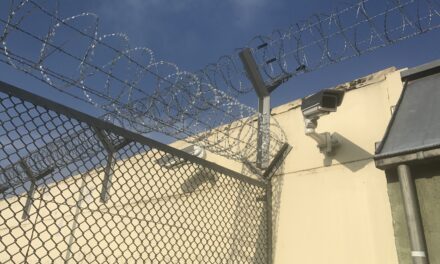
A rotec APS electric fence can be particularly useful in situations where an existing fence already provides a physical barrier. The electric fence supplements this barrier with a visible deterrent, technical detection, and alarm transmission. This creates an active protection zone along the outer perimeter.
At substations, transformer stations, or utility sites, gates, access roads, and outdoor technical areas also play an important role. A perimeter is only as strong as its weakest points. That is why rotec inspects not only the perimeter fence but also access points and potential bypass routes.
Electric Fences and Perimeter Security for Solar Farms
Solar farms pose unique challenges when it comes to open-field security and perimeter protection. The sites are often large, remote, and difficult to monitor continuously. At the same time, cable theft, panel theft, vandalism, and sabotage can cause significant damage.
A rotec APS electric fence can actively supplement an existing fence system at a solar park. The system provides a visible security barrier, detects security-related incidents along the perimeter, and can forward alerts to designated locations. This gives the operator valuable response time.
In the case of solar farms in particular, the financial damage is often greater than it appears at first glance. Stolen copper cables or rectifiers do not just result in material costs. They also lead to lost revenue, downtime for repairs, emergency measures, insurance claims, and organizational overhead.

For solar parks, rotec should also assess gates, maintenance access roads, the layout of the site, power supply, video surveillance, and potential connections to control centers. This is because, especially for large areas, a single security measure is often not sufficient.
Electric Fences and Perimeter Security for Data Centers
Data centers require particularly reliable protection along their outer property boundaries. This is because unauthorized access, attempts at sabotage, or attacks on outdoor technical areas can have significant consequences for operational security, availability, and customer trust.
A rotec APS electric fence can be used as an active component in a data center’s perimeter security system when visible deterrence, technical detection, and alarm transmission are desired. In addition, video surveillance, connection to a control center, gate security, and other rotec APS system components can be integrated into the security concept.
Data centers are not just about the fence. They are about availability, access control, sensitive outdoor areas, technical support facilities, evacuation and maintenance routes, delivery zones, and clear alarm procedures. rotec can incorporate these factors into its technical assessment.
rotec determines on a project-by-project basis whether an electric fence, sensor-based fence monitoring, or a combination of multiple systems is appropriate. In doing so, rotec considers the fence line, gates, access roads, outdoor technical areas, alarm routes, and the desired level of protection.
Electric Fence for Industrial Sites, Outdoor Storage Areas, and Technical Operations Areas
Not every at-risk site is automatically considered critical infrastructure. Nevertheless, the damage can be significant. Industrial sites, outdoor storage areas, depots, material storage facilities, vehicle parking areas, and recycling sites often contain high-value assets in outdoor areas.

A rotec APS electric fence can be a useful addition in situations where the operator wants active deterrence and incident notification. Early notification along the perimeter is particularly helpful in remote areas or areas that are difficult to monitor.
Here, too, rotec assesses the existing perimeter fencing, operational procedures, and alarm pathways. This results in a solution that is tailored to the risk and effectively integrates existing structures.

Electric Fence or Flexiguard: Which Solution Is Better?
Not every system requires the same technology. That is why rotec distinguishes between electric fences, sensor-based fence monitoring, and other rotec APS components. The rotec APS electric fence is particularly well-suited when visible deterrence, active security, and event notification need to be combined.
rotec APS Flexiguard, on the other hand, is particularly well-suited for existing fences that are to be monitored using sensors. This solution is a good option when a high-voltage electric shock is not desired. Here, too, tampering, attempts to climb over the fence, and security-related incidents at the fence can be detected and reported.
You can find more information in the post Retrofit Fence Monitoring with rotec APS Flexiguard. There, we explain how existing fence systems can be monitored technically without the use of high voltage that can be felt.
Additional rotec APS modules for critical infrastructure
The rotec APS electric fence is a powerful component for visible deterrence, detection, and alarm transmission. Depending on the location, however, a combination of several rotec APS systems may be advisable. These include sensor-based fence monitoring, additional sensors for open areas, radar for larger outdoor areas, centralized analysis, camera surveillance, alarm technology, and connection to a control center.
Rotec deliberately covers these supplementary systems in the general system overview. If you want to evaluate not only the electric fence but also the complete retrofitting of existing fences, walls, gates, and outdoor areas, you’ll find the information in the article Retrofitting Perimeter Security for Critical Infrastructure A comprehensive overview of the rotec APS system family.
Video Surveillance, Alarm Systems, and Control Center Integration
An electric fence is particularly effective when the alarm system is integrated into a clear security plan. That is why rotec can tailor camera surveillance, alarm systems, and control center connectivity to each specific project.
Video surveillance helps to visually assess an incident. Alarm systems ensure that alerts are forwarded. A control center or security service can then respond according to defined protocols. This creates a security chain that extends from the incident at the perimeter to the actual intervention.
This structure is particularly important for critical infrastructure, solar farms, and data centers. After all, an attack must not only be detected; it must also be properly assessed and escalated to the appropriate authority.

Alert Chain, Response Time, and Clear Responsibilities
A technical system is only as strong as the response chain behind it. That is why it is important to clarify early on who receives a notification, how an event is assessed, and what actions follow.
In simple cases, an internal alert may be sufficient. However, for critical infrastructure, power plants, data centers, or large solar farms, connecting to a control center may be advisable. In addition, video surveillance can help assess the situation more quickly.
rotec takes such issues into account right from the planning stage. This includes alarm zones, gate areas, operating hours, daytime operations, nighttime operations, potential escalation levels, and existing security technology. The result is a solution that not only works from a technical standpoint but is also practical from an organizational perspective.
Gates, Driveways, and Walls in the Security Plan
A perimeter is only as strong as its weakest points. That is why rotec considers more than just the fence line. Gates, driveways, doors, walls, and crossings are also included in the planning.
Gates are used regularly in everyday life. That is why a gate safety system must combine safety and functionality. The operator must know when a gate may be opened, when an alert should be triggered, and how to distinguish between daytime and nighttime operation.
Walls can also be part of an electric fence or perimeter security system. If a wall forms an existing property line, a climb-over protection system may be advisable. rotec assesses the structural suitability and technical integration for this purpose.

Planning, Standards, and Project-Specific Evaluation
Electric fencing for critical infrastructure is not a matter for blanket statements. Every site has different requirements. That is why rotec assesses the existing perimeter fencing, security needs, access points, alarm pathways, and potential technical interfaces.
When it comes to electric fence components, rotec adheres to the relevant technical requirements for electric fence equipment. rotec always evaluates the specific design on a project-by-project basis. This ensures that the solution is technically sound and appropriate for the respective location.
rotec provides technical information and product specifications to serve as a basis for planning. However, the final evaluation of the entire system is always conducted on a project-by-project basis. This level of technical diligence is particularly important when it comes to critical infrastructure, energy facilities, and data centers.
The rotec Peace-of-Mind Package for Electric Fences and Perimeter Protection
Many operators aren't looking for a single fence component. They're looking for a solution that works, is maintained, and remains secure over the long term. That's why rotec offers a comprehensive service package for rotec APS systems.
rotec can support operators from the initial assessment through ongoing service. This includes consulting, needs assessment, technical evaluation, system selection, delivery, installation, maintenance, testing, repairs, and service contracts. In addition, rotec can incorporate video surveillance, alarm systems, and connection to monitoring centers into the security concept.

The advantage for the operator lies in the clear division of responsibilities. The operator receives not just a component, but a single point of contact for practical implementation. This reduces the coordination effort, and the solution remains manageable even after installation.
What information rotec needs for an initial assessment
To conduct an initial technical assessment, rotec needs information that is as specific as possible. The more precise the details are, the easier it is to determine which rotec APS solution is the best fit.
- Total length of the existing or planned fence system
- Type of existing fence or wall
- Fence Height and Post Thickness
- Condition of the Existing Fence
- Number and Size of Goals
- Number and Location of Doors and Driveways
- Information on Power Supply and Existing Alarm Systems
- Information on Video Surveillance or the Control Center
- Location data or map overview from Google Maps
- Pictures of fences, gates, walls, driveways, and notable landmarks
This information allows for an initial assessment. For complex or sensitive sites, an on-site visit may be advisable afterward.
Common Mistakes in Securing Critical Infrastructure
Mistake 1: Focusing Only on the Fence
A fence alone does not constitute a complete security strategy. What matters is whether the perimeter can detect and report attacks and trigger a response.
Mistake 2: Waiting until damage has already occurred to take action
Many operators only invest after cable theft, sabotage, vandalism, or equipment failure. This often results in higher overall costs than if they had conducted an early technical assessment of the perimeter.
Mistake 3: Not incorporating gates and driveways
Gates and access roads are among the most sensitive areas of a facility. That is why they must be properly addressed from both a technical and organizational standpoint.
Mistake 4: Failing to Define a Clear Alarm Chain
A report must trigger a response. Therefore, before implementation, it should be clear who receives the report and what steps will follow.
Mistake 5: Confusing an electric fence with fence monitoring
An electric fence and sensor-based fence monitoring serve different purposes. That is why rotec evaluates which solution is best suited for each location.
Mistake 6: Disclosing Confidential Information Publicly
When it comes to critical infrastructure, sensitive protection points should not be publicly described. rotec illustrates the system logic without disclosing confidential project details.
Why Rotec Is the Right Partner for Electric Fences for Critical Infrastructure
rotec combines technical consulting, fencing technology, rotec APS system expertise, installation, and service. As a result, operators receive not just isolated individual components, but a solution tailored to their specific project.
The rotec APS system has been on the market as the rotec system since 2001. This experience is particularly valuable when retrofitting existing fence systems, assessing sensitive outdoor areas, or planning the technical aspects of confidential projects.
rotec offers consulting, delivery, installation, maintenance, inspection, repair, and service contracts. In addition, rotec can incorporate video surveillance, alarm systems, and connection to monitoring centers into the security plan.
This provides a clear advantage for operators of energy facilities, solar farms, data centers, industrial sites, municipal utilities, municipal facilities, and critical infrastructure. rotec considers not only the electric fence but the entire outer protection zone.
Discretion is especially important when it comes to sensitive projects. For security reasons, many references in the critical infrastructure sector cannot be disclosed publicly. However, rotec can provide relevant technical background information and approved details during a personal meeting.
More rotec Content
If you'd like to learn more about the complete retrofitting of existing fences, walls, gates, outdoor areas, video surveillance, and control center integration, you'll find the information in the article Retrofitting Perimeter Security for Critical Infrastructure The corresponding rotec APS system overview.
If you're looking for a solution without any noticeable high voltage, we recommend this article Retrofit Fence Monitoring with rotec APS Flexiguard. The focus there is on sensor-based monitoring of existing fence systems.
You can also find more information about the rotec APS electric fence and open-field protection in the Photo Gallery: Electric Fences and Perimeter Security on rotec.info.
Conclusion: Plan critical infrastructure electric fences using rotec APS
Electric Fence for Critical Infrastructure is a specialized area within modern perimeter security. The rotec APS electric fence can be a useful solution in situations where visible deterrence, technical detection, and alarm transmission are desired.
A site-specific assessment is particularly worthwhile for energy facilities, power poles, substations, solar farms, data centers, industrial sites, municipal utilities, municipal facilities, and sensitive outdoor areas. This is because each location has different risks, different vulnerabilities, and different requirements regarding response time and alarm routing.
If you want to secure critical infrastructure, an energy facility, a solar farm, a data center, or a vulnerable industrial site with a rotec APS electric fence, rotec is the right partner for you.
To receive an initial assessment from rotec, please provide the fence length, fence height, fence type, post thickness, number and size of gates, existing alarm system, location data from Google Maps, and photos of the current situation. This will allow rotec to determine which rotec APS solution is technically appropriate.
Request a consultation on electric fences and perimeter security now:
rotec Berlin Metalltechnik GmbH
Werner Voss Dam 58
12101 Berlin
Phone: +49 30 789039 50
Mail: info@rotec-berlin.de
Website: www.freilandsicherung.org
FAQ on Electric Fences, Critical Infrastructure, and Perimeter Security
What does “electrified fence for critical infrastructure” mean?
"Electric fencing for critical infrastructure" refers to the use of professional electric fencing to protect sensitive outdoor areas. These include power plants, power poles, solar farms, data centers, industrial sites, municipal utilities, municipal facilities, and other vulnerable locations.
When is an electric fence a good idea for critical infrastructure?
An electric fence is a good choice when visible deterrence, technical detection, and alarm transmission are required. rotec assesses the fence line, gates, access roads, alarm routes, and security needs on a project-by-project basis.
Can power poles be secured with an electric fence?
Yes, that can be a good idea if the power pole or technical equipment is located within a protected area. rotec always assesses the specific location and the existing fencing.
Is a Rotec APS electric fence also suitable for data centers?
Yes, a rotec APS electric fence may be suitable for data centers if the outer perimeter needs to be actively secured. To this end, rotec conducts a project-specific assessment of the fence line, gates, access roads, outdoor technical areas, camera surveillance, alarm forwarding, and connection to control centers.
What is the difference between an electric fence and Flexiguard?
The rotec APS electric fence combines visual deterrence, detection, and electrical protection. rotec APS Flexiguard uses sensors to monitor existing fences and is particularly suitable when a high-voltage shock is not desired.
Can an electric fence be combined with video surveillance?
Yes, rotec can integrate an electric fence with video surveillance, alarm systems, and a connection to a control center. This allows for better assessment and escalation of incidents along the perimeter.
What information does rotec need to provide an initial quote?
rotec requires the fence length, fence height, fence type, post diameter, number of gates, gate sizes, information about access roads, site data, and photos of the current situation.
Are electric fences a good idea for solar farms?
Yes, solar farms can benefit from a rotec APS electric fence if they want to detect and deter cable theft, module theft, vandalism, or unauthorized entry early on.
Why is cable theft in solar farms so costly?
Cable theft does not only cause property damage. It can also result in lost revenue, downtime, emergency measures, insurance costs, and organizational follow-up costs.
Can Rotec retrofit existing fence systems?
Yes, rotec can assess existing fences on a case-by-case basis and retrofit them with rotec APS electric fencing or other rotec APS system components.
What role does the KRITIS umbrella law play in physical protection?
The KRITIS Framework Act strengthens the physical protection of critical infrastructure. rotec supports operators by providing technical consulting and site-specific solutions for external perimeter protection.
Why is a clear alarm chain important?
A report alone is not enough. Operators need to know who receives the report, how the incident is assessed, and what action is taken afterward.
Why shouldn't sensitive details about critical infrastructure be disclosed publicly?
Publicly available details can reveal vulnerabilities. That is why rotec describes the system logic without disclosing confidential project details or sensitive security measures.


 EN
 DE
 ES
 FR
 IT
 NL
 PL
 TR
Interesting article, thank you