


Night ventilation -Night cooling

Burglar-resistant ventilation grille3
Intrusion resistant ventilation grille data center

Night ventilation -Night cooling

Night cooling rotec
Why night ventilation?
Nighttime Ventilation for Buildings It uses the cooler hours of the night to dissipate the heat stored during the day from interior spaces and solid building components. This allows the building to start the next day of use in the early morning at a lower temperature. This principle is also known as nighttime cooling, nighttime air exchange, or nighttime ventilation.
Nighttime ventilation is particularly beneficial for residential buildings, office buildings, administrative buildings, and other properties that become very hot in the summer. However, to ensure that outside air can flow safely through the building envelope, ventilation openings must be carefully planned. In addition to ensuring adequate airflow, weather protection, burglary resistance, insect screens, sound insulation, and aesthetic integration into the facade all play an important role.
rotec supports architects, specialist designers, facade contractors, metal fabricators, and building owners in the structural implementation of appropriate ventilation openings. The ventilation grilles are selected on a project-by-project basis, custom-manufactured, and installed upon request. Airflow rates, control strategies, and building physics effects, however, are determined by the responsible specialist planners.
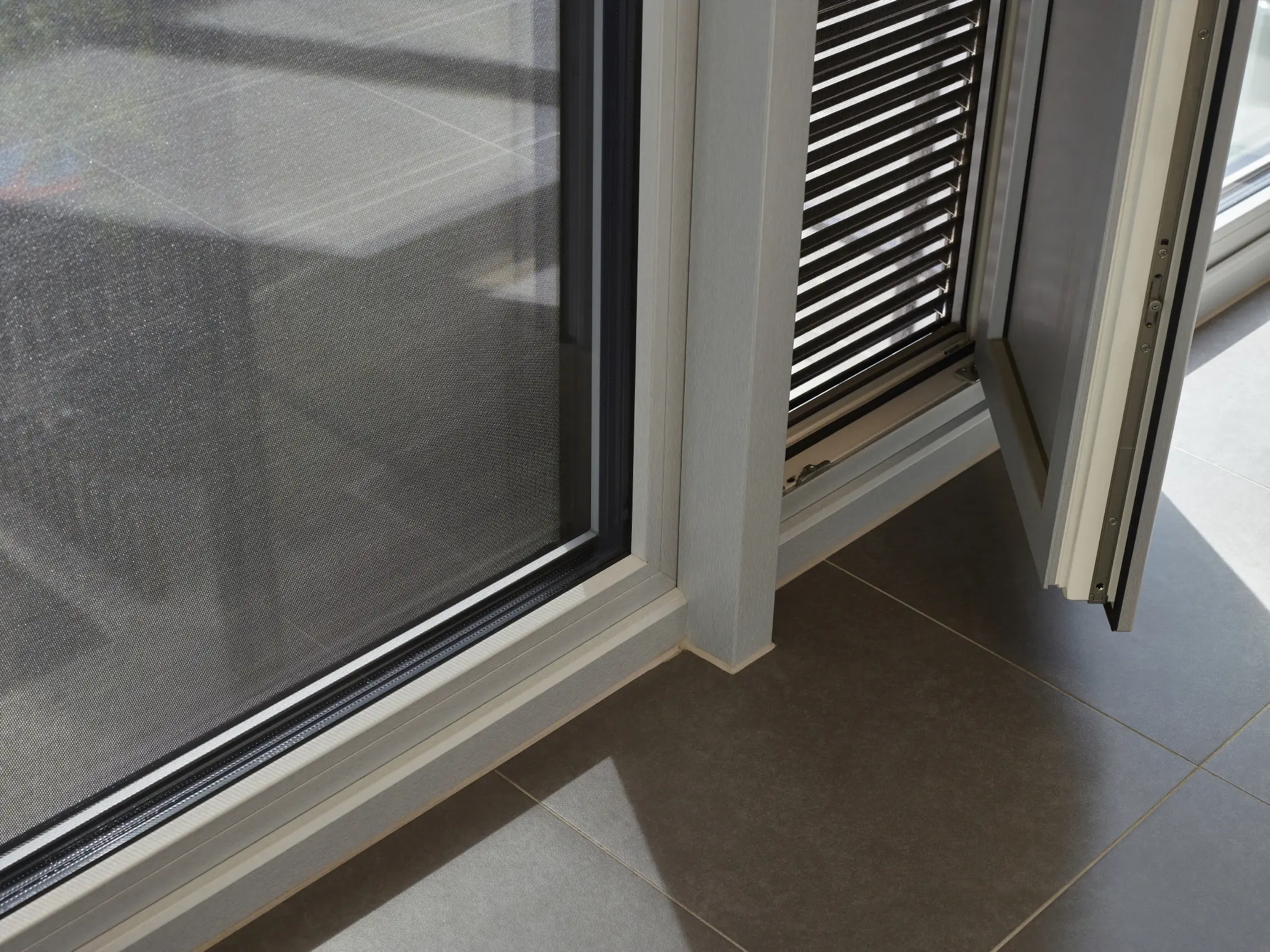
Why Nighttime Ventilation Is Becoming Increasingly Important for Buildings
Long heat waves and extremely hot indoor spaces take a toll on residents and occupants. At the same time, active building cooling creates additional energy demand. That is why preventive summer heat protection is becoming increasingly important. Nighttime ventilation for buildings can be an effective component of such a comprehensive strategy.
The Federal Environment Agency cites intensive nighttime ventilation and external sunshades as particularly effective measures against overheating in the summer. At the same time, the agency points out that individual measures are often insufficient. Therefore, a coordinated combination of shading, heat storage capacity, thermal insulation, internal heat loads, and sufficient nighttime ventilation is crucial.
Nighttime ventilation, therefore, does not automatically replace air conditioning. However, it can reduce the need for active cooling or supplement an existing cooling system if the building, its use, weather conditions, and design are suitable for this purpose.
How does nighttime ventilation work?
During the day, sunlight, people, lighting, and electrical appliances heat the rooms. Solid ceilings and walls absorb some of this heat. As soon as the outside air becomes significantly cooler than the inside air at night, it is drawn into the building through designated openings. At the same time, the heated air must be able to escape through appropriate exhaust vents.
Natural Nighttime Ventilation
In natural nighttime ventilation, air exchange occurs due to wind pressure, temperature differences, and thermal convection. This requires sufficiently large intake and exhaust vents. Their location within the building affects how well air flows through the rooms. Opposite openings can facilitate cross-ventilation. Openings at different heights promote thermal convection.
Mechanically Assisted Night Cooling
If natural pressure differences are insufficient or a specific air change rate is required, fans can be used. An automatic control system can incorporate temperature sensors, weather data, time schedules, and the building management system. The required air volume, pressure losses, and control strategy must be determined during the mechanical, electrical, and plumbing (MEP) design phase.
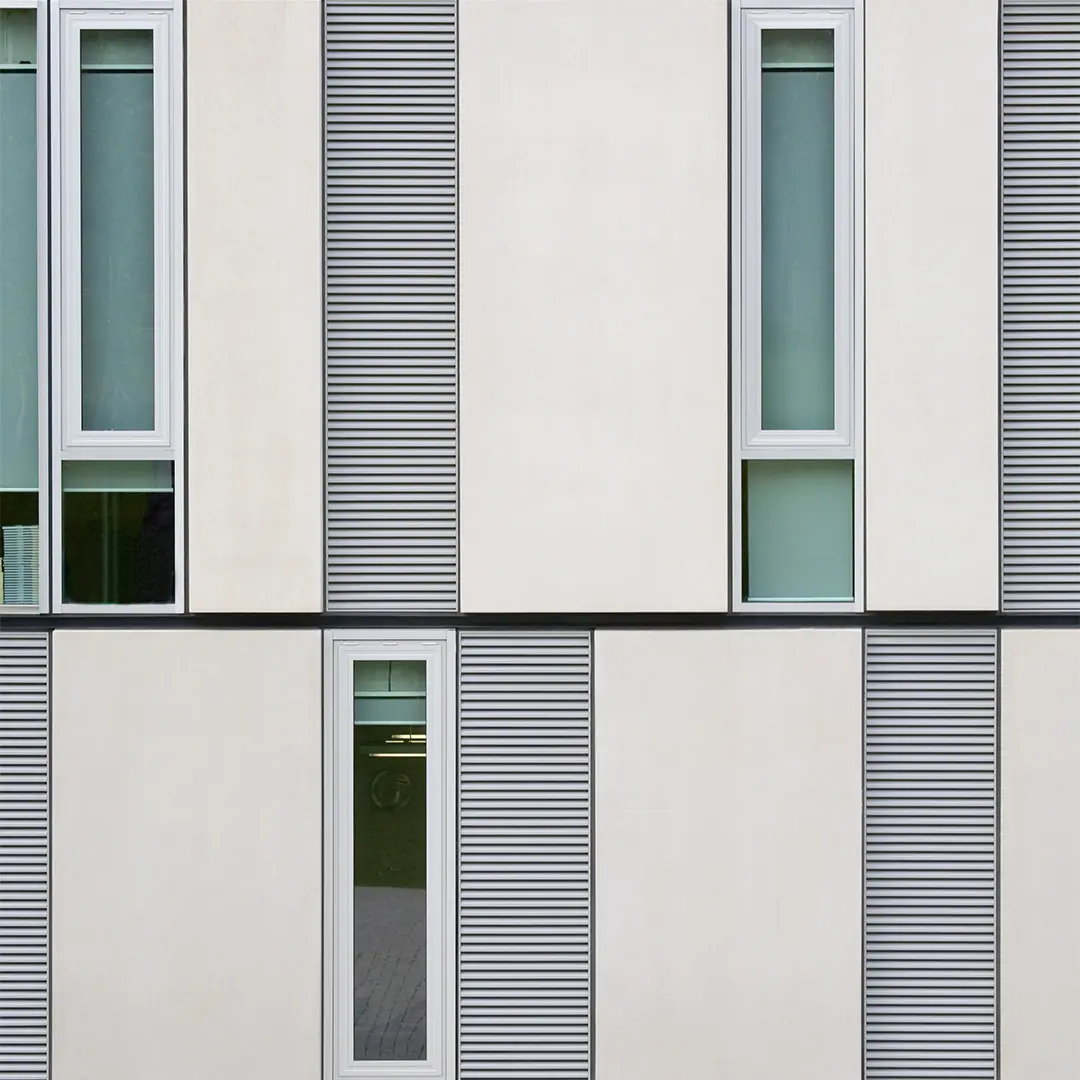
Night Ventilation, Night Cooling, and Night Air Conditioning
These terms are often used interchangeably, but they emphasize different aspects. “Night ventilation” primarily describes the exchange of air that occurs at night. “Night cooling” emphasizes the goal of lowering the room temperature. “Night cooling” particularly vividly describes the process of removing stored heat from the building.
When planning, the desired function is more important than the technical term itself. Is the goal simply to renew the indoor air, or is the goal also to dissipate heat from solid building components? What indoor temperatures are the targets? How long will suitable outdoor temperatures be available? Only based on this information can the air volume, opening area, and control system be determined.
Which buildings are suitable for nighttime ventilation?
In general, nighttime ventilation can be a viable option for buildings with various uses. Buildings with usable thermal mass and clearly definable airflow paths offer particularly favorable conditions. Nevertheless, each building must be considered on a case-by-case basis.
Residential Buildings and Apartment Buildings
In residential buildings, nighttime ventilation can improve comfort during the summer. However, open windows are not always a suitable long-term solution. Traffic noise, driving rain, insects, the risk of break-ins, and the absence of residents can all be reasons not to do so. Permanently installed ventilation openings with appropriate protective features provide a more controllable solution.
Office Buildings and Administrative Buildings
Offices often have high internal heat loads due to people, lighting, computers, and other equipment. Because the rooms are usually unoccupied at night, nighttime cooling can be carried out specifically outside of business hours. An automatic control system is often useful in this context.
For office buildings, nighttime ventilation and shading should be planned together. Our article on this topic explains the applicable requirements: Sunshade louvers for office buildings.
Schools and Preschools
Educational institutions need secure and durable ventilation openings because nighttime cooling takes place outside of operating hours. Our technical article on the subject provides detailed information about Nighttime Cooling for Schools and Preschools.
Utility Buildings and Data Centers
In technical buildings, the focus is on high heat loads, operational safety, and defined airflow rates. Furthermore, ventilation openings must not become weak points in the building envelope. The contribution to Nighttime Cooling in Data Centers discusses these requirements in detail.
Ventilation grille for safe nighttime ventilation
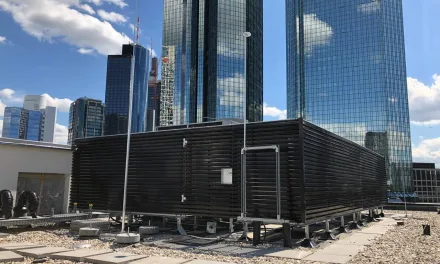
Open ventilation ducts must allow air to pass through while also fitting the specific installation situation. For this reason, a ventilation grille should not be selected based solely on its appearance. Key design parameters include the clear cross-sectional area, pressure drop, rain protection, installation depth, mounting method, and the intended protective function.
Airflow and Pressure Drop
The physical free cross-sectional area provides an initial indication of a grille’s open area. However, this value alone is not sufficient for mechanical, electrical, and plumbing (MEP) design. The actual airflow also depends on the louvre geometry, airflow conditions, insect screens, dimensions, and pressure differential. Therefore, current product data and project-specific calculations must be taken into account.
Weather Protection and Rain Protection
An outside air vent is exposed to wind and precipitation. Depending on the facade’s location, which side faces the weather, and the level of protection required, a certified weather protection grille may be necessary. Testing in accordance with DIN EN 13030 allows for a comparable assessment of rain resistance under defined conditions. You can learn more about this in the article on Ventilation Grilles and Water Tightness According to DIN EN 13030.
Insect Protection and Access for Cleaning
An insect screen can make it more difficult for larger insects and small animals to get inside. At the same time, any additional fabric affects airflow and can become dirty from dust or pollen. Therefore, the material, mesh size, and ease of cleaning must be taken into account during the planning phase.
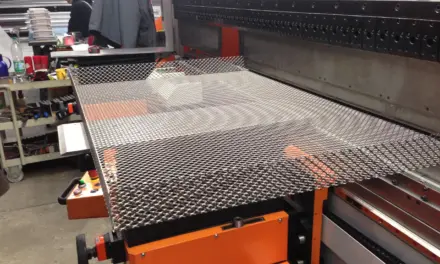
Burglary-resistant ventilation grilles for unattended openings
Nighttime ventilation often occurs when a building is empty or only partially occupied. Therefore, especially on the ground floor and on accessible facades, designers must determine whether the ventilation opening requires increased mechanical resistance.
A burglar-resistant ventilation grille can be part of a security plan. In this case, the required resistance class must be clearly specified. In addition, the grille, fasteners, substructure, and building connection must be compatible. A certified individual component does not automatically make the entire facade burglar-resistant.
rotec also manufactures custom ventilation grilles for projects with heightened safety requirements. The specific selection is based on the required resistance class, the opening size, the airflow capacity, and the installation conditions.
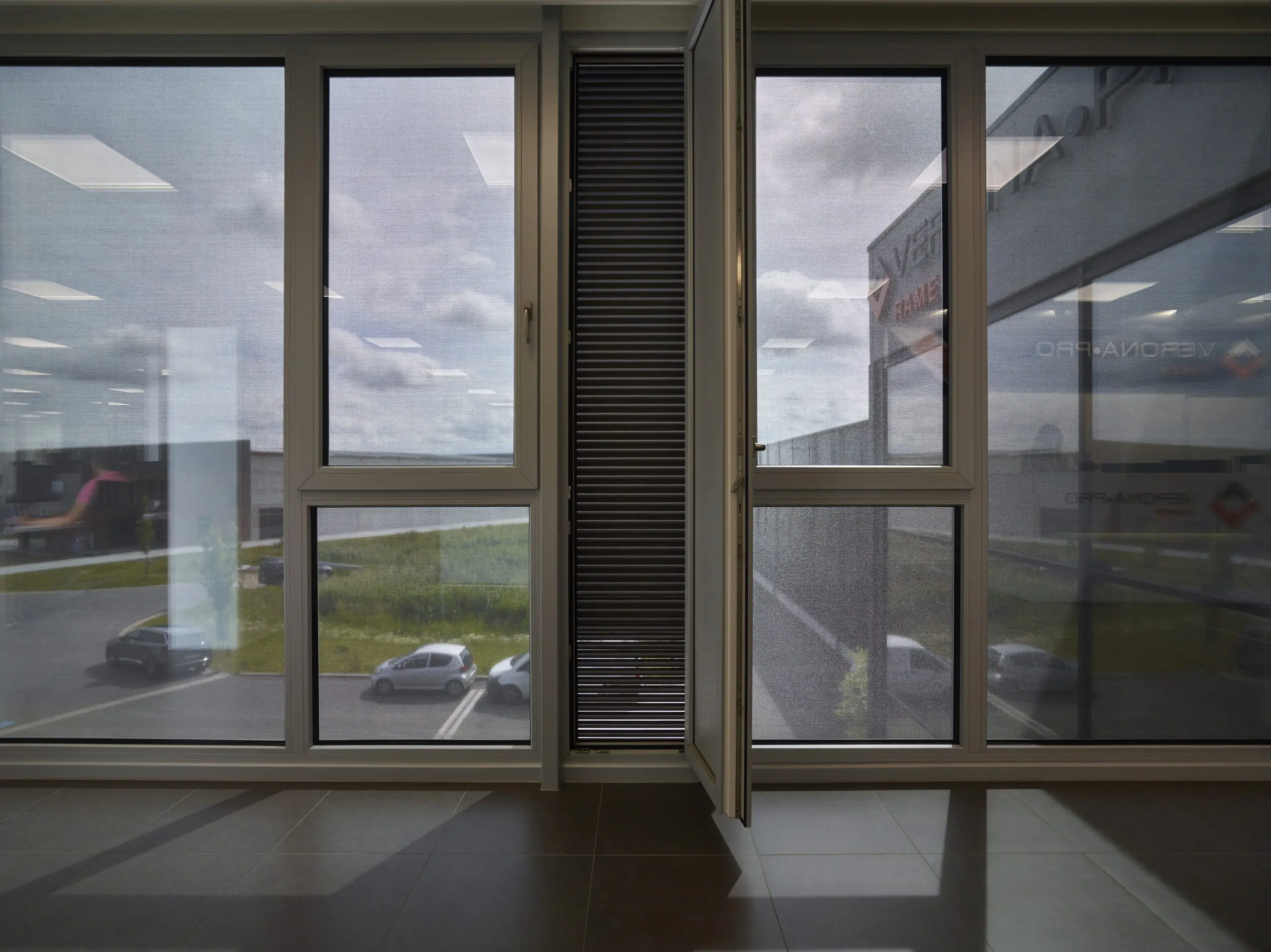
Combine Nighttime Ventilation with Sun Protection
Nighttime ventilation in buildings is most effective when as little additional heat as possible enters during the day. Exterior sunshades reduce direct solar radiation even before it reaches the glazing. As a result, less heat needs to be removed at night.
Internal heat loads should also be taken into account. Efficient lighting, appliances operated according to need, and sensible usage control support the overall concept. Solid, freely accessible ceilings and walls can also absorb heat and release it back into the cooler air during the night.
Take noise, wind, and weather conditions into account early on
Night ventilation openings should not be considered in isolation. In densely built-up areas, traffic noise can enter the building through open ventilation ducts. Conversely, fans and mechanical systems can transmit noise to the outside. When sound insulation is required, acoustic and aerodynamic requirements must be planned together.
Wind pressure and driving rain also affect the design. Significantly higher loads can occur, particularly on tall buildings or exposed facades. For this reason, the fasteners, substructure, and slat system must be designed specifically for each project.
Designing a Nighttime Ventilation System for Buildings
Effective nighttime cooling begins with a clear planning framework. For the selection and design of the ventilation grilles, rotec requires the following information in particular:
- Building Use and Intended Function of Night Ventilation
- Required supply and exhaust air volumes
- Dimensions and Location of the Planned Openings
- Installation Configuration, Wall Construction, and Connection Details
- Required weather protection and potential weather-exposed side
- Requirements for Burglary Resistance and Access Control
- Requirements for Sound Insulation and Insect Screens
- Desired finish and RAL color
- Requirements for Cleaning, Inspection, and Maintenance Access
Based on this information, rotec can recommend a suitable design. You can find an overview of available designs on the rotec product page for Ventilation grille and weather protection grille. The article on the Redec W11 and Renson 411 Ventilation Grilles.
Project-Based Manufacturing by rotec Berlin
rotec manufactures ventilation grilles and louver systems on a project-by-project basis at its Berlin facility. Dimensions, frames, partitions, fasteners, and finishes are tailored to the specific installation requirements. Depending on the order, rotec provides support ranging from consultation and clarification of details through manufacturing to installation.
The long-standing partnership with Renson expands the selection of proven louver profiles and system components. At the same time, design flexibility is maintained. This allows architects, MEP engineers, and facade contractors to combine functional ventilation openings with a uniform facade appearance.

Image credit: All images shown in this post are original photographs. Some of the photos were provided by Renson. The images were not generated or edited using AI.
Conclusion: Nighttime ventilation as part of summer heat protection
Nighttime ventilation for buildings can dissipate summer heat with relatively little energy consumption. However, its effectiveness depends on the temperature difference, air exchange rate, airflow paths, building mass, and the overall thermal insulation design. Therefore, nighttime cooling should be coordinated early on with the architectural design, building physics, building services engineering, and facade design.
Appropriate ventilation grilles ensure that the necessary openings can be designed to be functional, weather-resistant, and, if required, burglar-resistant. rotec combines technical consulting, project-specific metal fabrication, and many years of experience with ventilation grilles and louver systems.
Plan Nighttime Ventilation for Your Project
Are you planning natural or mechanically assisted nighttime ventilation? Send us drawings, opening dimensions, airflow rates, and your requirements for weather protection, burglary protection, insect protection, or sound insulation. rotec will review the design and develop a suitable solution for the building envelope.
Frequently Asked Questions About Nighttime Ventilation for Buildings
What is night ventilation?
Night ventilation uses cooler outside air to remove warm indoor air and dissipate heat from heated building components. It is also called night cooling or nighttime cooling.
Does nighttime ventilation save energy?
It can reduce the need for active cooling or supplement an existing cooling system. The actual savings depend on the building, the climate, the building's use, and the control system.
When does nighttime cooling work especially well?
Favorable conditions include sufficiently cool nights, large usable ventilation cross-sections, clear air pathways, and accessible thermal mass such as solid ceilings and walls.
Can nighttime ventilation replace an air conditioner?
There is no one-size-fits-all answer to this. In suitable buildings, it can eliminate the need for active cooling, either partially or completely. However, additional cooling may still be necessary during periods of high heat loads or on warm nights.
How large do the ventilation openings need to be?
The required size is determined by the air volume, pressure drop, ventilation design, and installation conditions. These values are specified by the responsible building services engineering or building physics design team.
Which ventilation grilles are suitable for nighttime ventilation?
The selection depends on airflow, weather resistance, installation orientation, mounting, insect protection, sound insulation, and safety requirements. Therefore, a project-specific selection is necessary.
How are nighttime ventilation openings protected against break-ins?
Burglar-resistant ventilation grilles can be installed in accessible openings. The resistance class, fastening, and building connection must be designed as a coordinated system.
Does a nighttime ventilation system require an insect screen?
An insect screen is often a good idea. However, the mesh affects airflow and must remain accessible for cleaning.
Can nighttime ventilation be controlled automatically?
Yes. Temperature sensors, weather data, time-based schedules, and the building management system can control dampers and fans as needed. Planning and programming are part of the building services engineering.
Who designs and manufactures the ventilation grilles?
Technical planning defines airflow rates and functions. rotec provides support with the selection, design, custom manufacturing, and, upon request, installation of ventilation grilles.
What is night ventilation?
Night ventilation is a system that directs cooler outside air into your home to lower the indoor temperature. Especially during the hot summer months, this can make a significant difference. Lowering the temperature by a few degrees will improve your sleep and increase the overall quality of life.
Why is night ventilation important?
Energy efficiency
1. unlike traditional air conditioners that consume a lot of energy, night ventilation is a sustainable alternative.
- Health**: Cold air currents from air conditioners can cause health problems. Night ventilation uses natural air currents and improves air quality.
- Security and design**: The special grilles for night ventilation are not only burglar-proof, but also aesthetically pleasing and easy to integrate into any facade.
Burglar-resistant ventilation grilles and rotec
Particularly noteworthy are the burglar-resistant ventilation grilles, which are ideal for night cooling. As a premium partner of Renson for over 20 years, rotec has extensive experience in this field - from consulting and fabrication to installation. In addition, rotec is certified according to DIN EN ISO 9001:2015, which underlines the quality and reliability of its products and services.
Additional advantages
- Improved air quality
- Insect protection due to special mesh
- Minimal maintenance effort
Combination with other systems
If you already have a mechanical ventilation system, night ventilation can be easily integrated to increase efficiency. In addition, the combination with external sun protection such as vertical awnings can further increase the efficiency of night ventilation.
Maintenance
Maintenance of the night ventilation is minimal. Once a year, the grilles should be dusted and cleaned to ensure optimal airflow.
Conclusion
Night ventilation is an excellent way to keep your home cool without driving up energy costs. With products from Renson®, a company with over 50 years of experience, you're on the safe side. And with rotec as your trusted and certified partner, you can be sure you're getting the best solution for your needs.

 EN
 DE
 ES
 FR
 IT
 NL
 PL
 TR
Thank you for this valuable contribution!