

Custom-Made Weather Protection Grilles and Ventilation Grilles They combine controlled airflow, protection from the elements, and a design that blends seamlessly with the architecture. rotec designs and manufactures custom solutions in Berlin and, depending on the construction project, also handles on-site installation. The original photos in this article show completed rotec projects on facades, roofs, and technical systems.
The most important thing to keep in mind when planning:
- The required air flow rate and the pressure drop determine the required free area.
- Rain protection, installation orientation, wind loads, and potential driving rain loads must be considered together.
- The material, surface, substructure, fastening, and maintenance access must be coordinated at an early stage.
- For more demanding requirements, options include insect screens, water drainage, sound insulation, and burglar-resistant designs, among others.
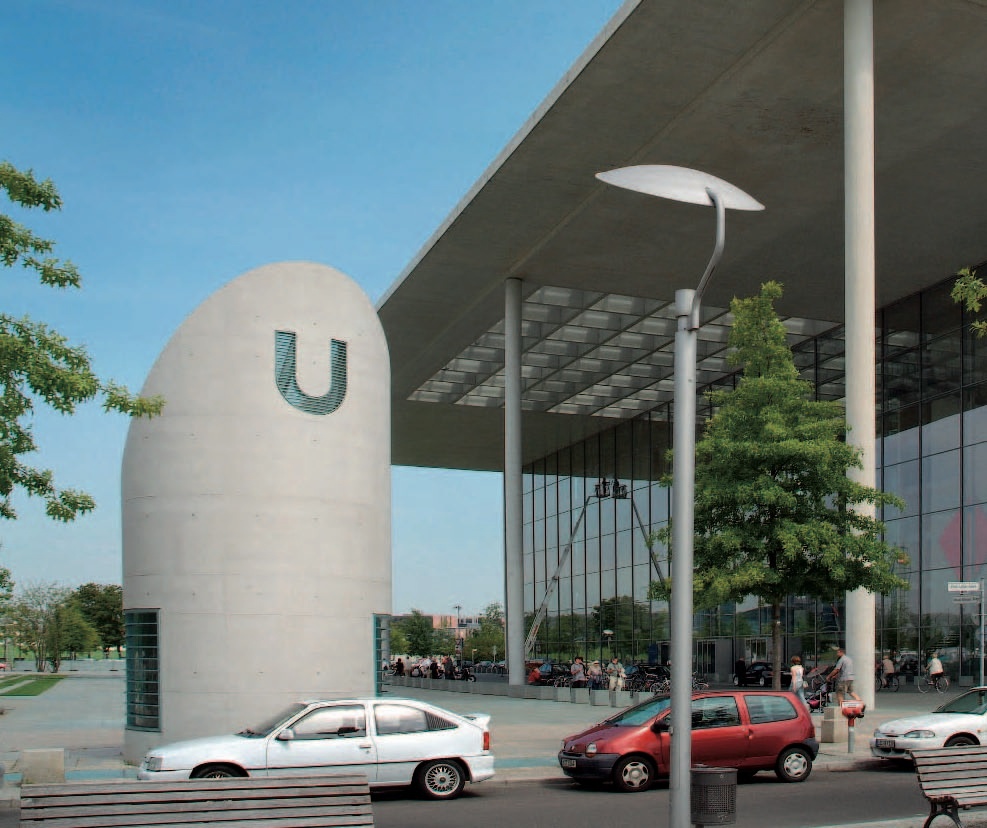
Weather protection grilles at what is now the Uber Arena in Berlin
The cover photo shows a Rotec archive image of the then O2 World in Berlin. The weather protection grilles integrated into the facade were installed by rotec. During the subsequent redesign of the facade, the existing grilles were repainted and incorporated into the updated design.
According to the operator, the multipurpose hall was built on September 10, 2008 opened. From 2008 to 2015, it was known as the O2 World, and subsequently as the Mercedes-Benz Arena. Since March 22, 2024, the building has been called About Arena. The varying facade designs highlight an important advantage of coated metal grilles: a technically functional solution can be visually adapted to a new color and branding concept. Further details on the history and use are published by the Uber Arena on its official website.
Note on Image Authenticity: All project images on this page are original photographs taken by rotec and were not generated or edited using AI.
What is the difference between a weatherproof grille and a ventilation grille?
These terms are often used interchangeably in everyday language, but they describe different planning priorities. A Ventilation grille channels supply or exhaust air through an opening and, depending on the model, also protects it from animals, foreign objects, or unauthorized access. A Weather protection grille features a slat design that minimizes rain penetration as much as possible while still allowing for the necessary airflow.
How well a grille fulfills both functions does not depend solely on its size. Key factors include the shape of the slats, the depth of the unit, the clear cross-sectional area, air velocity, pressure loss, installation conditions, and exposure to driving rain. For projects with specific requirements for rain protection, our technical article on Water Tightness of Ventilation Grilles According to DIN EN 13030 A detailed planning guide.
Sizing Weather Protection Grilles Correctly
Good planning does not begin with the external dimensions of the grille, but with the requirements of the ventilation system and the structural opening. The physically clear cross-sectional area is particularly important. It is smaller than the visible opening area because the louvers, frame, and additional components occupy part of the area. As air velocity increases, pressure loss, flow noise, and the risk of water ingress generally increase.
rotec needs this information to make a sound selection
- Width and height of the existing or planned opening
- Supply or exhaust air, as well as the required air flow rate
- Permissible pressure drop and desired free cross-sectional area
- Installation location, installation orientation, and expected weather exposure
- Desired material and surface system
- Requirements for insect screens, water drainage, sound insulation, or burglary resistance
- Information on the substructure, fastening, and accessibility
Materials and Finishes for Custom Ventilation Grilles
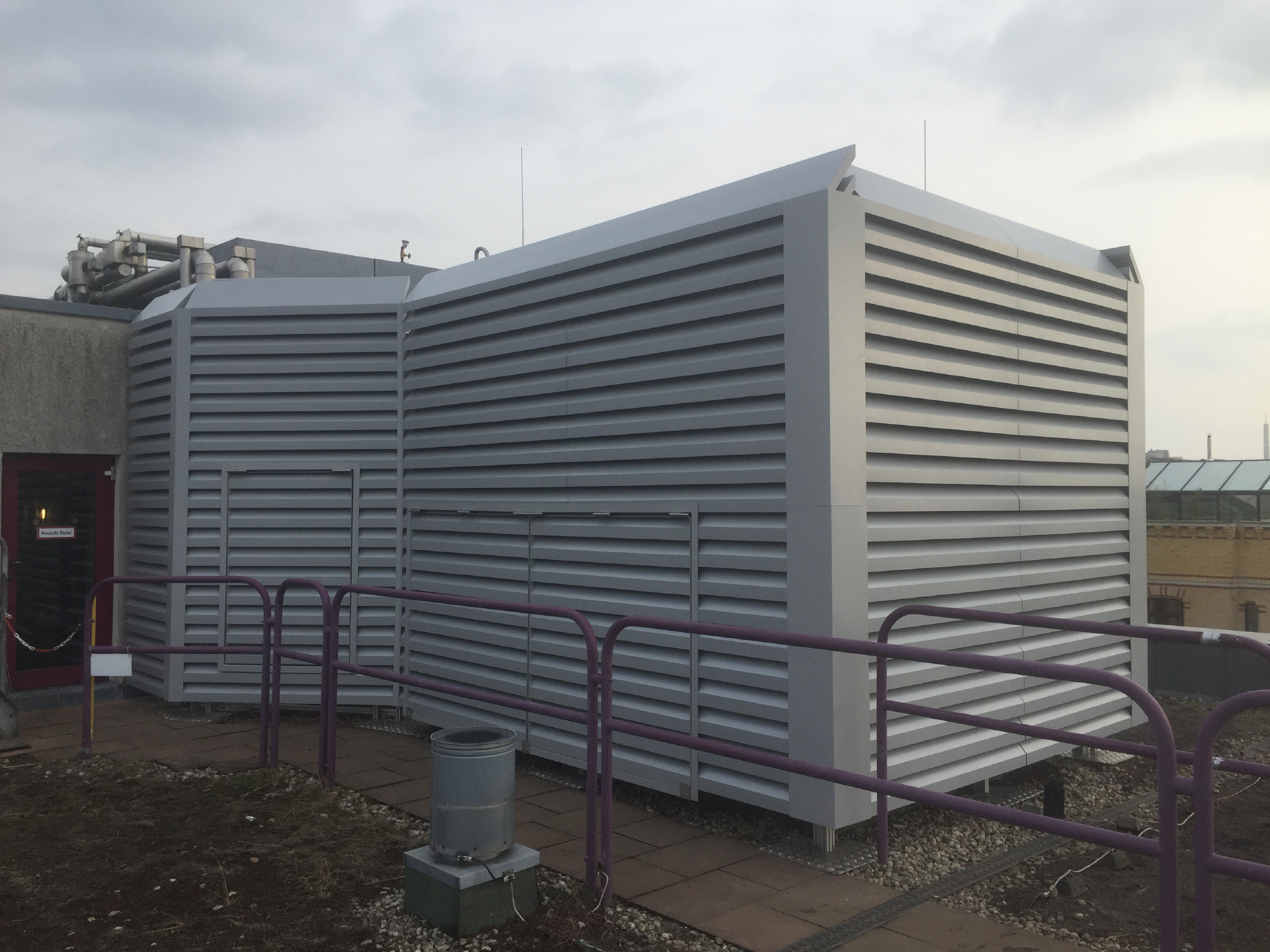
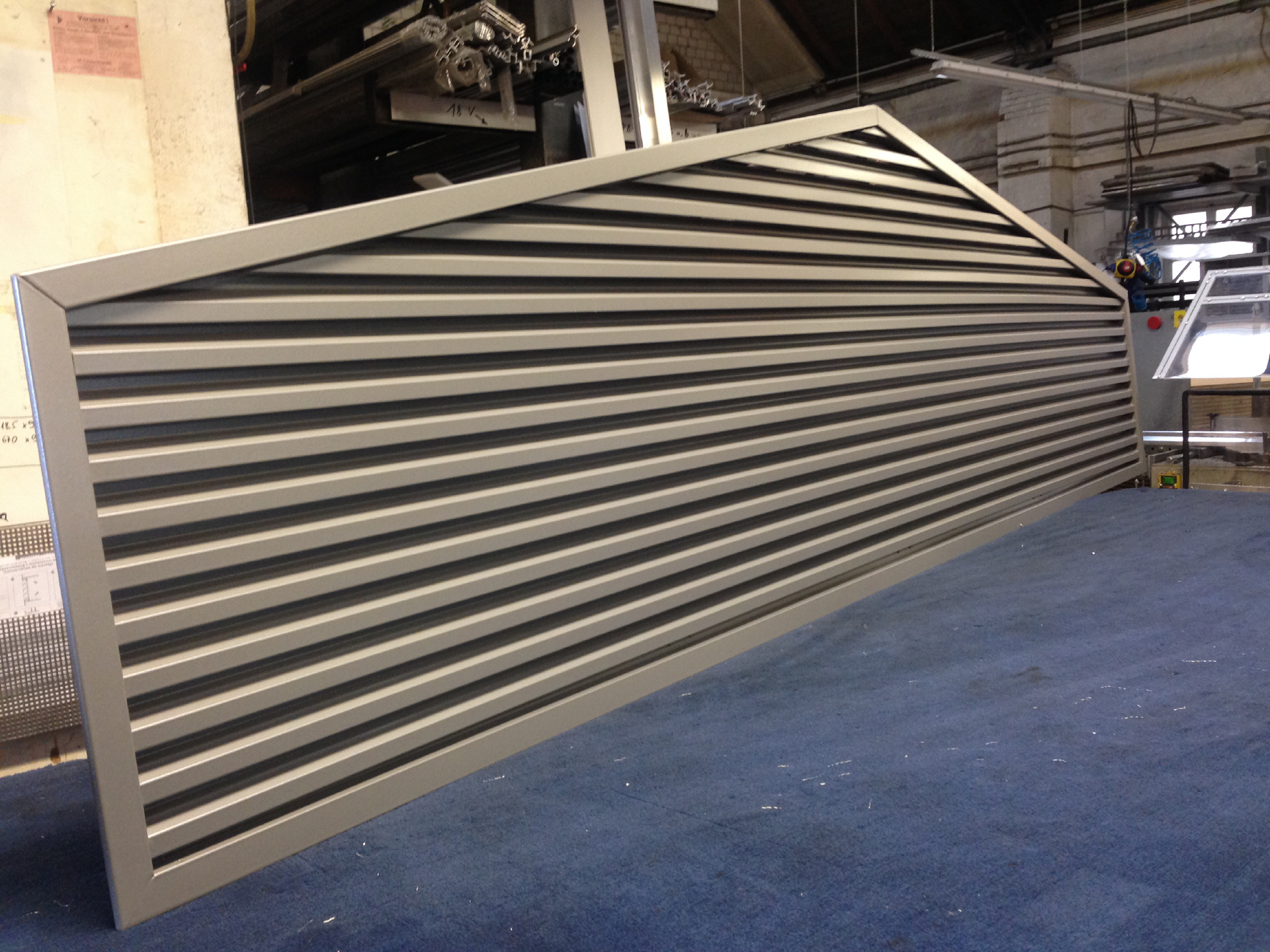
rotec uses aluminum profiles for many facade and technical projects. Aluminum is relatively lightweight, corrosion-resistant, and can be finished in a variety of surface treatments. Depending on the type of grille, anodized surfaces or powder coatings in RAL colors are available. This allows weather protection grilles to be color-matched to facade cladding, roof structures, or a building’s corporate design.
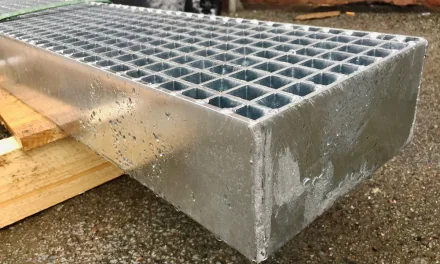
In addition, rotec manufactures and supplies models made of galvanized steel and stainless steel. The appropriate choice of material and surface finish depends on the application, environmental conditions, mechanical stress, and desired design. An example from the standard product line is the rotec W11 Ventilation and Weather Protection Grille Made of extruded aluminum profiles, it is available with a stainless steel insect screen and an optional water drainage channel, depending on the model.
Typical Applications of Weather Protection and Ventilation Grilles
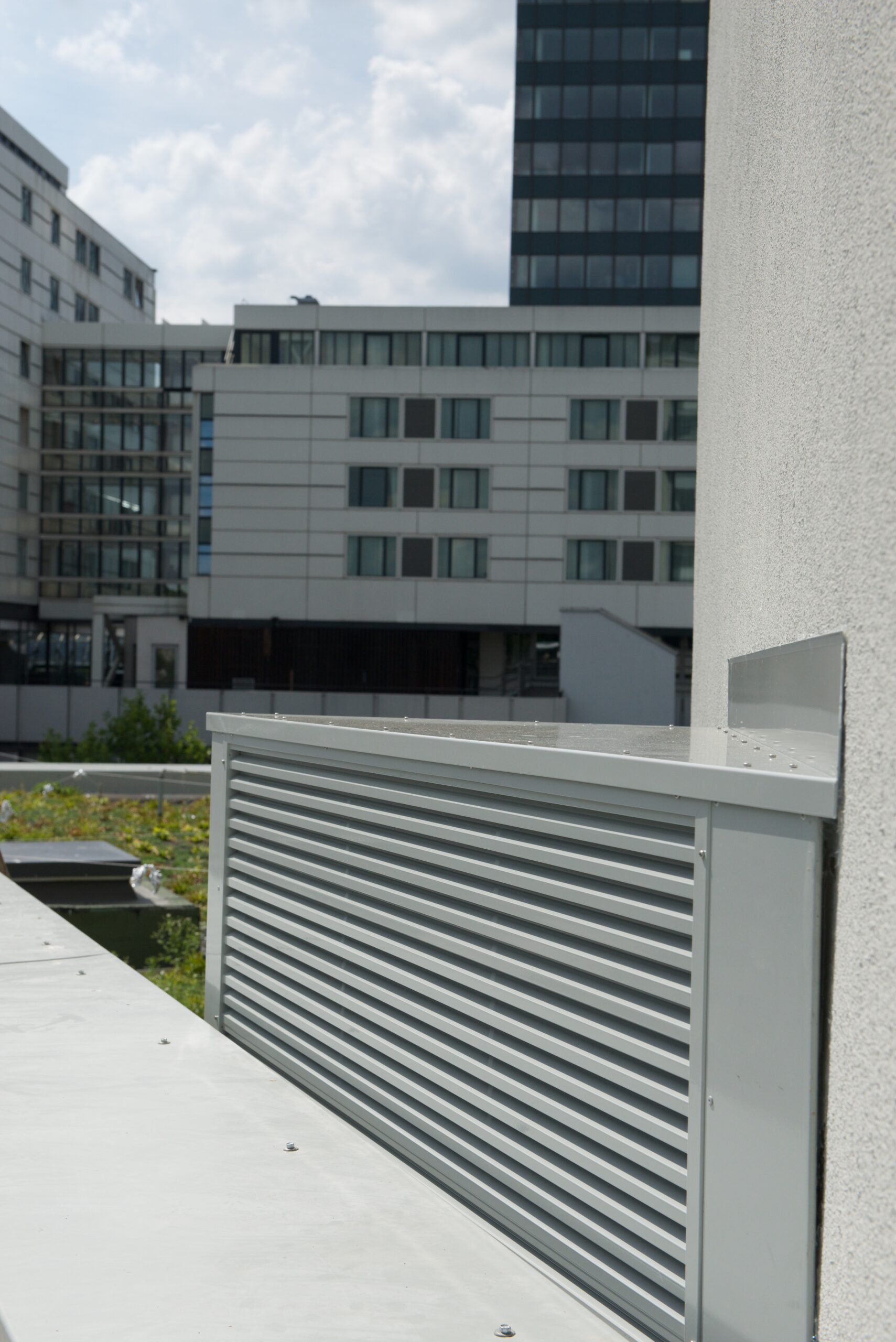
Depending on the construction project, the grids are designed as individual elements, as larger grid panels, or as part of a continuous louvered facade. Typical applications include:
- Supply and Exhaust Air Openings in Commercial and Industrial Buildings
- Technical centers and enclosures on rooftops
- Underground parking garages and naturally ventilated parking structures
- Data centers, substations, and machine rooms
- Ventilation Hoods and Custom Designs
- Facades in which technology and architecture are intended to create a unified appearance
For large-format solutions, wind loads, spans, and a structurally suitable substructure must be taken into account on a project-by-project basis. The article provides a general overview of the interplay between ventilation, weather protection, and sound insulation. System Solutions for the Building Envelope.
Custom-Made Instead of Compromise
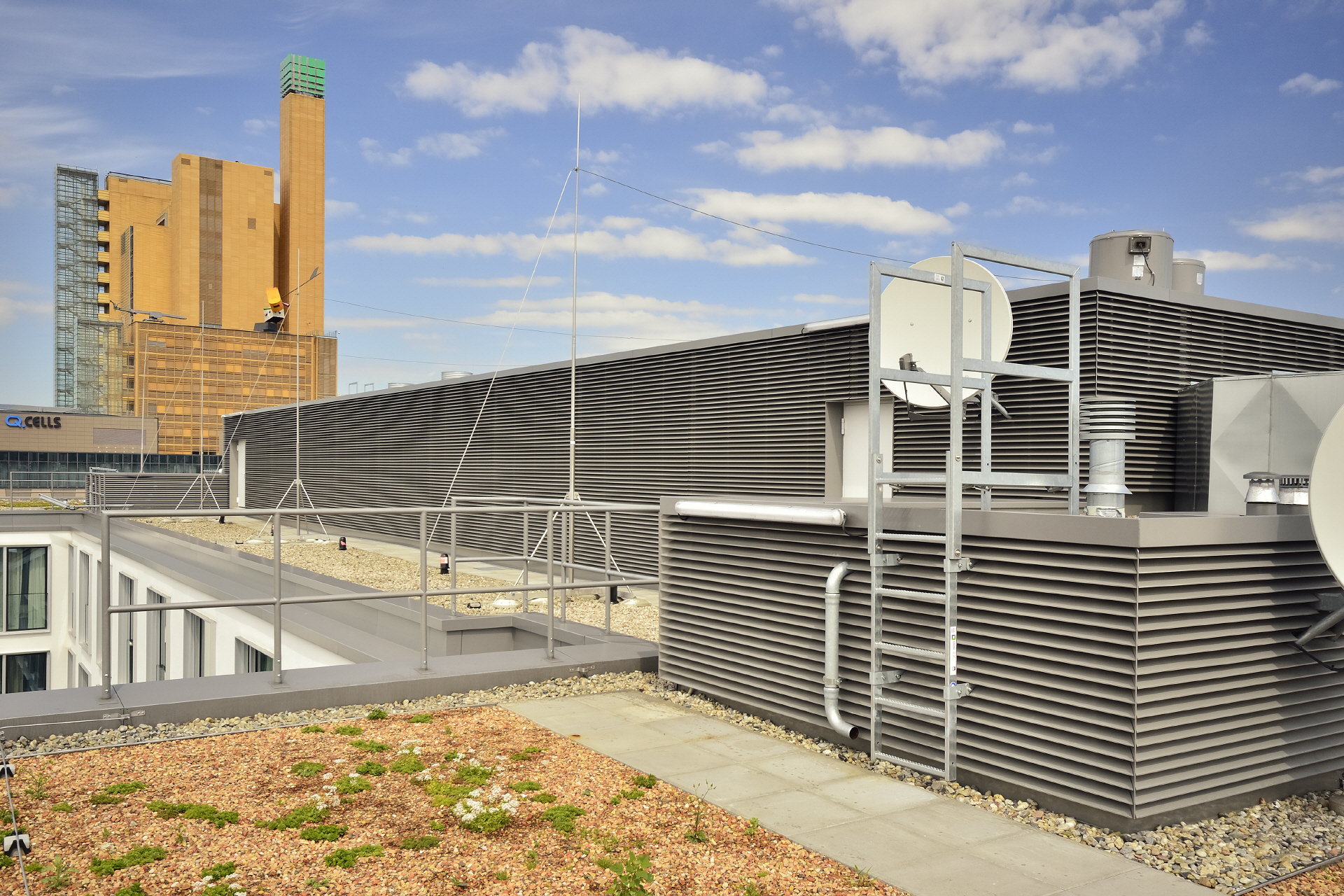
Standard dimensions are suitable for many straightforward installation situations. However, for facade grids, high airflow rates, round openings, special mounting frames, or complex connection details, a custom-made solution is often more cost-effective and technically sound. rotec tailors the dimensions, frames, louvers, surface finish, and mounting to the specific project.
For curved facades and rounded structures, our project report on Curved Linius slats at the Galapagos Leiden project, such as how ventilation and architectural form can be combined.
Designers, metal fabricators, and plant engineers can select from numerous types of grating directly in the rotec Online Configurator for Ventilation and Weather Protection Grilles Select and customize to your specifications. For custom designs, we recommend direct technical consultation. If short lead times are a priority, you’ll find additional information in the article Custom-Made Ventilation Grilles and Express Production.
Manufacturing and assembly by rotec Berlin
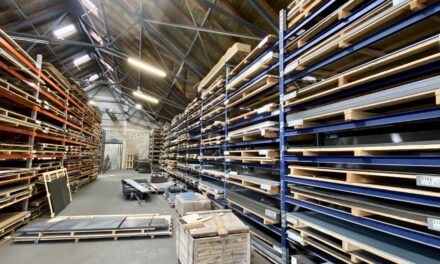
rotec has more than four decades of experience in metalworking and metal fabrication. Its manufacturing facility in Berlin enables quick communication and project-specific adjustments. Depending on the order, services range from consulting and design to custom manufacturing and surface finishing, all the way through to on-site installation.
For roof and facade projects, we don’t just focus on the individual grating. Connection details, the substructure, drainage, maintenance options, and the overall design are equally important. You can find examples of such solutions in our project reports on Roof Enclosures for Air Conditioning Units in Frankfurt and to the Soundproofing louvers on a high-rise building in Berlin City West.

Plan Weather Protection Grilles for Your Project
Do you need a custom-made ventilation grille, a larger louver area, or a completely custom design? Send us the opening dimensions, installation details, airflow rate, desired finish, and any existing drawings. rotec will review your requirements and help you select the right solution.
Frequently Asked Questions About Weather Protection Grilles and Ventilation Grilles
What is the difference between a weatherproof grille and a ventilation grille?
A ventilation grille is primarily used for controlled air intake or exhaust. A weather protection grille combines this airflow with a louver design that reduces the ingress of rain. Its exact suitability depends on the grille type, air velocity, and installation conditions.
What information is needed for a custom-made ventilation grille?
At a minimum, we need the width, height, installation configuration, and desired finish. For technical design purposes, the air flow rate, permissible pressure drop, supply or exhaust air, exposure to weather conditions, and desired additional functions are also important.
How is the rain protection provided by a weatherproof grille evaluated?
Factors relevant to a technical assessment include, among others, louvre geometry, free area, air velocity, installation orientation, and the results of appropriate tests. DIN EN 13030 describes a test method for ventilation grilles under simulated rain conditions.
What types of finishes are available?
Depending on the grating type, options include anodized aluminum surfaces and powder coatings in RAL colors. Galvanized steel and stainless steel versions round out the product line for special operating conditions.
Can the color of existing weather protection grilles be changed?
This may be possible depending on the material, the existing coating, and the condition of the surface. Before applying a new coating, the substrate, pretreatment, and desired coating system must be professionally evaluated. The redesign of the current Uber Arena demonstrates how existing grilles can be integrated into a new facade concept.
Does rotec also offer soundproof and safety models?
Yes. Depending on the requirements, options include sound-insulating, burglar-resistant, and tamper-proof models, among others. The selection is based on the specific protection and ventilation objectives.
Does rotec also handle installation?
Yes. In addition to consulting and manufacturing, rotec can also handle the installation of ventilation grilles, weather protection grilles, and related structures, depending on the project.



 EN
 DE
 ES
 FR
 IT
 NL
 PL
 TR